
 Chumasande Matiwane
Orchids are admired for their elegant blooms and long-lasting beauty, but keeping them healthy requires more than occasional watering. One of the most important aspects of orchid care is repotting.
While many gardeners hesitate to disturb their plants, repotting at the right time encourages healthier roots, better growth, and more vibrant flowers.
Understanding the essential dos and don’ts can help ensure your orchid thrives for years to come.
When to repot
The ideal time to repot an orchid is after it has finished flowering and new root growth begins. Most orchids benefit from repotting every one to two years. Signs that it’s time to repot include:
- Roots growing over the edge of the pot.
- Potting mix breaking down into small particles.
- Poor drainage or waterlogged media.
- Yellowing leaves or declining plant health.
- Overcrowded roots with little room to grow.
Dos of repotting orchids
Select the right pot
Select a pot with plenty of drainage holes. Clear plastic orchid pots are an excellent choice because they allow you to monitor root health and moisture levels while letting light reach the roots of certain orchid varieties.
Always use the right orchid potting mix
Never use regular garden soil. Orchids require a coarse, well-draining mix made from materials such as bark chips, sphagnum moss, charcoal, coconut husk, or perlite. The correct mix provides both moisture retention and airflow.
Trim the roots
Carefully remove the orchid from its old pot and gently shake away the old growing medium. Examine the roots and trim away any that are soft, brown, hollow, or dead using sterilised scissors. Healthy roots should be firm and green or silvery white.
Position your orchids properly
Place the orchid so the crown sits just above the potting medium. Spread the roots naturally and gently fill around them with fresh mix without packing it too tightly.
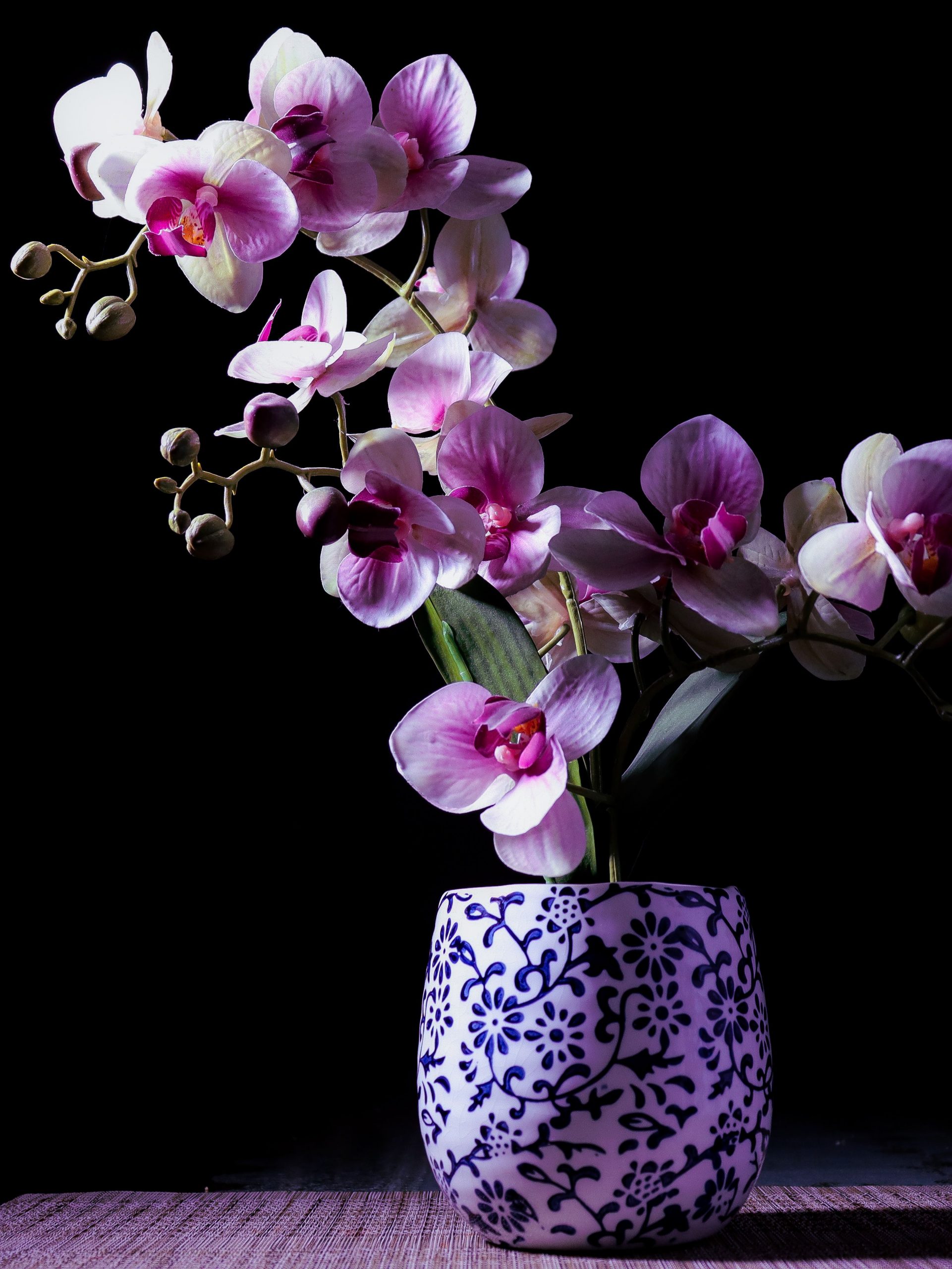
Image Credit: Pexels
Don’ts of repotting orchids
Don’t repot during peak bloom
Repotting while an orchid is in full bloom can stress the plant and may cause flowers or buds to drop prematurely. Whenever possible, wait until flowering has finished.
Don’t use ordinary potting soil
Standard potting soil holds too much moisture, limiting airflow and encouraging root rot. Orchids need a specialised growing medium designed for their unique root systems.
Don’t oversize the pot
Choosing a pot that is much larger than the root system can cause the growing medium to remain wet for too long, increasing the likelihood of root diseases. Select a pot only slightly larger than the existing root mass.
Don’t pack the potting mix too firmly
Compressing the growing medium reduces airflow around the roots. Fill the pot loosely so air can circulate freely while still providing support for the plant.
Don’t ignore signs of stress
After repotting, monitor your orchid closely. Temporary adjustment is normal, but persistent wilting, yellowing leaves, or mushy roots may indicate watering or drainage issues that need attention.
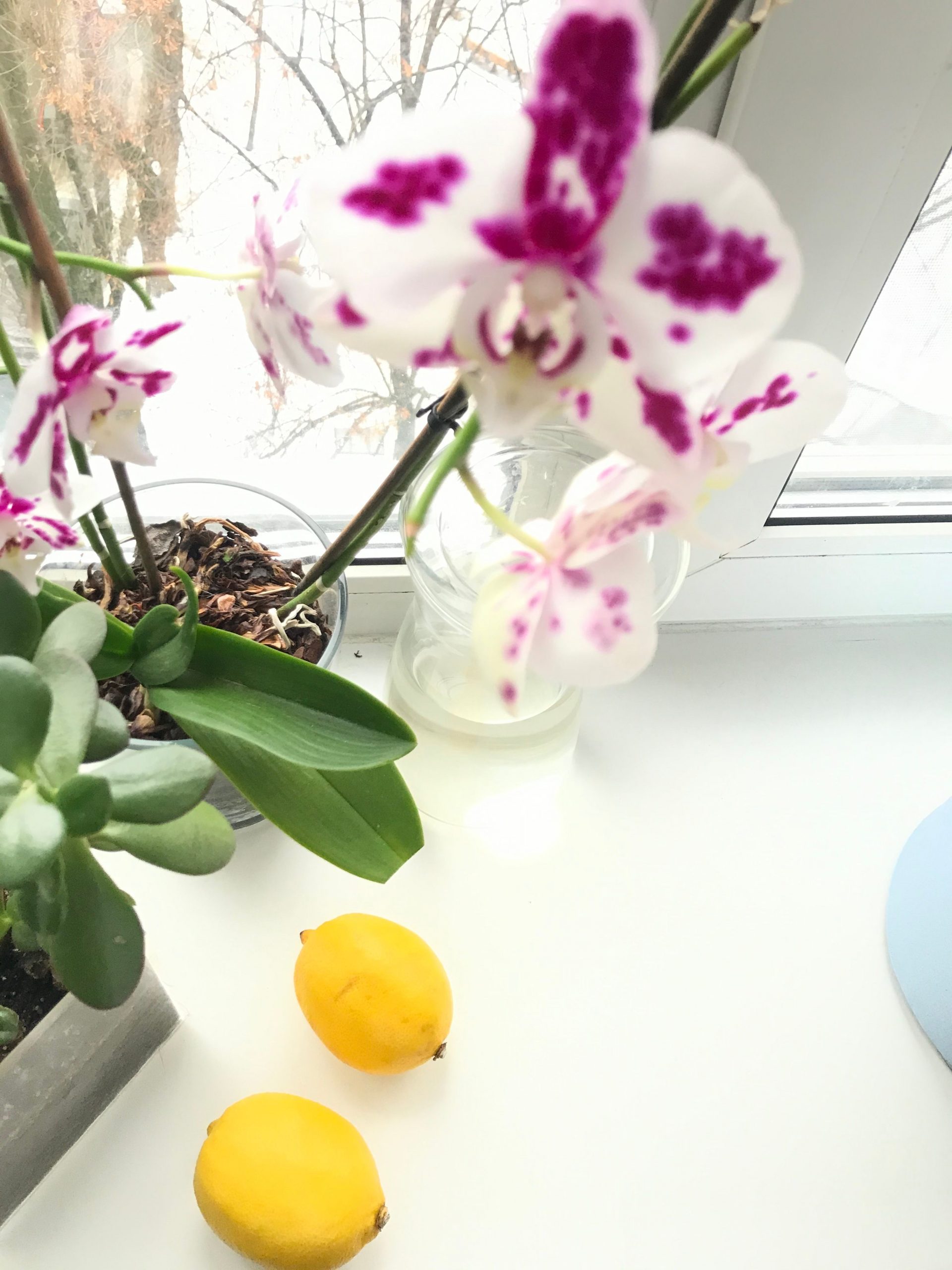
Image Credit: pEXELS
With regular maintenance and patience, your orchid will reward you with years of beautiful flowers and vigorous growth.
ALSO SEE:
Feature Image: Pexels
