
 Chumasande Matiwane
Planting your vegetables once and harvesting them for years to come is the beauty of a perennial vegetable garden.
Unlike annual vegetables that need to be replanted each season, perennial vegetables continue to grow year after year, saving time, reducing costs, and creating a more sustainable garden.
Whether you have a large backyard or a small corner of your garden, a perennial veggie patch can provide fresh, nutritious produce with minimal maintenance.
What is a perennial vegetable?
Perennial vegetables are the plants that live and produce in your garden for many years to come. After becoming established, they return each growing season without the need for replanting. Many also develop stronger root systems over time, making them more resilient to drought and changing weather conditions.
Some popular perennial vegetables include:
- Asparagus
- Rhubarb
- Onions
- Chives
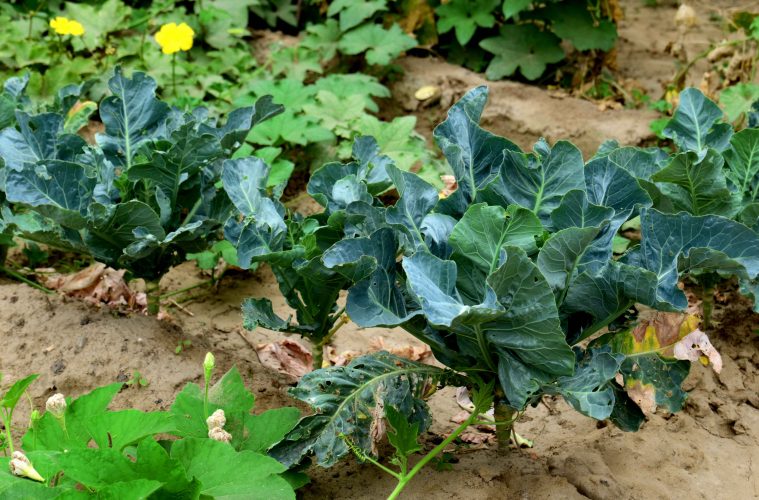
- Kale
Many herbs are also perennial and fit perfectly into the long-term edible perennial garden.
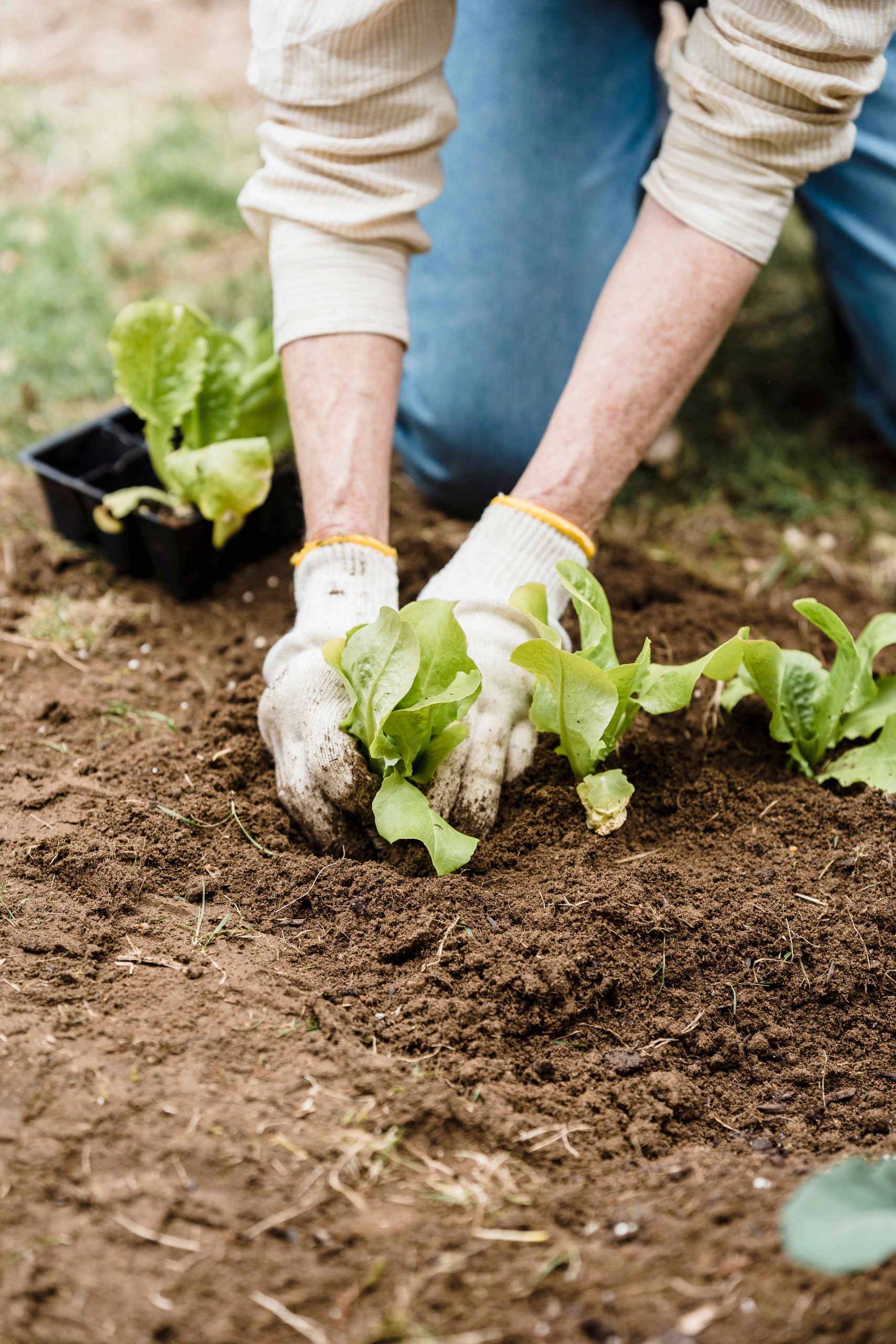
Image Credit: Pexels
Choosing the right location
Since perennial vegetables stay in the same place for many years, selecting the right site is essential.
Choose a location that offers:
- At least six hours of sunlight each day.
- Well-drained, fertile soil.
- Easy access for watering and harvesting.
- Protection from strong winds where possible.
Because these plants remain in place for years, avoid areas that may later be needed for construction or landscaping projects.
Preparing the soil
Healthy soil is the foundation of a productive perennial garden.
Before planting:
- Remove weeds and grass thoroughly.
- Add generous amounts of compost or well-rotted manure.
- Loosen compacted soil to encourage deep root growth.
- Test the soil if necessary.
Adding organic matter every year helps maintain soil fertility and encourages beneficial microorganisms.
Planning your layout
Unlike annual vegetable gardens that change each season, perennial beds should be carefully planned.
Consider:
- Plant height, placing taller crops at the back.
- Mature plant size and spacing.
- Easy access paths for harvesting.
- Companion planting with perennial herbs or flowers that attract pollinators.
Leaving enough room between plants reduces disease problems and improves air circulation.
Caring for your perennial patch
One of the biggest advantages of perennial vegetables is their relatively low maintenance.
Regular care includes:
- Watering during prolonged dry periods.
- Applying compost annually.
- Removing dead or damaged foliage.
- Controlling weeds before they become established.
- Dividing overcrowded plants when necessary.
Avoid disturbing the soil around established plants, as many develop extensive root systems.
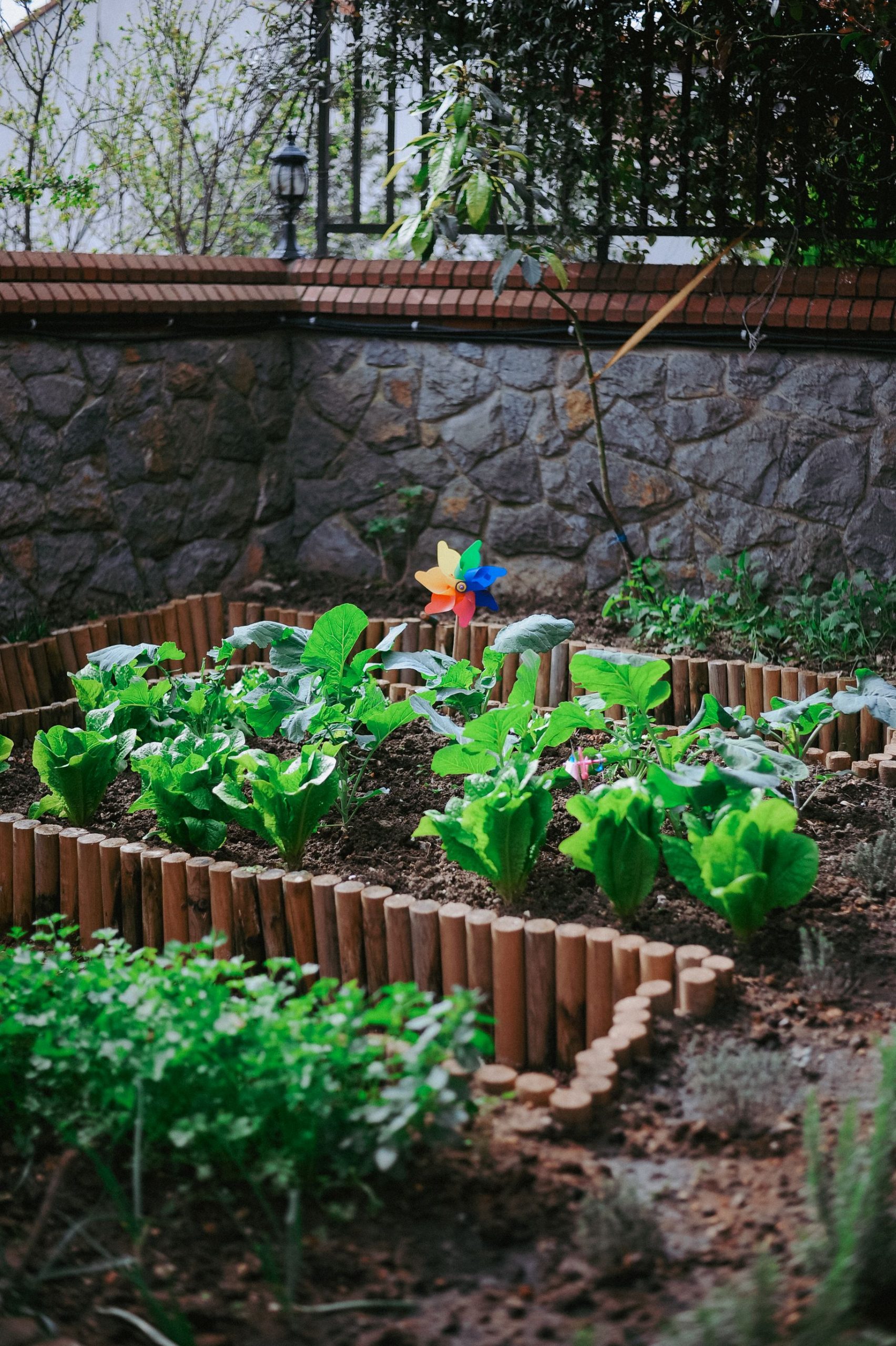
Image Credit: Pexels
ALSO SEE:
Feature Image: Pexels
