
 Maegan-Leigh Jacobs
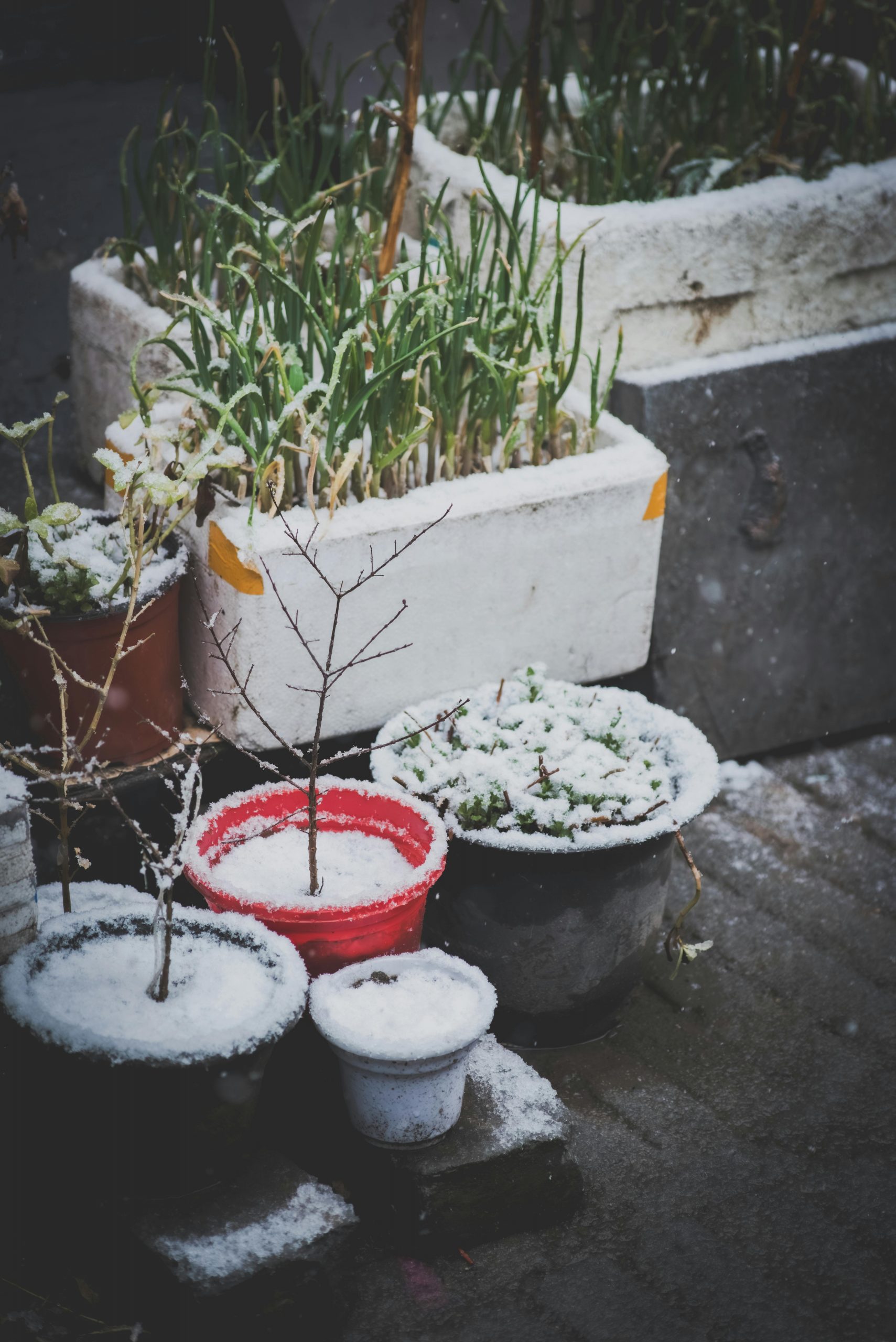
Winter may be kind to your fireplace rituals and cosy throws, but your outdoor pots? Not so much.
A sudden cold snap can leave favourite planters split down the side, especially when trapped moisture freezes and expands. The good news: a little seasonal prep goes a long way.
Choose pots that can handle the chill
Not all pots are made for frosty mornings. Terracotta planter and unglazed ceramic are beautiful, but they’re porous – which means they soak up water, and in winter, that’s where the trouble starts. When temperatures drop, the moisture expands and creates cracks.
If you’re shopping for new additions, look for frost-friendly options such as Fibreglass planter, resin, stone or concrete. They’re sturdier outdoors and less likely to complain when the weather turns.
Give pots a little lift
Leaving pots directly on cold, wet paving is asking for trouble. Elevate them slightly using bricks, pot feet or wooden slats. It helps excess water drain properly and stops the base from sitting in icy puddles.
A small change, but your pots will thank you come spring.
Wrap them up
Think of it as a winter coat for your containers. Bubble wrap, old blankets or burlap can help shield pots from sudden temperature swings. Secure with twine and you’ve created a simple layer of insulation that keeps both the planter and roots protected.
It may not win style points, but it works.
Pexels
Mulch is your secret weapon
A generous layer of bark, straw or dry leaves over the soil acts like a duvet for plant roots. It helps hold warmth in the pot and keeps soil temperatures more stable during cold nights.
Bonus: it also gives your containers a tidy, well-kept look.
Store empties the smart way
Unused pots shouldn’t spend winter filling with rain. Empty them, give them a quick clean and store them in a shed or garage if possible. If they have to stay outside, turn them upside down and cover them.
Simple, yes. But replacing cracked pots every spring gets expensive quickly.
Move delicate pots undercover
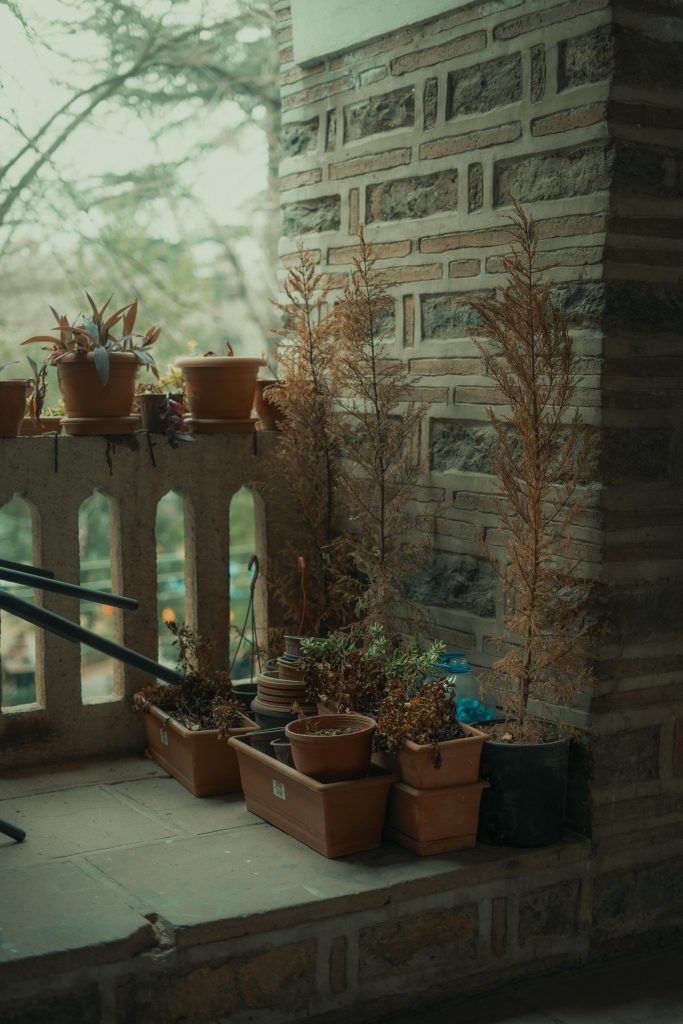
If a pot feels too precious to risk, trust that instinct. Move vulnerable containers onto a covered patio, into the garage or beneath a sheltered overhang. Even a little protection from rain and frost can make all the difference.
Because nothing says “garden heartbreak” quite like discovering your favourite planter didn’t survive the season.
ALSO SEE: Two of our favourite ways to start a sustainable garden with recycled planters
Two of our favourite ways to start a sustainable garden with recycled planters
