
 Chumasande Matiwane
You must agree that gardens are a bit incomplete without at least one lavender plant. These popular lavender perennial plants add a touch of purple to your flower beds, borders, and everywhere in between. These perennials are also incredibly resilient; however, that doesn’t mean they are without problems. Like any plant, incorrect conditions and care can lead to issues that, if not resolved in time, will lead to the demise of your plant.
If your lavender isn’t looking as good as you’d hoped, look at these potential causes to fix it at the source.
Wrong soil
Lavender loves well-drained soils. Since the herb grows in the Mediterranean area, where it is warm and dry, that’s the type of conditions it needs. You need to amend your soil with gravel and compost to mound your lavender plants.
Wilting
Lavender plants thrive in dry summer conditions and rainy winters, making them well-suited for the weather in Cape Town. They are also drought-tolerant, which makes them ideal for hot inland climates. Since lavender prefers drier soil, it typically doesn’t need additional watering. However, if the plant is left in waterlogged soil—due to excessive rainfall, compacted soil, or overwatering—it will begin to show signs of distress. Ensure that the planting area receives full sunlight and is located away from any spots where water tends to collect.
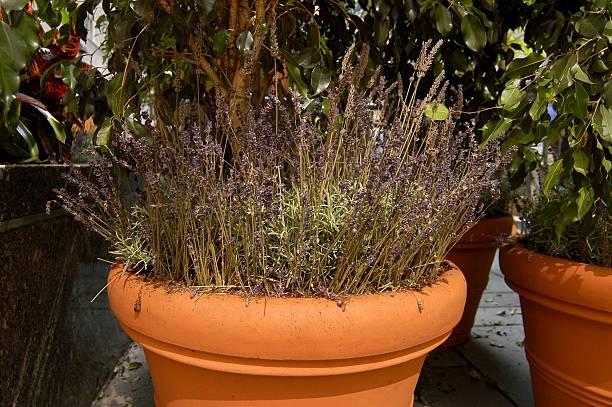
Image Credit: Gettys
Wrong planting location
One of the most common reasons lavender fails in the garden is that its feet are too wet. Since they are drought-tolerant plants that need lots of drainage, they do not like to have wet roots.
When planting lavender, always dig a hole first, fill it with water, and watch how quickly the water drains away. This is to make sure you have a spot that drains well. If not, you may want to choose a different spot or amend your soil with heavy bark or gravel for better drainage.
If you are planting your lavender in a container, the same rule applies.
Leaf loss
Many regions of South Africa have moderate temperatures, which are perfect for lavender. However, the weather is no stranger to occasional bouts of frost, which can completely ruin entire beds if not protected.
Your lavender’s response to cold temperatures will depend on the type you are growing. English lavender doesn’t mind temperature dips and frosty evenings, but French and Spanish lavender cannot tolerate the cold as well. Frost damage can cause these types to turn brown and drop all their leaves to a degree, depending on the length of the exposure.
Image Credit: Pexels
Lack of sunlight
These perennials love sunshine, so if it is not doing well or reaching for the sun, you need to consider planting it in a different spot in your yard. Before planting, watch the amount of sunshine each spot in your garden gets in a day.
ALSO SEE:
Feature Image: Pexels
