
 Maegan-Leigh Jacobs
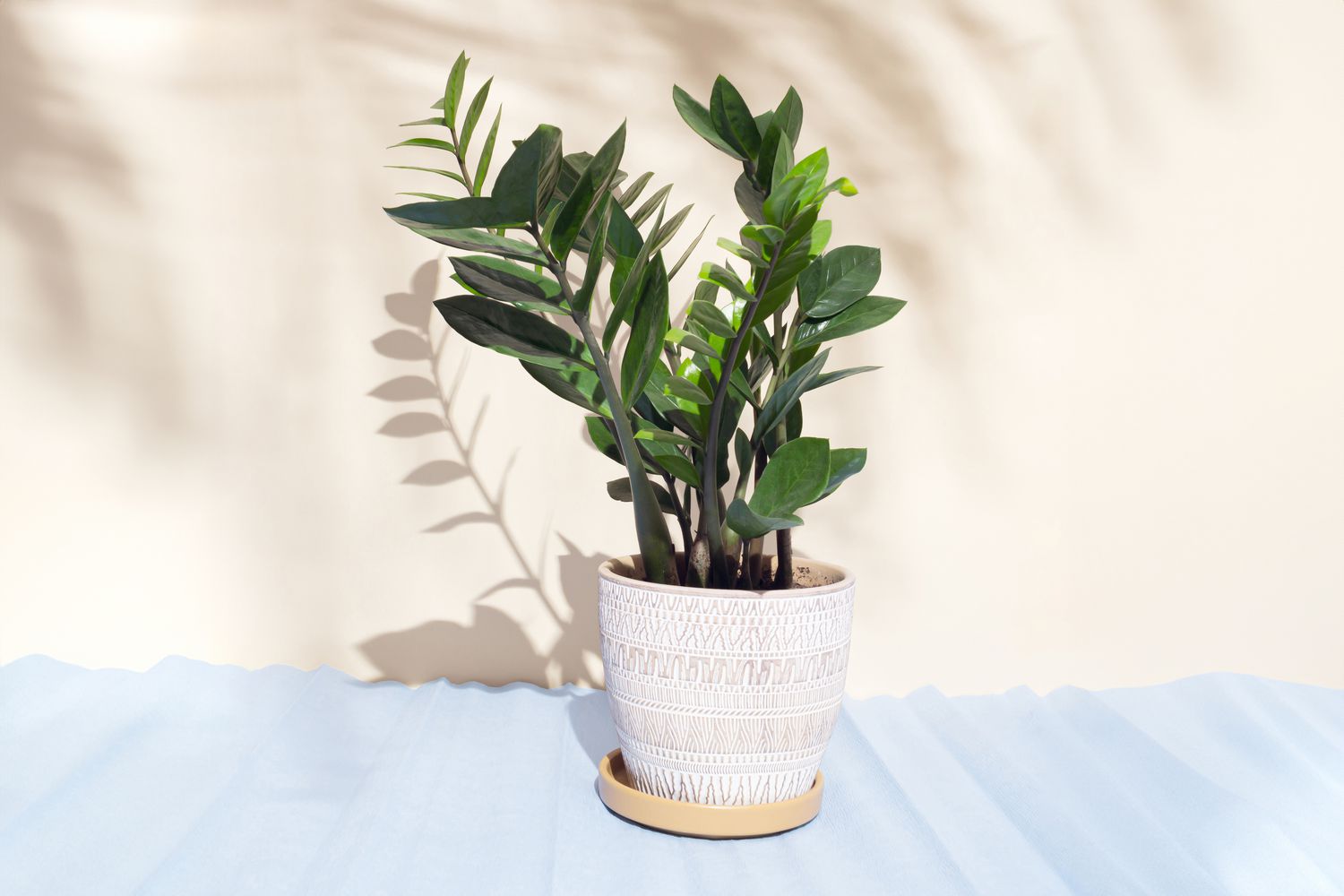
There’s a reason the ZZ plant has a bit of a reputation. Tough? Absolutely. Stylish? Always.
But “unkillable” doesn’t mean it should be left to fend for itself in a dark corner with a splash of water now and then. With just a little intention, your Zamioculcas zamiifolia can do more than survive – it can quietly thrive for years (even decades).
Here’s how to give this glossy green favourite the kind of life it deserves.
The sweet spot: light, but make it gentle
ZZ plants are famously tolerant of low light, which is why they’re often spotted in offices and dim corners. But if you want lush, full growth, aim for bright, indirect light.
Think: near a window, but not in the direct path of harsh afternoon sun. Too much sun can scorch those signature shiny leaves, while too little can leave the plant looking sparse and stretched.
Soil that breathes
If there’s one thing a ZZ plant refuses to compromise on, it’s drainage.
Choose a light, well-draining mix – something designed for cacti or succulents works beautifully. The goal is to avoid soggy roots at all costs. These plants store water in their thick rhizomes (those potato-like roots), so they prefer things on the drier side.
Watering: less is more (really)
Overwatering is the quickest way to upset a ZZ plant.
Instead of sticking to a strict schedule, check the soil. If the top few centimetres feel dry, it’s time to water. If not, leave it be.
In cooler months, you might water even less often. When in doubt, wait another day – your ZZ plant will thank you.
Keep it comfortably cosy
ZZ plants are not fans of extremes. They prefer a steady, moderate indoor climate – nothing too cold, nothing too hot.
Avoid placing yours near icy drafts, air conditioners, or heaters. A stable environment keeps growth consistent and stress-free.

Pexels
Feeding (the low-effort way)
This is not a high-maintenance plant when it comes to feeding. A diluted liquid fertiliser once or twice during spring and summer is more than enough.
Skip feeding in winter when growth naturally slows down.
A little tidy goes a long way
Pruning a ZZ plant is less about shaping and more about housekeeping.
Snip away any yellowing or damaged leaves to keep things looking fresh. If a stem becomes too leggy, you can cut it back at the base.
Just a heads-up: the sap can irritate skin, so gloves are a good idea.
Multiply the magic
If one ZZ plant isn’t enough (it never is), propagation is surprisingly simple – just a lesson in patience.
Division: When repotting, gently separate the rhizomes and replant them individually. Instant new plants.
Cuttings: Place a stem in water or soil and wait for roots to develop. It’s slow, but satisfying. This isn’t a fast-growing plant, so don’t rush the process.
When (and how) to repot
ZZ plants actually like being a little snug in their pots. Only repot when roots start crowding the container. Choose a pot just slightly bigger, refresh the soil, and make sure there’s proper drainage. Spring or summer is the ideal time to do this.
Common hiccups – and easy fixes
Even the easiest plants have their moments.
- Yellow leaves? Usually a sign of overwatering. Let the soil dry out properly.
- Stretchy stems? Your plant is craving more light. Move it somewhere brighter (but still indirect).
The beauty of a ZZ plant lies in its balance – low effort, high reward. Treat it with a bit more care than its “indestructible” label suggests, and it will reward you with years of glossy, sculptural greenery.
It’s not just a plant you own – it’s one you grow with.
ALSO SEE: POPULAR HOUSEPLANTS YOU DIDN’T KNOW WERE SUCCULENTS
