
 Chumasande Matiwane
Having ground covers offers numerous benefits for your garden. They help suppress weeds, reduce erosion on slopes, regulate soil temperatures, and some varieties can even improve soil quality.
While many ground covers are resilient and can thrive in harsh growing conditions, such as areas with full sun and dry soil, environments that are overly damp and soggy can be tricky for certain ground covers. These are some of the ground cover plants that are sensitive to wet soil.
Creeping phlox
Creeping phlox is a popular ground cover that produces tight masses of green leaves that give way to shades of pink, purple, and white, star-shaped flowers. If you plan to plant it in your garden, choose an area with full sun and well-draining soil, as creeping phlox does not tolerate wet soils. These grounds need hot and dry conditions. Plants will lose their leaves and stems and rot out from the middle of the plant if in wet soils.
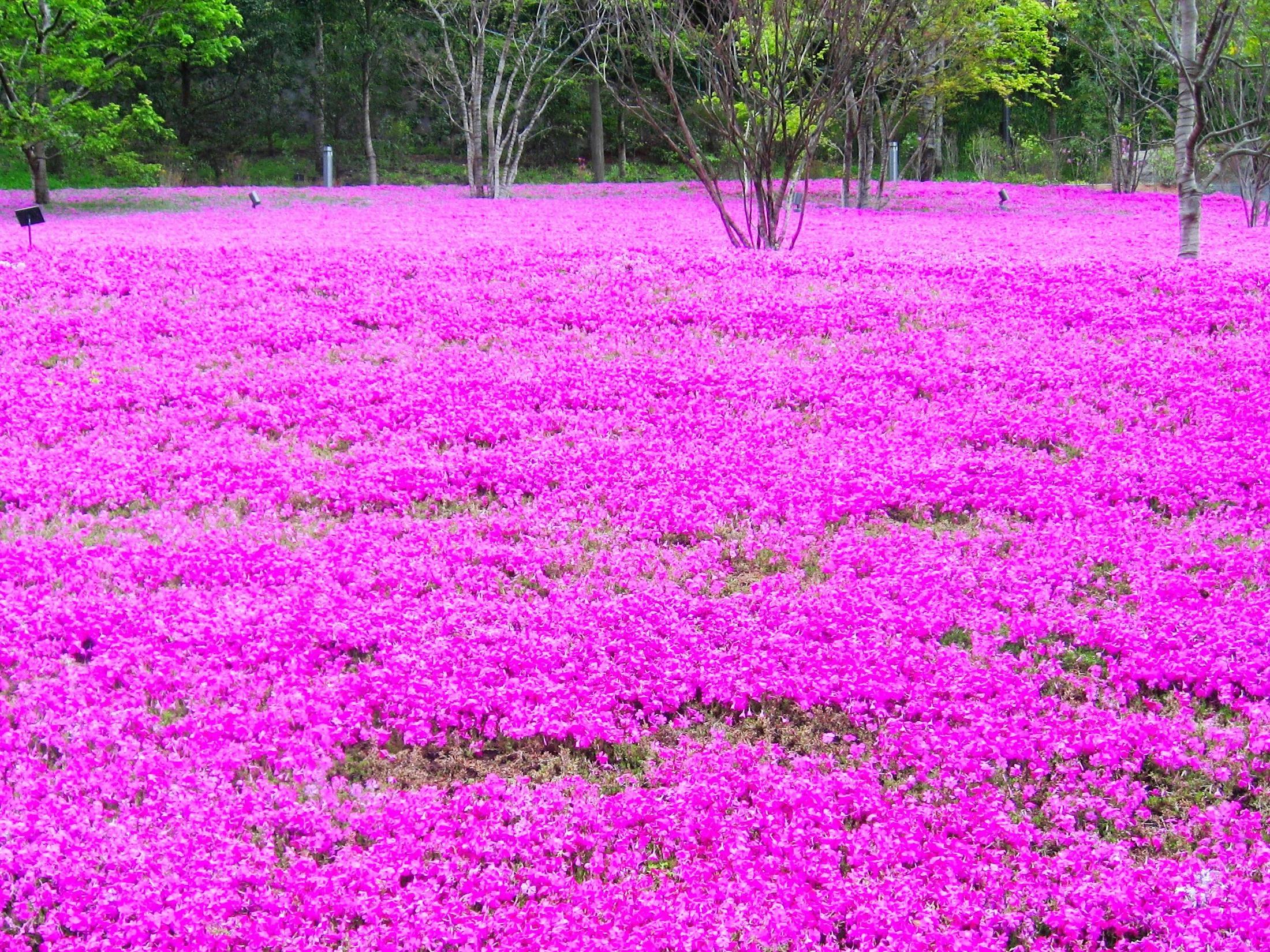
Image Credit: Pexels
Rosemary
The rosemary plant is native to the Mediterranean environment, meaning it is adapted to dry, rocky soil conditions and certainly won’t perform well in wet areas. These plants are highly sensitive to poor drainage and wet soils, which cause root rot and impair nutrient uptake, often resulting in rapid decline.
Russian sage
A ground cover that is known for its drought-tolerant, low-maintenance reputation. The Russian sage ground covers produce dense mat of silvery-blue foliage from summer straight to autumn making it an excellent choice for controlling soil erosion on slopes. However, because it is adapted to arid environments and well-draining soils, avoid Russian sage in wet areas. Excess moisture causes root suffocation.
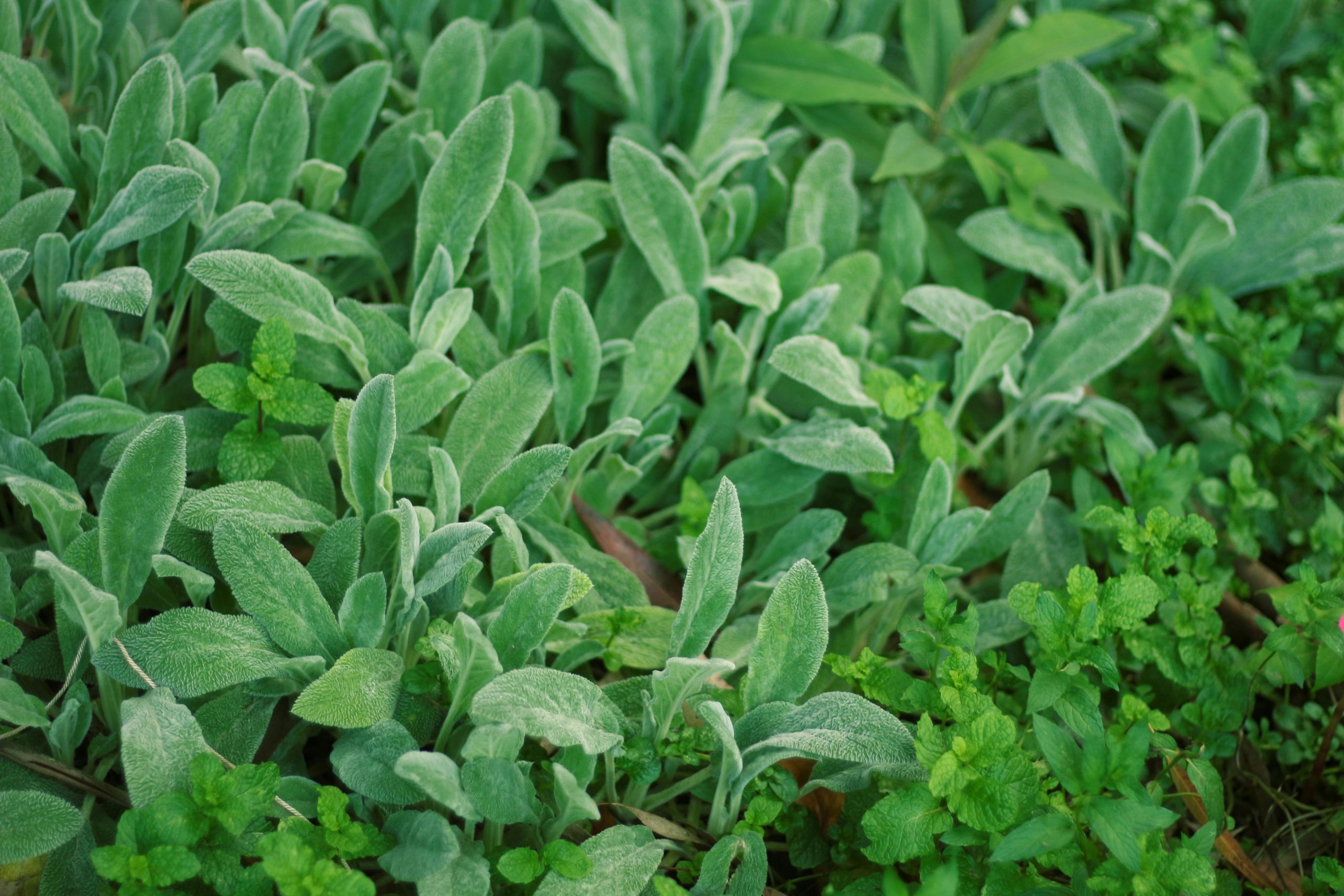
Image Credit: Pexels
Lavender
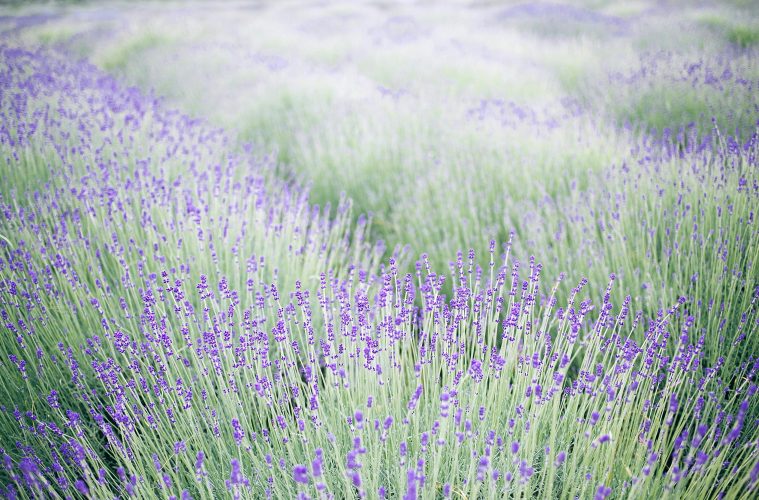
Another Mediterranean native plant, perfect for arid climates, requires excellent drainage to thrive. In wet soils, the roots are deprived of oxygen and become susceptible to root rot pathogens. Prolonged moisture will lead to crown collapse and plant death, thus destroying your lavender ground covers.
ALSO SEE:
Are Peonies perennials? Here’s what to know before you plant
Feature Image: Pexels
