
 Jade Mcgee
Interior design has always moved in cycles, but the current moment feels particularly willing to revisit the past. Across fashion, film and home decor, aesthetics once considered outdated are being dusted off and reappraised — often with fresh results. The bedroom is no exception.
We asked two interior designers which previously dismissed bedroom styles are back on their radar. Their answers might surprise you.
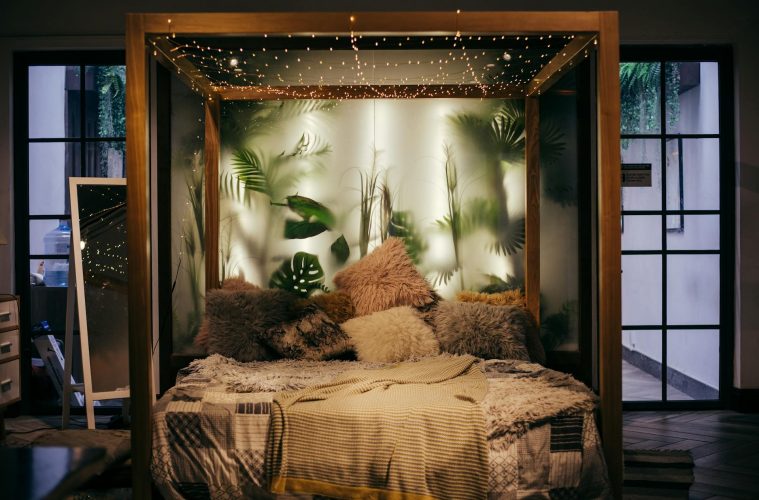
Canopy beds
Both designers agree: canopy beds are back. What’s changed is the execution. Where previous decades favoured heavy draping and imposing timber frames, today’s versions are lighter and more architectural. Lauren Saab, founder and principal designer of Saab Studios in Dallas, describes the modern approach as leaving frames open or dressing them with sheer linen panels. The result is a bed that creates visual structure in a room without the heaviness that once made canopy beds feel fussy and formal.
Floral prints
The grandmacore aesthetic has been building momentum across fashion and interiors for a while now, and florals are one of its most welcome arrivals. Floral motifs dominated bedrooms from the 1950s through to the 1970s before fading from favour in the mid-1990s. Now they’re back, and Saab’s advice is to use them with restraint. Accent pillows, curtains, area rugs and throw blankets offer the perfect entry points, while small-scale, delicate prints can even hold their own in larger applications like wallpaper.
Ruffled bedding
Ruffled bedding is perhaps the trend most people would have bet against making a comeback — but here we are. What makes today’s version work where previous iterations felt stiff and dated is the fabric choice and simplicity of cut. Lighter materials and cleaner lines give modern ruffles a softness that feels inviting rather than fussy. Saab recommends using them sparingly: a single ruffle on the edge of a pillow is often enough to add texture and ease without overdoing it.
Floating bed frames
Not everything making a comeback is overtly decorative. Brittny Button, founder and principal designer of Button Atelier in Los Angeles, points to floating bed frames as an increasingly popular choice in minimalist and contemporary spaces. Their appeal is both visual and practical — the suspended effect makes a room feel larger, which is a particular advantage in smaller bedrooms. Advances in design and manufacturing have made floating frames more refined and accessible than ever.
Attached side tables
A close cousin of the matching bedroom set — itself a relic of another era — is the bed frame with integrated side tables. Button describes this as a modern reimagining of that coordinated look, one that trades the matching chest-of-drawers ensemble for something sleeker and more purpose-built. The result is a bed that feels custom-designed: cohesive, functional, and free of the slightly corporate quality that the old matching set often carried.
Mixed wood tones
The reign of the matching bedroom set is well and truly over. Today, designers actively encourage mixing wood tones across furniture pieces, and Saab says the contrast is precisely what makes a room feel considered rather than catalogue-bought. The trick lies in balance. Choosing a single dominant tone and ensuring the undertones across pieces are complementary — cool with cool, warm with warm — prevents the look from feeling accidental. Introducing contrast between light and dark shades adds depth without chaos.
Statement headboards
Headboards have graduated from functional afterthought to intentional design moment. Saab notes that today’s most compelling versions move beyond upholstered fabric into wood, cane and sculptural forms that command attention. Wall-to-wall headboards, textured finishes and bold shapes are all having a moment — the common thread being a willingness to let the bed anchor the room rather than blend into it.
The bigger picture
What connects these returning trends is a broader cultural appetite for warmth, personality and rooms that feel lived in rather than staged. Whether it’s the organic softness of florals, the architectural presence of a canopy bed, or the tactile interest of mixed woods, the bedroom is becoming a space where comfort and character are no longer at odds with good design.
ALSO SEE:
How to remove invasive plants from your garden — and keep them out
Featured Image: Pexels
