
 Maegan-Leigh Jacobs
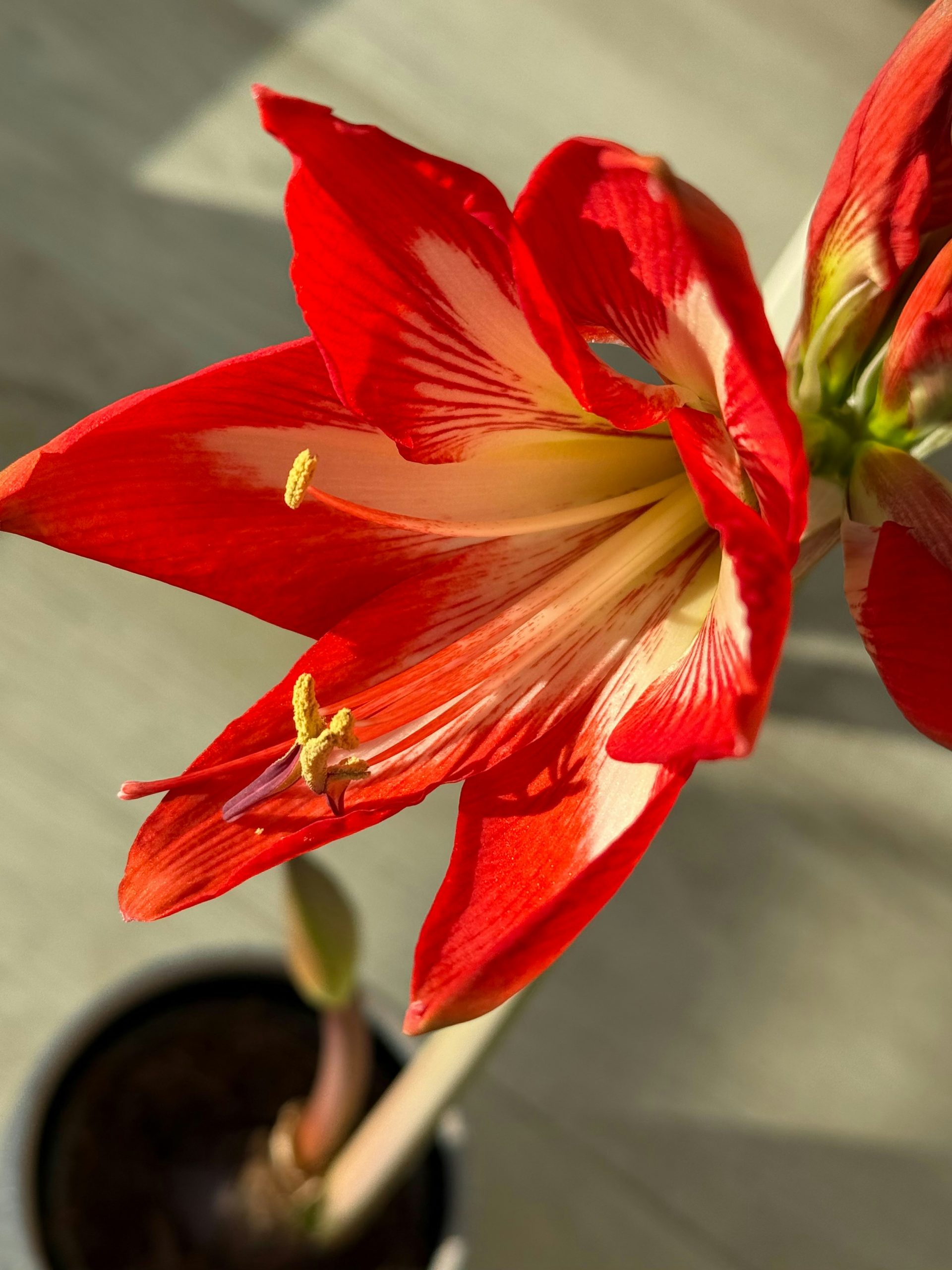
Few indoor plants feel as celebratory as an amaryllis. With its towering stems and dramatic trumpet-shaped blossoms, this bulb brings instant colour to homes at the height of summer and the festive season in South Africa. Whether in ruby, blush, cream or even striped tones, it makes a striking centrepiece that feels both elegant and joyful.
Most amaryllis (botanically known as Hippeastrum) are sold as bare bulbs, in simple pots with growing mix, or occasionally set in water or coated in decorative wax. They are famously straightforward to grow, which is why they’re such a popular gift for both seasoned plant lovers and first-time gardeners.
Because many bulbs are locally grown, they usually flower within about four to six weeks of being potted. If yours was slower to show colour, it may simply have been imported or stored for longer before planting.
But once the blooms fade, a common question arises: should you keep the bulb or toss it out?
Is it worth saving?
The answer really depends on how your plant performed.
A strong, healthy bulb typically produces several large flowers on a single tall stem, followed by long, glossy leaves. If your amaryllis put on a generous, vibrant display and the bulb still feels firm and plump, it’s definitely worth keeping.
If, however, it struggled to flower or produced only one weak bloom, the effort to coax it into another cycle may not be worthwhile. It’s also important to note that bulbs grown only in water or sealed in wax are generally spent after flowering. Without soil, they cannot build up enough energy to bloom again, so starting fresh next year is usually the better option.
And a gentle reminder: amaryllis is harmful to pets if ingested, especially the bulb, so place it somewhere curious paws and noses can’t reach if you plan to keep it.
How to encourage another bloom
If you decide to hang onto your amaryllis, a little care goes a long way.
Once the flowers have finished, snip off the spent heads but leave the leaves intact. These leaves are essential for helping the bulb gather energy for its next show.
Position the pot in a bright spot and water when the surface of the soil feels dry. A general houseplant feed once a month will also help strengthen the bulb.
As temperatures cool after summer, you can place the pot outside in a sunny, sheltered position. Just avoid harsh midday heat. Keep watering lightly during this period. Towards the end of winter, allow the plant to rest. Move it to a cool, dark corner and stop watering so the bulb can go dormant. Let the leaves die back naturally rather than cutting them off.
After about eight to ten weeks, bring the pot back into a warm, well-lit room and resume gentle watering. With patience, new growth should emerge, followed by fresh blooms a few weeks later.
Can it live in your garden
In frost-free or mild regions of South Africa, amaryllis can be planted directly into garden beds once temperatures are consistently warm. Choose a sunny position with soil that drains well, and leave the top third of the bulb exposed above ground.
In colder areas, it’s safer to keep amaryllis in containers that can be moved indoors during chilly spells.
Whether you choose to nurture your bulb for another season or simply enjoy its beauty once, an amaryllis is always a spectacular way to brighten your home.
ALSO SEE: SIMPLE CARE TIPS FOR GROWING GARDENIAS INDOORS
