
 Chumasande Matiwane
Microfibre towels are so effective in cleaning tools against some of your home’s biggest messes. Whether you’re battling a dirty oven, shining up your stainless steel, or cleaning streaks off a television screen. These tiny-but-mighty fibres are highly effective at trapping dust, dirt, and bacteria.
However, if you aren’t sure how to wash your microfibre cloths properly, you actually might be making your home dirtier.
Instructions on cleaning your microfibre towels
Whether you’re using microfibre cloths to polish your silver or to soak up spills, it’s important to follow these cleaning instructions to keep them performing well.
1. Separate the microfibre towels
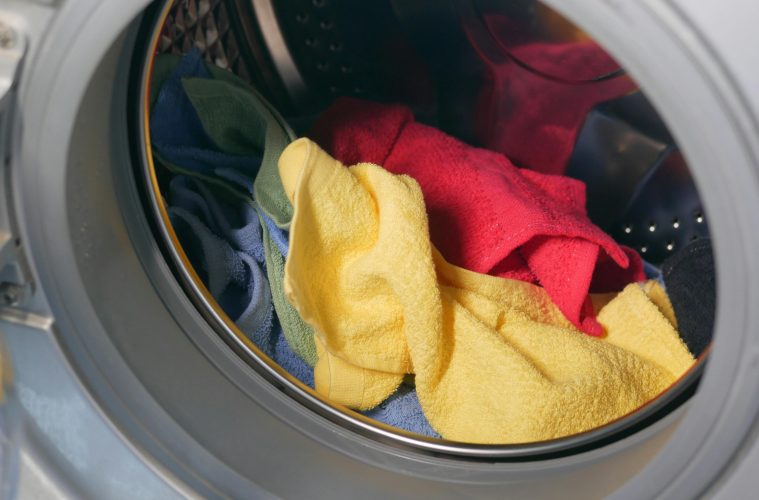
While an additional laundry load may take a bit of time, it’s worth the effort to wash microfibre towels separately. Microfibre towels are often made from cotton, and cotton garments shed and can damage your cleaning cloths quickly. The microfibre acts like a magnet and will grab onto particles, reducing its effectiveness. Try to treat microfibre like its own laundry category.
2. Consider a pre-rinse
If you are washing heavily soiled towels, rinse them by hand in cold water before tossing them in the machine. This will help get them thoroughly clean as well as protected from damage.
3. When washing, add vinegar
Try to avoid using a fabric softener. Instead, toss in a half cup of white vinegar during the rinse cycle. Among all of its cleaning uses, vinegar can help naturally soften and deodorise the fabric.
4. Minimise heat
Air drying your microfibre towels is the best option—no heat dryers. High heat is your microfibre’s enemy, as it can melt the synthetic fibres and leave the towels feeling stiff. This is a sign that they’ve lost their effectiveness.
Precautions to take with microfibre towels
- Keep away from heat
- Avoid bleach and fabric softeners
- Store away from contaminants
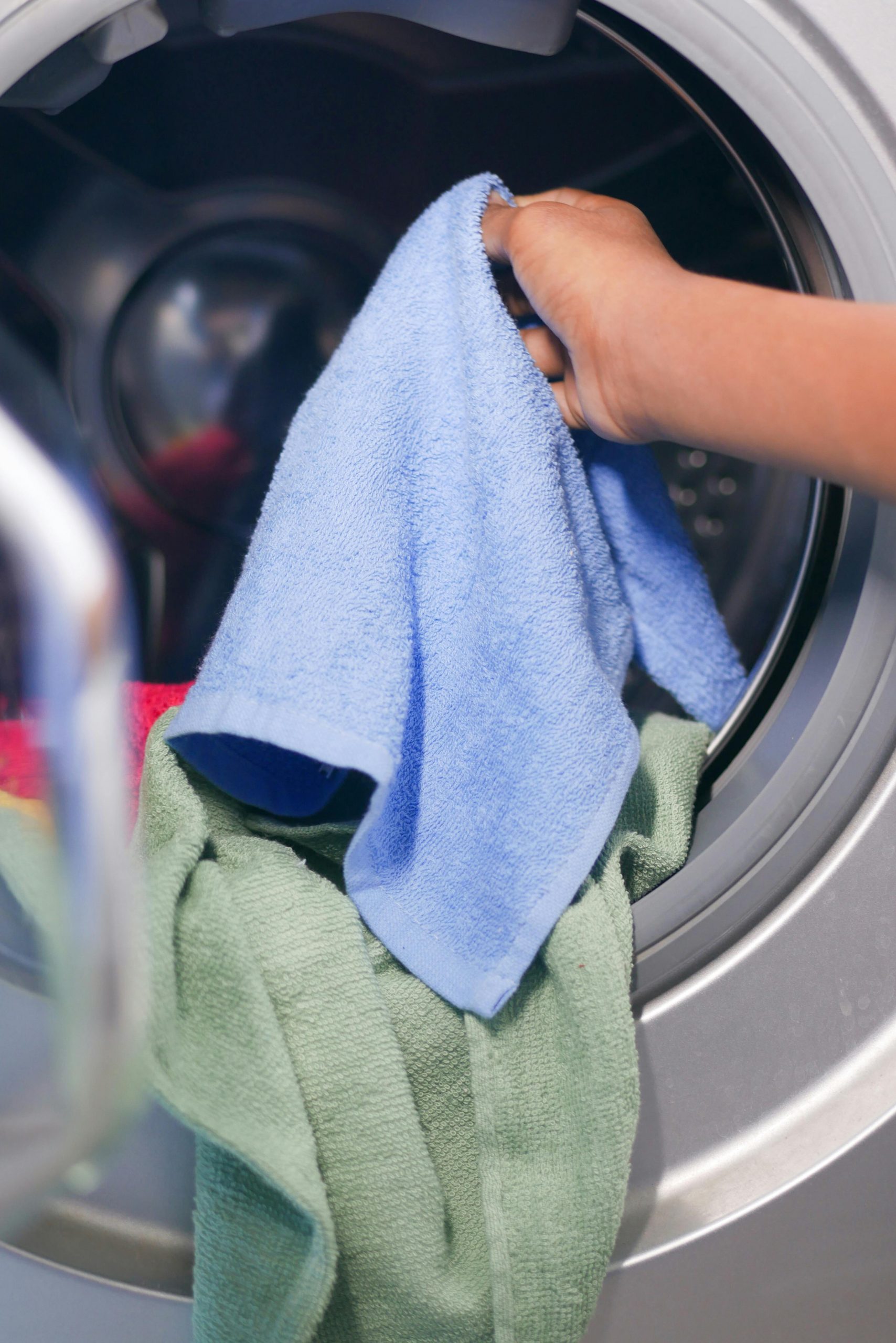
Image Credit: Pexels
ALSO SEE:
Feature Image: Pexels
