
 Maegan-Leigh Jacobs
A new year often sparks a desire to reset our surroundings. But in 2026, that refresh goes deeper than aesthetics. Interior design is moving away from perfection and polish, and toward homes that feel real, layered and emotionally resonant.
Across global and local design conversations, a clear mood is emerging: in a world increasingly shaped by AI, automation and digital speed, people are craving interiors that feel human. Spaces that comfort, cocoon and inspire. Spaces shaped by texture, craft, warmth and personal expression.
Read more: How to make your home feel cooler using fabrics and colour for summer
As South Africa’s most trusted paint authority, Plascon has been closely tracking these shifts not to dictate how homes should look, but to help homeowners translate emerging interior design trends into lived-in, meaningful spaces through colour.
‘Every year brings new rhythms in the world of interiors, and 2026 is no exception,’ says Leslie Frank, Head of Marketing at Plascon South Africa. ‘What’s clear this year is a move toward homes that feel more intentional, more tactile and more human. Spaces designed around how people actually live, not just how they look.’
The defining interior design trends of 2026
Several key interior design directions stand out for 2026.
1. Lived-in luxury: Homes with heart,history and humanity
Perfection is out. In 2026, interiors celebrate imperfection, layering and personality. Rooms are designed to feel ‘collected over time’ by blending vintage finds, handcrafted pieces, tactile fabrics and personal objects that tell a story.
This shift marks the evolution of ‘quiet luxury’ into something warmer and more expressive: still considered and curated, but never sterile. Texture becomes the new status symbol, from slubbed linen and bouclé upholstery to aged woods and hand-thrown ceramics.
Colour plays a grounding role here, supporting the atmosphere rather than dominating it. Soft neutrals, warm browns, muted blues and earthy tones help unify eclectic spaces while allowing materials and objects to shine.
2. Warm minimalism: Softer spaces that soothe and cocoon
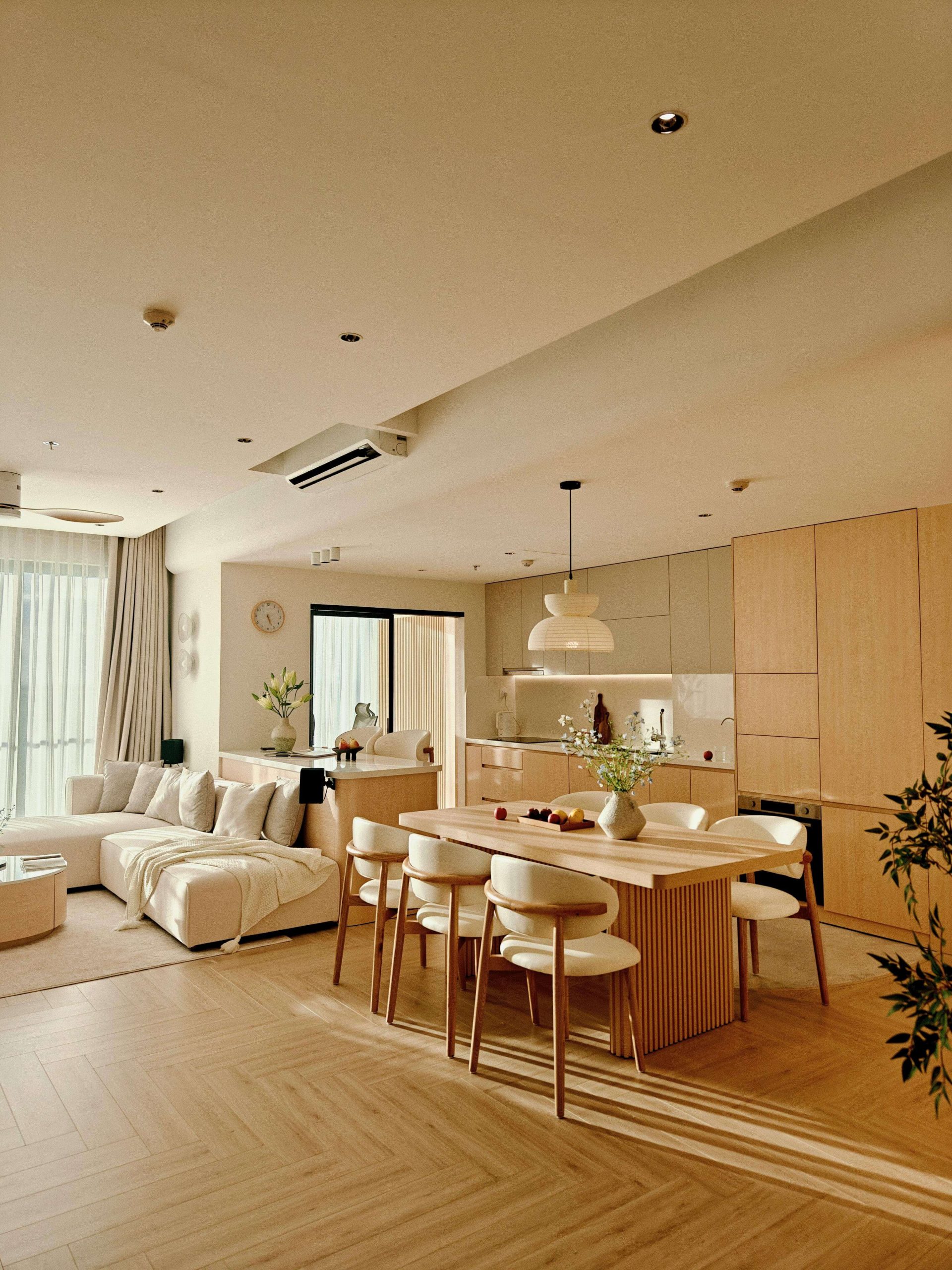
Minimalism hasn’t disappeared, it’s softened. Stark whites and cool greys give way to warm, tonal palettes layered with natural materials. Think limewashed walls, warm timber, woven textiles and gently curved forms.
Bedrooms, reading corners and small retreat spaces become sanctuaries, designed around comfort and emotional wellbeing. Paint is used to wrap a room rather than highlight a single feature, creating calm, immersive environments that encourage rest and reflection.
This trend reflects a growing desire for homes that slow us down and spaces that feel restorative, not performative.
3. Kitchens and living spaces get gentler (and more expressive)
Once purely functional, kitchens and living areas are now treated with the same care as lounges and bedrooms. Freestanding furniture, natural wood cabinetry, tactile surfaces and layered lighting replace rigid, fitted perfection.
Paint plays a key role in softening these hardworking spaces, whether through colour-drenched cabinetry, painted ceilings or subtle tonal contrasts that add warmth and depth. Rather than stark contrasts, 2026 favours combinations that feel inviting and lived-in.
4. Texture as luxury: Craft, tactility and the ‘Hand-Made’ mindset
From textile wall hangings and decorative trims to sculptural furniture and artisanal tiles, texture is central to 2026 interiors. This renewed focus on craftsmanship reflects a broader cultural shift toward authenticity and the handmade.
‘In a world moving rapidly toward digital and AI-first experiences, we wanted to pause and remind people that there’s nothing more tactile than paint,’ says Frank. ‘Painting your space is a deeply human act. It’s about creating rooms that feel real, expressive and lived in.’
Colour as a tool not a rule
Rather than dictating trends, colour in 2026 acts as a flexible tool that helps homeowners express mood, memory and intention. Whether layered subtly or used boldly, paint allows spaces to evolve with the people who live in them.
‘Our role at Plascon is to inspire,’ says Frank. ‘Paint isn’t just a surface finish, it’s one of the most powerful ways to redefine how a room feels, and ultimately how a home supports the life being lived inside it.’
From calm, nature-led palettes to expressive, personality-driven hues, colour helps bring each of these interior trends to life making them accessible, adaptable and uniquely personal.
A fresh year, reimagined
As 2026 begins, the message is clear: interior design is no longer about chasing perfection or trends for trend’s sake. It’s about creating spaces that feel grounded, expressive and human.
And sometimes, all it takes to begin that transformation is a fresh coat of paint.
If you’re inspired by these interior trends, Plascon makes them easy to apply with the 2026 Colour Forecast. Comprising four colour worlds, each world features a curated range of tintable colours with colour codes, designed to support and simplify the application of 2026 interior design trends.
ALSO SEE: PAINT COLOURS YOU SHOULD NEVER USE IN A SMALL ROOM
Paint colours you should never use in a small room – and what to try instead
Words and Images: Supplied
