
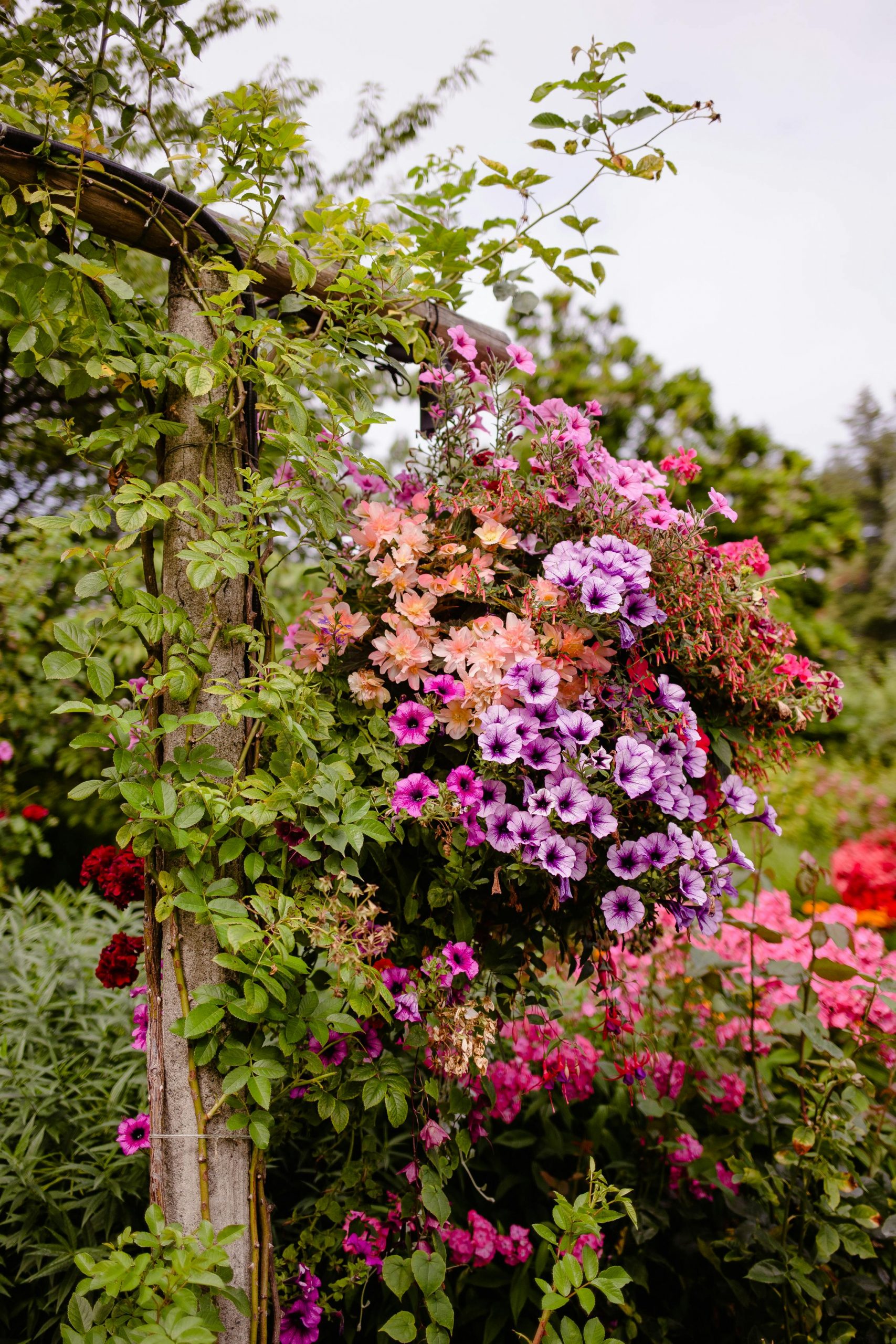
 Maegan-Leigh Jacobs
There’s something quietly magical about a garden that gets colour just right. Not loud for the sake of it, not timid either – just a considered mix that feels alive.
Think of your garden as a canvas where green is the base note, and everything else is a carefully placed brushstroke.
Read more: Cut flowers that thrive in containers
Start with green, then layer the drama
Green isn’t boring – it’s your anchor. Lush foliage creates breathing room and lets colour shine without overwhelming the space. But if you’re after year-round interest, don’t rely on flowers alone. Coloured foliage is having a moment (again), and for good reason. Deep plum leaves, silvery tones and variegated textures bring a steady hum of colour even when blooms take a break.
A plant like Sambucus ‘Black Lace’ adds moody depth, while softer, tinted leaves can lift a space without shouting.
Cool, calm or bold and blazing?
Colour sets the mood. Blues and whites instantly cool things down, making a garden feel serene and spacious – perfect for hot summer days. On the flip side, reds, oranges and yellows bring energy and warmth, but they do demand a bit more finesse.
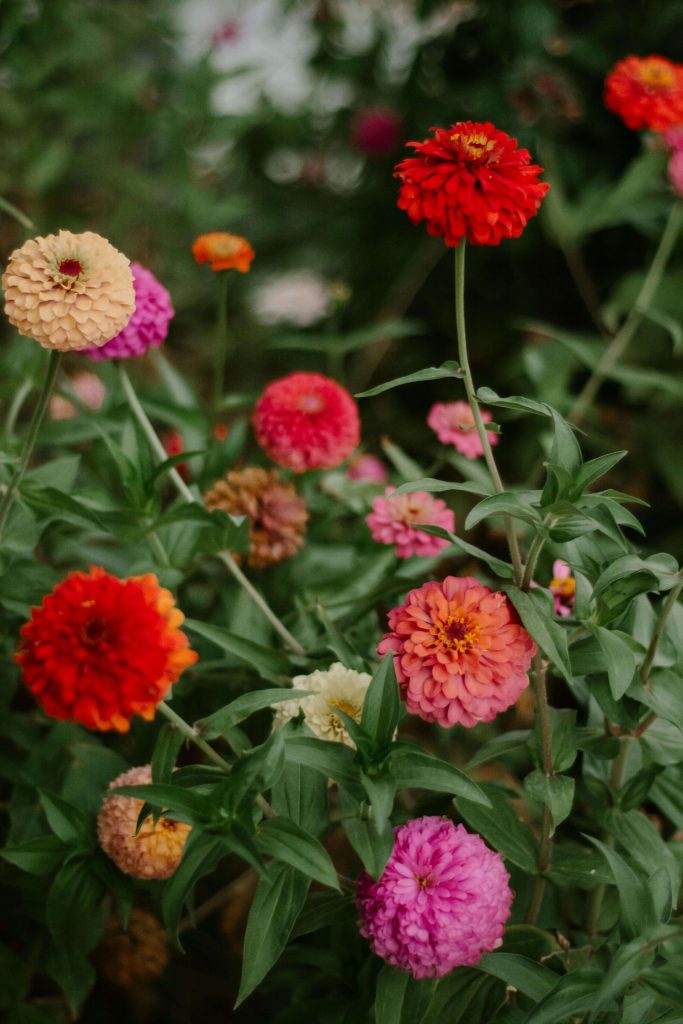
A simple trick: keep fiery tones close on the colour spectrum. Pair reds with burgundy, pinks or coral rather than jumping straight to bright yellow. It feels more intentional, less chaotic.
Pexels
Use colour in blocks (but place them wisely)
Bold colour works best when it knows where it belongs. Solid blocks of a single shade can be striking, especially near entrances, patios or along pathways where they can be appreciated up close.
In the middle of a garden, though, too much intensity can feel jarring. Let those moments live closer to the home, where they feel curated rather than accidental.
Think in textures, not just tones
Not all colour behaves the same way. A single oversized bloom – like a hibiscus – demands attention. A cloud of smaller flowers, like bougainvillea, creates a softer, more immersive effect.
For a layered look, combine the two. Imagine a haze of delicate, apricot-toned flowers drifting through a bed, punctuated by the occasional bold bloom in a complementary shade. It’s less about perfection, more about rhythm.
Let colour move through the garden
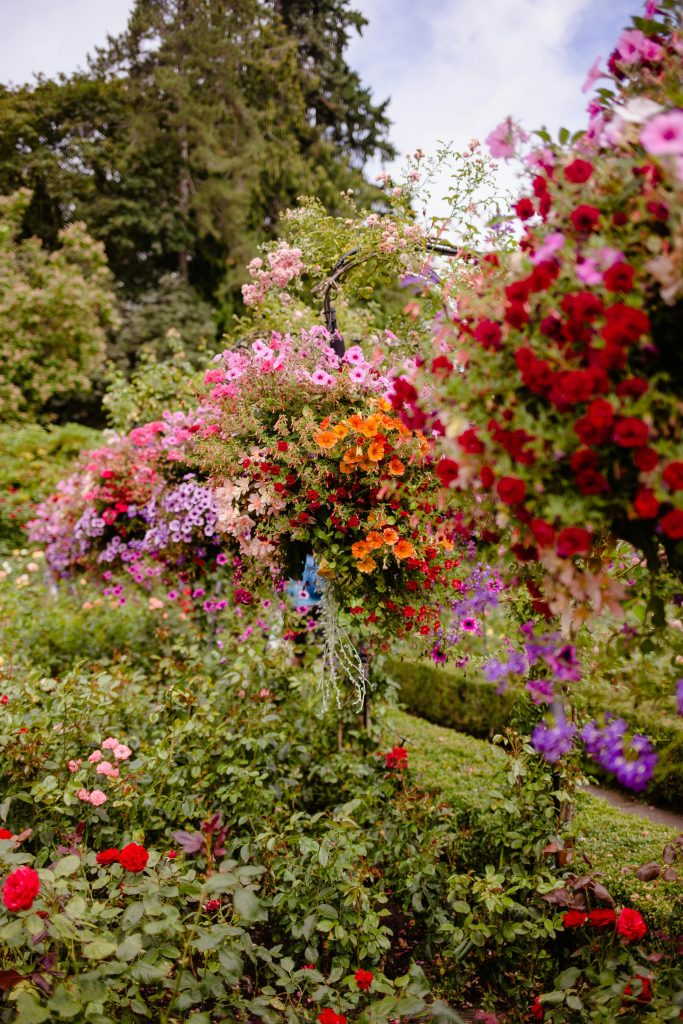
Instead of planting in isolated bursts, allow colour to travel. A soft progression – from deep purple to lilac, then into blue – guides the eye and creates a sense of flow.
Alternatively, repeat a single hue in different spots to tie everything together. It’s subtle, but it works.
Pexels
Don’t be afraid to clash (a little)
Some of the most exciting gardens break the rules. Unexpected pairings – like sunny yellow against rich purple – can feel fresh and modern when done with intention. The key is balance: keep the rest of the palette grounded so the contrast feels playful, not overwhelming.
Aim for harmony, not overload
A good rule of thumb? Let green do most of the talking – around two-thirds of your garden – while colour plays the supporting role. This keeps things cohesive and easy on the eye.
And one last thing: timing matters. There’s no point dreaming up a dreamy blue-and-white border if those plants bloom in completely different seasons. A little planning goes a long way.
ALSO SEE: THE BEST KITCHEN COLOUR COMBOS TO TRY RIGHT NOW
