
 Chumasande Matiwane
Many plant parents despair over sickly houseplants, especially when they’re well-tended. Knowing what has caused a houseplant issue isn’t always easy to decipher.
Finding the right place for your plant isn’t just about aesthetics or light levels; temperature is important too.
Why indoor plants don’t do well in drafts
Here are a few signs to watch for and how to remedy your houseplants;
Leaf drop
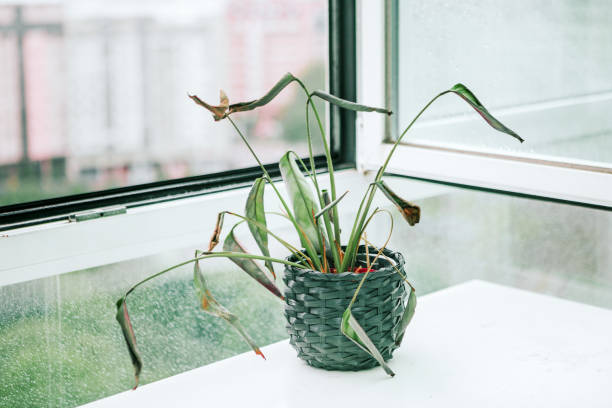
A few dead leaves on a windowsill may not be cause for concern, but if your plant suddenly sheds lots of its leaves or is regularly dropping its leaves, it is likely a reaction to being exposed to a draft.
Thankfully, the solution is simple to revive the houseplants from the damage. If the houseplants randomly drop healthy, green leaves, then it is a sign of fluctuating temperatures. To remedy the situation, you can relocate the plant to a more stable area.
Browning of the leaf edges
This is mostly due to the hot, dry heat inside your home; browning of leaf edges usually occurs during winter due to winter temperature drops and lack of light. This is called a cold draft.
To eliminate any cold draft in your home, seal gaps in windows first. If eliminating the draft is not possible, you can protect plants and moving them away from any cold draft entering.
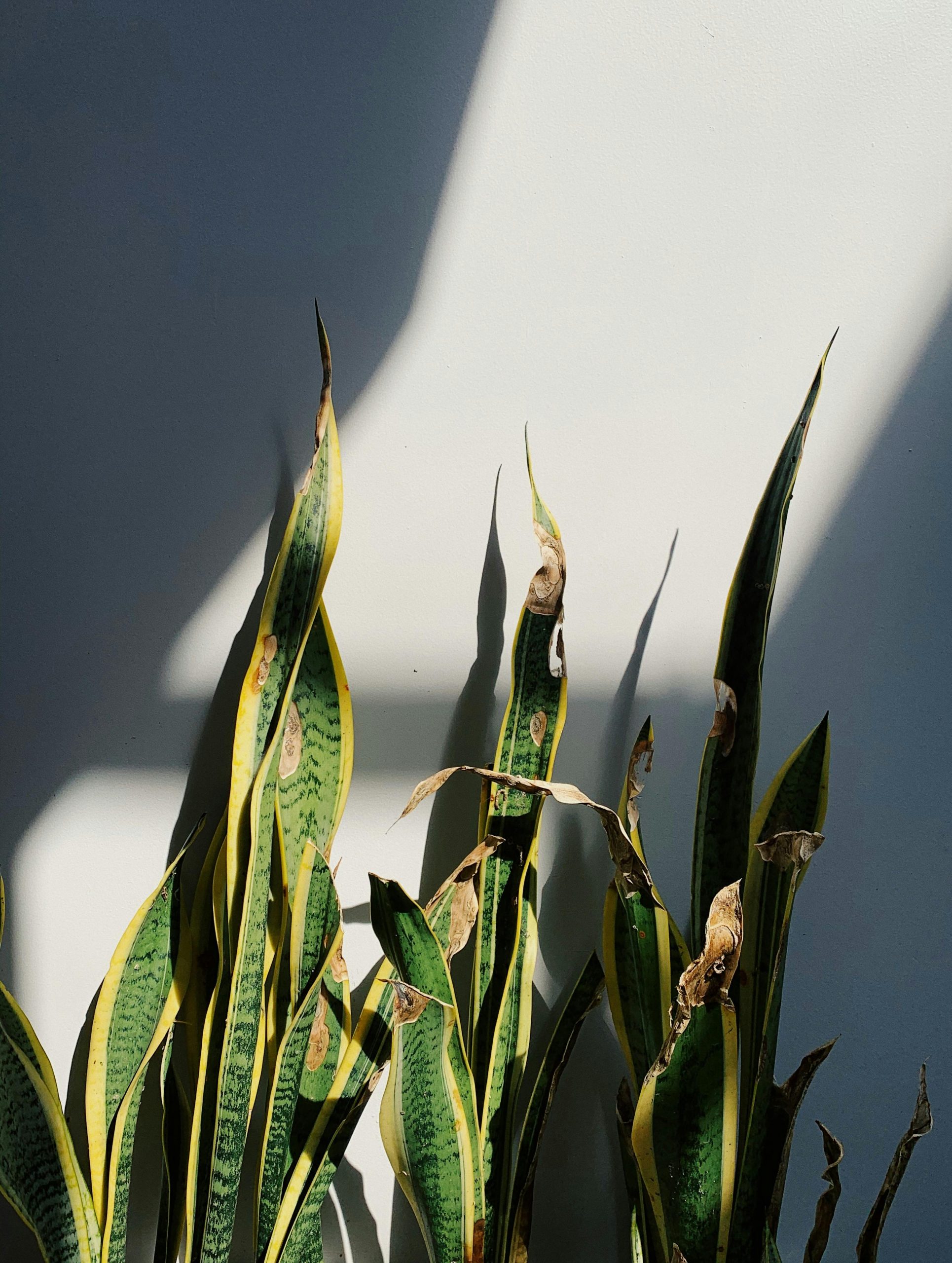
Image Credit: Pexels
Black, mushy leaves
Unlike dropped leaves, which could be due to cold or hot drafts, black, mushy leaves point to severe cold exposure. Cold drafts can damage your houseplants’ leaves in two ways. Firstly, the cold temperatures can damage the cells of your houseplants. This is because these plants have not evolved to withstand cold temperatures.
Just make sure to place the houseplants away from drafts.
Brown, crispy leaves
Most drafts are generally caused by cold drafts that come in through cracked window seals or gaps around door frames. However, in summer, this is possible due to blasts of hot, dry air coming from vents, furnaces, and windows. from a heat source. Although
Usually, the development of brown, crispy leaves will happen rapidly and across most of the plant if it’s exposed to extreme heat for a period.
If the root system is still intact and some healthy growth remains, you can prune back dead leaves and follow up with good care, including a more comfortable location for the plant. Then new growth may develop.
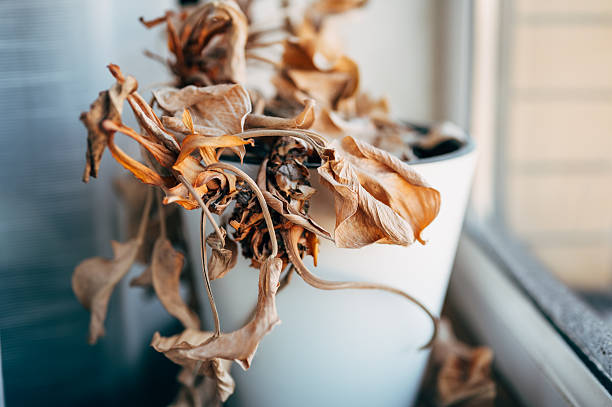
Image Credit: Gettys
ALSO SEE:
Feature Image: Pexels
