
 Maegan-Leigh Jacobs
A pinch of spice, a whole lot of plant power
Cinnamon isn’t just for your morning oats or a cosy cup of coffee – it’s quietly becoming a houseplant hero. Tucked into your spice rack is a simple, affordable way to keep pests at bay and your indoor jungle looking fresh, clean, and thriving.
Think of it as nature’s multitasker: it helps deter unwanted visitors, keeps fungal issues in check, and even supports plants as they recover from a trim. Not bad for something that smells this good.
Why cinnamon works
Cinnamon has natural antifungal and antibacterial properties, which means it helps create a healthier environment in your plant’s soil. Pests tend to gravitate towards damp, unhealthy conditions – so when your soil is balanced, they’re far less likely to stick around.
It’s also non-toxic and gentle, making it a safe option for homes with pets or kids, and it won’t harm beneficial insects either.
Pexels
Three easy ways to use it
The gentle spray: For plants showing signs of fungal stress (think powdery patches or greymould), a cinnamon spray can work wonders. Mix a small amount of cinnamon with warm water, strain it well, and spritz lightly over affected areas. It’s a simple way to refresh your plant without reaching for harsh chemicals.
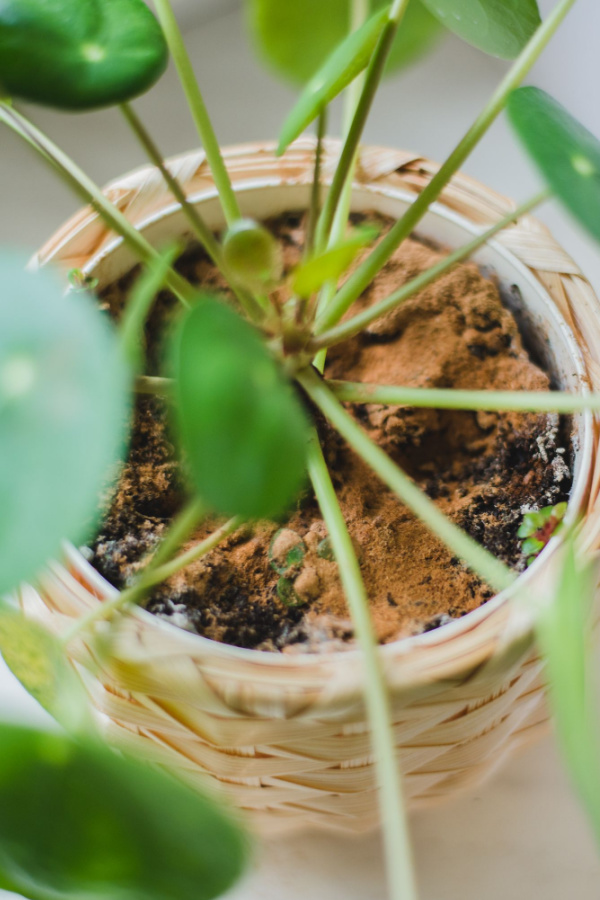
The light dusting: A soft sprinkle over the soil can help discourage pests like ants and gnats. The key here is restraint – a thin, even layer is all you need. Too much, and you risk creating a barrier that blocks water fromsoaking in properly.
The cut-and-seal trick: Just pruned your plant ortrying your hand at propagation? Dip the cut end into a little cinnamon before potting. It helps protect the wound and keeps rot at bay while your plant settles into its next growth phase.
A few things to keep in mind
Not all cinnamon is created equal. Go for pure cinnamon bark powder – skip anything labelled as flavoured sugar. If you can, opt for Ceylon cinnamon, which is gentler when used directly on plants.
And while it’s tempting to go all in, less really is more. A heavy-handed approach can lead to clumping on the soil surface, which makes watering tricky and can do more harm than good.
When to try something else
Cinnamon is a brilliant all-rounder, but it’s not your only option. If you’re dealing with a more stubborn pest problem, neem oil is another natural favourite. For ongoing mould issues, consider refreshing your soil with a touch of activated charcoal when repotting.
A dash of cinnamon can go a long way in your plant care routine. It’s easy, effective, and adds a little everyday magic to tending your indoor garden – proof that sometimes, the best solutions are already sitting in your kitchen.
ALSO SEE: HOW TO USE NEEM OIL ON YOUR PLANTS TO FIGHT PESTS
