
 Jade Mcgee
Champagne grapes are not what their name suggests. They are not used for making champagne, and they bear little resemblance to the large table grapes most people are familiar with. What they are is something considerably more interesting: clusters of tiny, intensely sweet berries with a concentrated flavour that far exceeds anything their small size might lead you to expect.
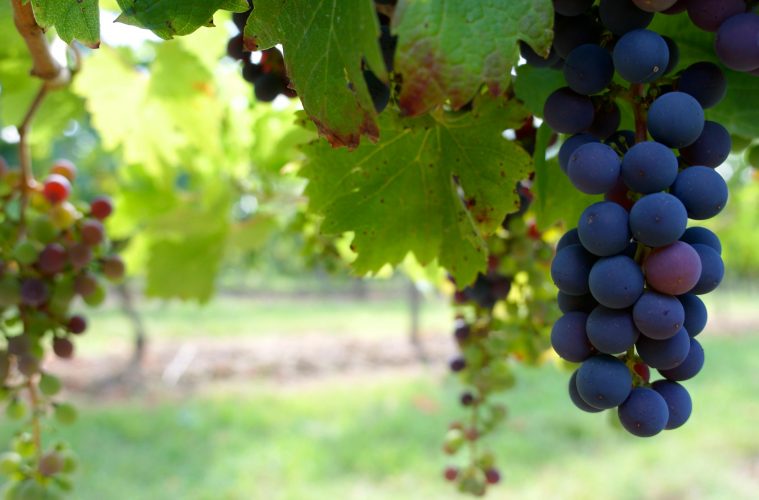
The name is a common term applied to several varieties of miniature grape, most often the Black Corinth, a variety with roots in Greece that has been cultivated for over two thousand years. The berries are typically dark purple to near black when ripe, barely a centimetre in diameter, and virtually seedless, with thin skins and a sweetness that makes them exceptional for fresh eating, garnishing and cooking. Growing them successfully requires consistency and attention, but the results justify the effort.
Understanding what they need
These grapes evolved in the hot, dry summers and mild, wet winters of the Mediterranean, and their preferences reflect that origin closely. They need a long, warm growing season to develop their characteristic sweetness, perform best in warm temperate climates, and require excellent drainage above almost everything else. A site that holds water after rain is unsuitable without significant soil amendment.
Full sun is non-negotiable: at least six to eight hours of direct light daily, with morning sun particularly important for drying dew from the leaves and fruit, which reduces the risk of fungal disease. In very hot climates some light afternoon shade is tolerable, but shade that reduces warmth during the ripening period will compromise flavour. Good air circulation around the vine matters throughout, both for disease prevention and fruit quality.
Planting
Spring is the best time to plant in most climates, giving the vine a full growing season to establish before facing its first winter. Choose the site carefully: champagne grapes are vigorous vines that can reach several metres if left unpruned and need sturdy support structures from the outset. Installing trellises or posts before planting avoids disturbing the roots later and gives the vine something to train onto immediately.
Bare-root vines planted in early spring while still dormant establish well. Dig the planting hole wide enough to spread the roots comfortably without bending them, and avoid planting too deeply. Space multiple vines around two metres apart. Sandy loam is the ideal soil type: well-draining, moderately fertile and with a slightly acidic to neutral pH. Heavy clay soils need serious amendment or raised planting areas, as waterlogged roots are one of the most reliable ways to lose a champagne grape vine.
Watering
Consistent moisture during the growing season supports healthy root development and fruit set, but champagne grapes are not heavy water users and dislike wet soil. Deep, infrequent watering that encourages roots to grow downward is more beneficial than frequent shallow watering. Drip irrigation is the most effective system, delivering moisture directly to the root zone without wetting foliage or fruit.
The most important watering adjustment comes in the weeks before harvest: reducing water around three weeks before picking concentrates sugars in the berries and intensifies their flavour. Too much water during ripening dilutes sweetness and can cause the thin skins to split, which is one of the most common problems with champagne grapes as they approach maturity.
Feeding
Champagne grapes do not need heavy fertilising, and too much nitrogen is actively counterproductive: it drives vigorous leafy growth at the expense of fruit production and quality. A balanced fertiliser applied in early spring is sufficient for established vines. Young vines benefit from light monthly feeding during their first season to support initial establishment, after which annual compost or a spring application of balanced fertiliser is adequate. Stop feeding by midsummer to allow the vine to prepare for dormancy and avoid encouraging frost-susceptible new growth late in the season.
Pruning
Annual winter pruning is the most important maintenance task, and the one most likely to be underestimated. Grapes produce fruit on one-year-old wood, which means the vine needs to be managed each year to maintain a productive balance between old framework and new fruiting growth. Without pruning, vines become overcrowded, fruit quality declines and disease pressure increases as air circulation diminishes.
Prune during the dormant season, removing the unproductive portions of the previous year’s growth and retaining healthy one-year-old canes to carry the next season’s fruit. Summer pruning, removing excess shoots and thinning clusters when the vine is overproducing, improves air circulation and concentrates the vine’s energy into fewer, better-quality bunches. This is particularly important for champagne grapes, where the harvest window is short and the small size of the berries makes them quick to move from perfectly ripe to overripe.
Common problems
Fungal diseases are the most consistent challenge, particularly powdery and downy mildew in humid conditions. Good air circulation through proper pruning, avoiding overhead watering and choosing an open, sunny site reduces risk considerably. In areas where disease pressure is persistent, preventative treatment applied before symptoms appear is more effective than reactive treatment after infection has taken hold.
Birds are a significant practical problem as harvest approaches. The tiny, intensely sweet berries are highly attractive and can be stripped from a vine quickly. Netting draped over the vine as the fruit begins to ripen is the most reliable protection. Overproduction on young vines produces small, poorly flavoured clusters: thinning fruit early in the season, before it develops fully, produces better results from the remaining bunches and is worth the effort of doing consistently.
ALSO SEE:
Featured Image: pexels
