
 Chumasande Matiwane
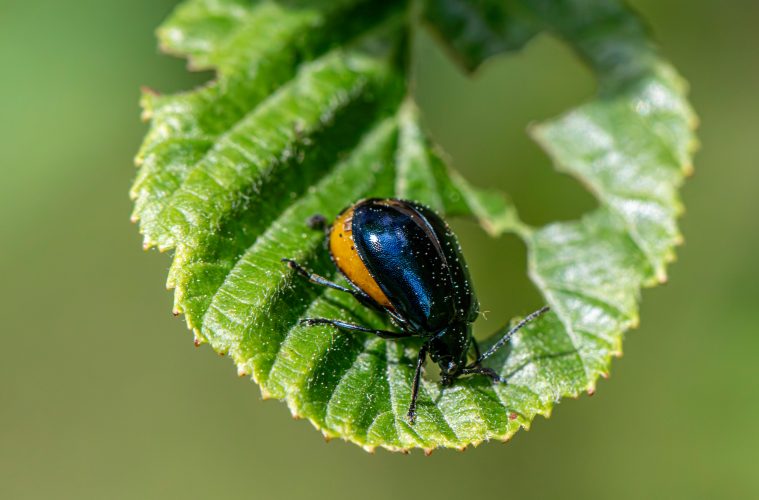
If you have a garden, pests are for sure going to be there. They will come, that is inevitable. From aphids to squirrels, hundreds of animals are dying to get to your harvest before you do. But gardening does not have to feel like a war. There are organic ways to deter pests from your garden.
Let’s explore these chemical organic methods to control garden pests.
Invite natural predators
Every creature that preys on your plants has a natural predator. This predator is part of the food chain. Identify your pests and the wild predators that feed on them. Then, you can either welcome that predator into your garden or pretend it’s already there. Welcoming predators might mean you plant lots of nectar-rich flowers to attract beneficial insects like ladybugs and lacewings if you have an aphid problem. You can also add a bird fountain or feeder to draw in more birds to take care of slugs, snails, and caterpillars.
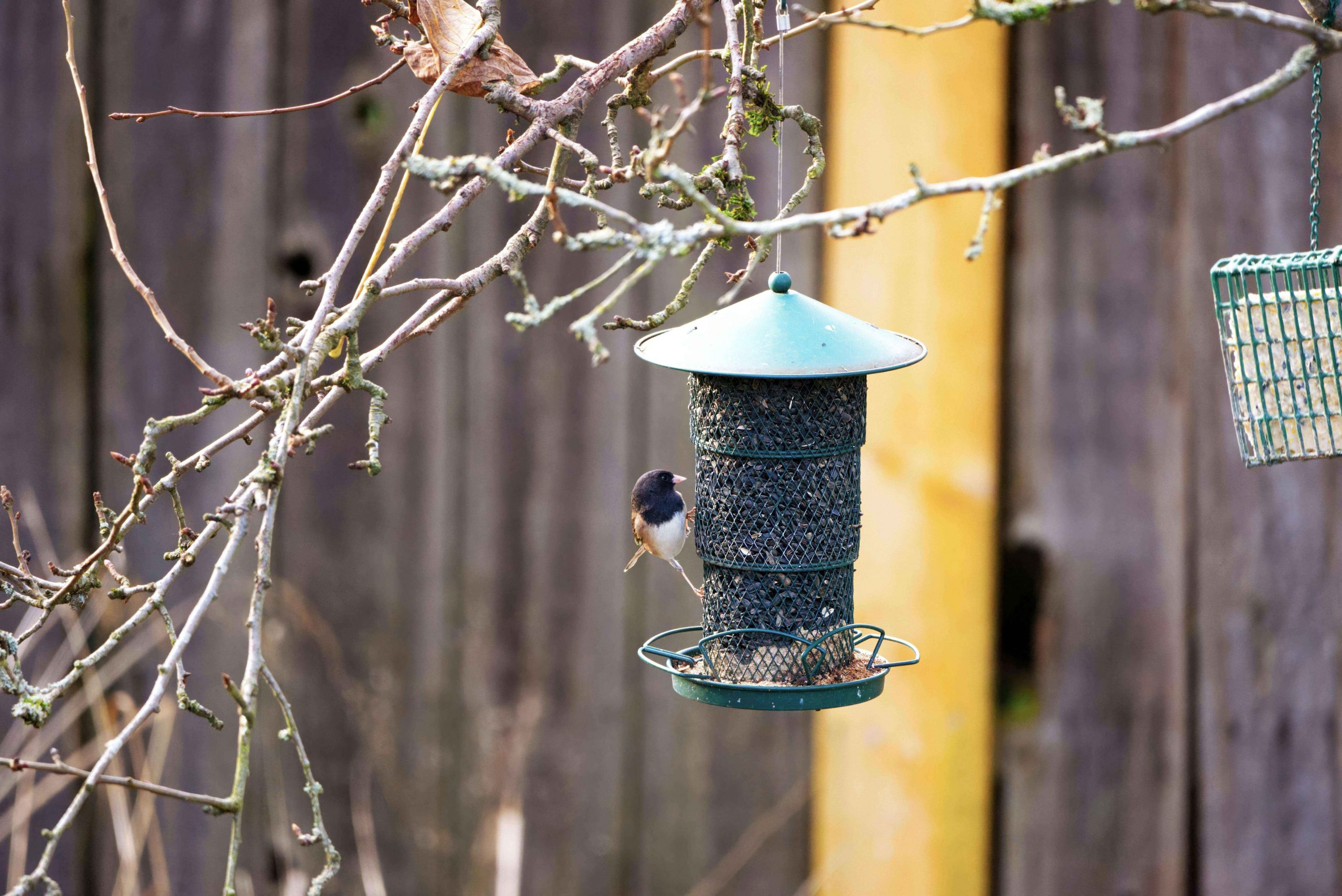
Image Credit: Pexels
Rotate your crops
A lot of gardeners rotate crops every year. The biggest attractors of pests are old plants. As your plants near the end of their growing season, they’re the most susceptible to pests. This is why it’s ideal to get these plants out of the garden as soon as their production slows. Go ahead and plant for next season. Rotating your plants seasonally confuses pests and keeps your garden super healthy.
Practice companion planting
Plant a wider variety of plants in every single garden bed. One of the worst things you can do in the garden when it comes to pest prevention is plant an entire bed with nothing but cabbage or tomatoes. Planting a mix of plants, or companion planting. This is one of the most useful chemical-free solutions to keeping pests at bay and having an overall healthier, more balanced garden.
Prune and harvest regularly
Stepping out to your garden every single day is the best way to notice the very first sign of pests so that you can stop a minor issue before it becomes a major problem. Gardening is not about stressing about pests. When harvesting, check over some plants for pests. It’s easy to remove large pests like caterpillars by hand while you’re harvesting. If you notice leaves in your garden that are visibly damaged by pests, take a couple of seconds to prune those leaves. The culprits are often still hanging out on the leaves, so now you’re thinning their numbers.
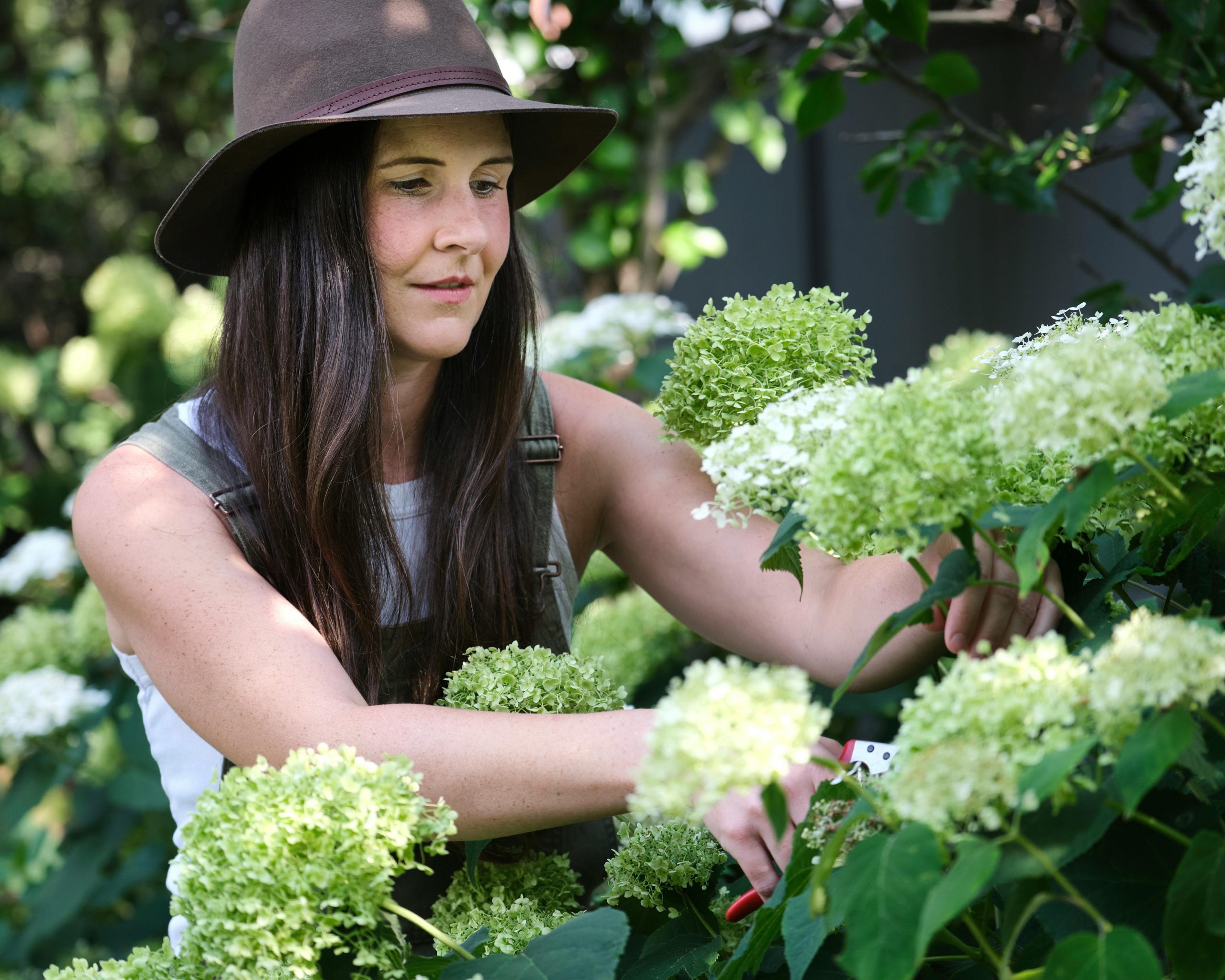
Image Credit: Pexels
ALSO SEE:
Feature Image: Pexels
