
 Jade Mcgee
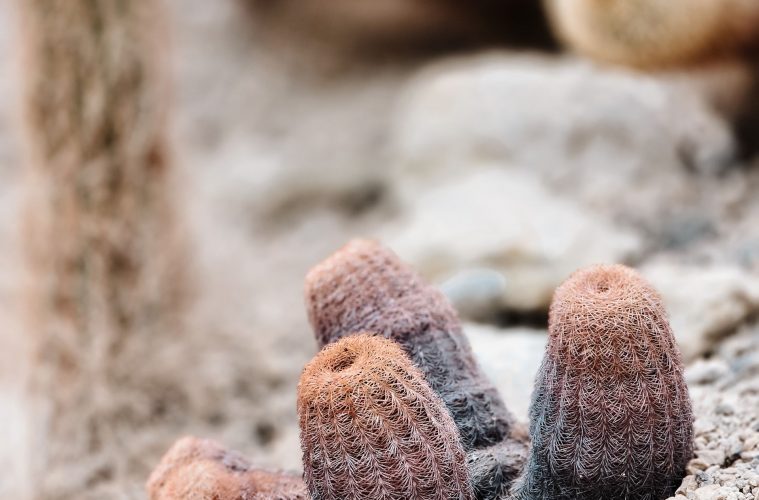
Few small plants make as memorable an impression as the rainbow hedgehog cactus. Its neat, upright form is wrapped in closely spaced bands of pink, red, cream and gold spines, giving it an almost hand-painted appearance. For anyone drawn to sculptural indoor plants, it offers a particularly striking alternative to leafy foliage.
Meet the rainbow hedgehog cactus
Known botanically as Echinocereus rigidissimus, with the colourful form often sold as Echinocereus rigidissimus subsp. rubispinus, this compact cactus comes from dry parts of Mexico and the south-western United States. The stems are usually solitary and cylindrical, and established plants may grow to around 15 to 30 cm tall. The short spines sit close to the ribs, creating distinctive horizontal colour bands. Despite their delicate appearance, the spines can prick, so keep plants where curious hands and pets are unlikely to brush against them.
A mature plant may surprise its owner with large, vivid pink flowers in spring or early summer. Flowering depends on light, age and a suitable cool, dry rest during the colder months; it should be seen as a bonus rather than an annual guarantee.
Give this cactus the right light
Bright conditions are essential for compact growth and colourful spines. A sunny north-facing windowsill is usually a better starting point locally than the south-facing position often suggested in overseas guides. East-facing positions can also work if the plant receives ample light. Introduce a newly purchased cactus to intense direct sun gradually, particularly during hot summer afternoons, to prevent scorch.
A sheltered outdoor position can be suitable in frost-free areas if rainfall is controlled. Where winters are cold or rain is frequent, keeping the plant in a movable pot makes it easier to protect.
Water sparingly and prioritise drainage
The quickest way to lose a rainbow hedgehog cactus is to let its roots sit in wet compost. Choose a container with drainage holes and fill it with a gritty cactus mix. Adding mineral ingredients such as coarse grit, pumice or perlite helps water pass through rather than lingering around the roots. Ordinary garden soil alone is often too dense for a pot.
During active spring and summer growth, water thoroughly, let excess moisture drain away, and wait until the mix is completely dry before repeating. In winter, reduce watering considerably, especially if the plant is resting in a cool room. A rigid calendar is less useful than checking both the soil and the season.
Repotting and dealing with problems
Repot only when the plant has outgrown its container or the growing medium has deteriorated. Spring is a sensible time. Wear thick gloves, support the stem with folded newspaper and avoid damaging roots. If roots are disturbed or cut, allow them to dry and recover for several days before watering.
Inspect occasionally for white, cottony mealybugs, scale insects and fine webbing from spider mites. A soft brush can help with careful inspection among the spines. Dark, soft tissue around the base suggests rot and calls for immediate action to improve drainage. With the right balance of light and restraint, this little cactus can be a long-lived, colourful addition to a collection.
