
 Jade Mcgee
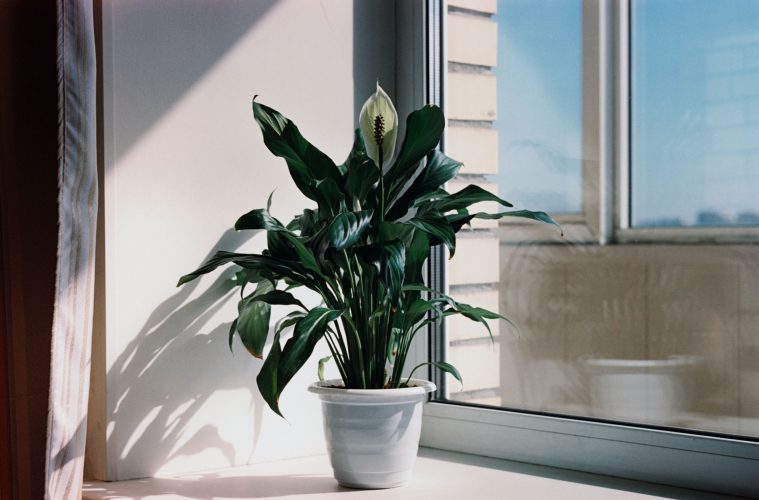
Few houseplants look as calm and composed as a healthy peace lily. With glossy green leaves and elegant white spathes rising above the foliage, Spathiphyllum earns its place as a classic indoor plant. It is also forgiving enough for beginners, provided you get a few basics right.
The biggest mistake is treating a peace lily as a low-light plant that can live anywhere. It will survive in dimmer corners, but stronger growth and flowering come from brighter filtered light, consistent moisture and warm, stable conditions.
Give it bright, indirect light
Peace lilies naturally grow beneath a tropical canopy, so they prefer plenty of light without harsh direct sun on the leaves. In a South African home, a bright room with filtered light is ideal. A north-facing window can be too intense if the plant sits right against the glass, especially from late spring into summer, so move it back from the window or soften the light with a sheer curtain. East-facing light is often gentler.
Too little light usually means slower growth and fewer flowers. Too much direct sun can bleach or scorch the leaves. If the plant is healthy but has not flowered for months, light is one of the first things to reassess.
Water thoroughly, then let the top layer dry
Peace lilies like evenly moist compost, but they do not want to stand in water. Water thoroughly when the top few centimetres of potting mix feel dry, then allow excess water to drain away. Empty the saucer or decorative cover pot rather than leaving the roots sitting in water.
The dramatic droop peace lilies are known for is often a sign that the plant is thirsty, but repeatedly waiting for a full collapse stresses the plant. At the other extreme, constantly saturated soil can lead to yellowing leaves and root problems.
Keep temperatures warm and steady
These are tropical plants, so they appreciate warmth and moderate humidity. Keep them away from cold draughts, heaters and blasting air-conditioning. In dry inland homes, grouping plants together or running a humidifier nearby can help. There is no need to mist constantly, and wet foliage left in poor airflow can create its own problems.
Feed lightly during active growth
During spring and summer, when the plant is actively producing new leaves, a diluted balanced houseplant fertiliser every four to six weeks is enough for most peace lilies. More is not better. Excess fertiliser can leave salts in the potting mix and cause brown leaf tips. Reduce feeding when growth slows in cooler, darker months.
Repot when the roots are crowded
Peace lilies do not need a huge pot. Repot when roots are circling densely, pushing through drainage holes or the plant dries out unusually quickly. Move up only one pot size and use a free-draining indoor potting mix. A container with drainage holes is essential.
What brown tips and yellow leaves can mean
Brown tips can come from dry air, irregular watering, fertiliser salts or water quality. Yellow leaves may simply be old leaves ageing naturally, but several yellow leaves at once can point to overwatering. Rather than reacting with more water or fertiliser, check the soil, drainage and light first.
A note for pet owners
Peace lilies are not true lilies, but they are still not pet-safe. Their tissues contain insoluble calcium oxalate crystals that can cause mouth irritation, drooling, vomiting and difficulty swallowing if chewed by cats or dogs. Keep the plant out of reach of curious pets and small children.
With bright filtered light, measured watering and a little warmth, a peace lily can stay handsome for years. The goal is not constant fussing, but a stable routine that lets the plant settle into its rhythm.
ALSO SEE:
Featured Image: Pexels
