
 Chumasande Matiwane
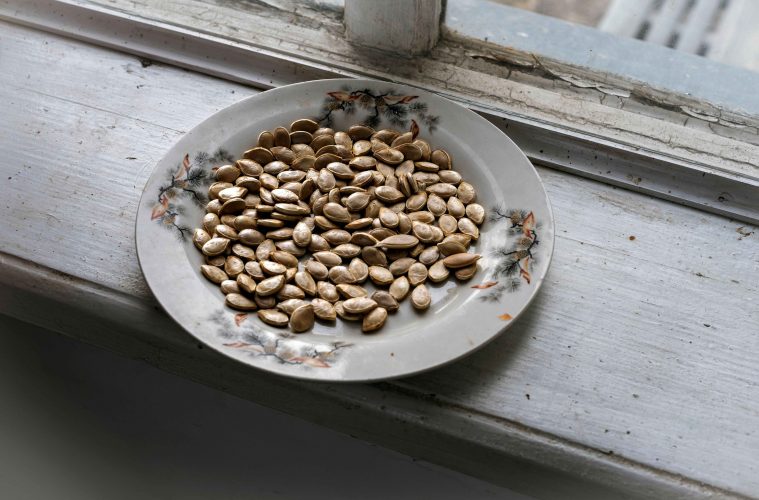
Winter is often seen as a quiet season in the garden, but for seed savers, it is one of the most important times of the year. While the beds may be resting, the work of preserving next season’s harvest is already underway.
Seed saving not only reduces gardening costs but also helps preserve locally adapted varieties, improves resilience, and strengthens food security.
Why should you continue saving seeds?
Every seed saved becomes better adapted to your local climate and growing conditions. Plants that thrive in your garden produce seeds that are naturally selected for your environment. So over time, this can lead to healthier plants, improved yields, and greater resistance to local pests and diseases.
This is why saving seeds also protects heirloom varieties that may not be widely available commercially and ensures you always have planting material ready for the next season.
Seeds worth continuing to save this winter
When saving seeds, save the right ones; ensure the seed heads are completely dry when saving them.
- Beans
- Peas
- Lettuce
- Pumpkins and Squash seeds
- Peppers
- Tomatoes
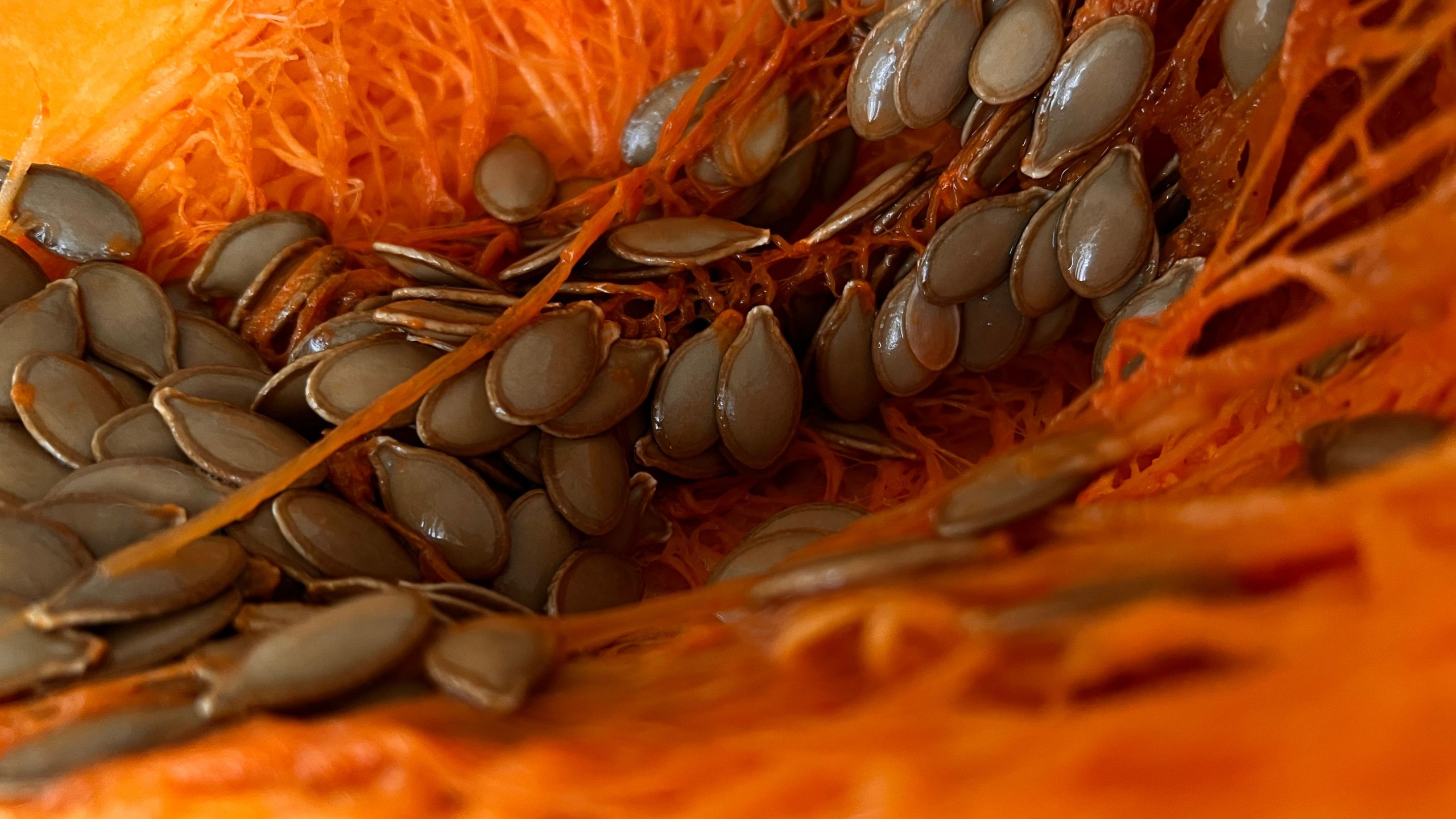
Image Credit: Pexels
Winter seed storage tips
Proper storage is just as important as careful harvesting.
- Keep seeds cool, dry, and away from direct sunlight.
- Store them in labelled paper envelopes before placing them in airtight jars or containers.
- Include the variety name and collection date on every packet.
- Add a small silica gel packet or a little dry rice to absorb excess moisture.
- Check stored seeds occasionally for signs of mould or insect damage.
So, before this winter ends, take the time to organise your seed collection, protect what you’ve harvested, and prepare for another productive growing season. The seeds you save today will become tomorrow’s thriving garden.
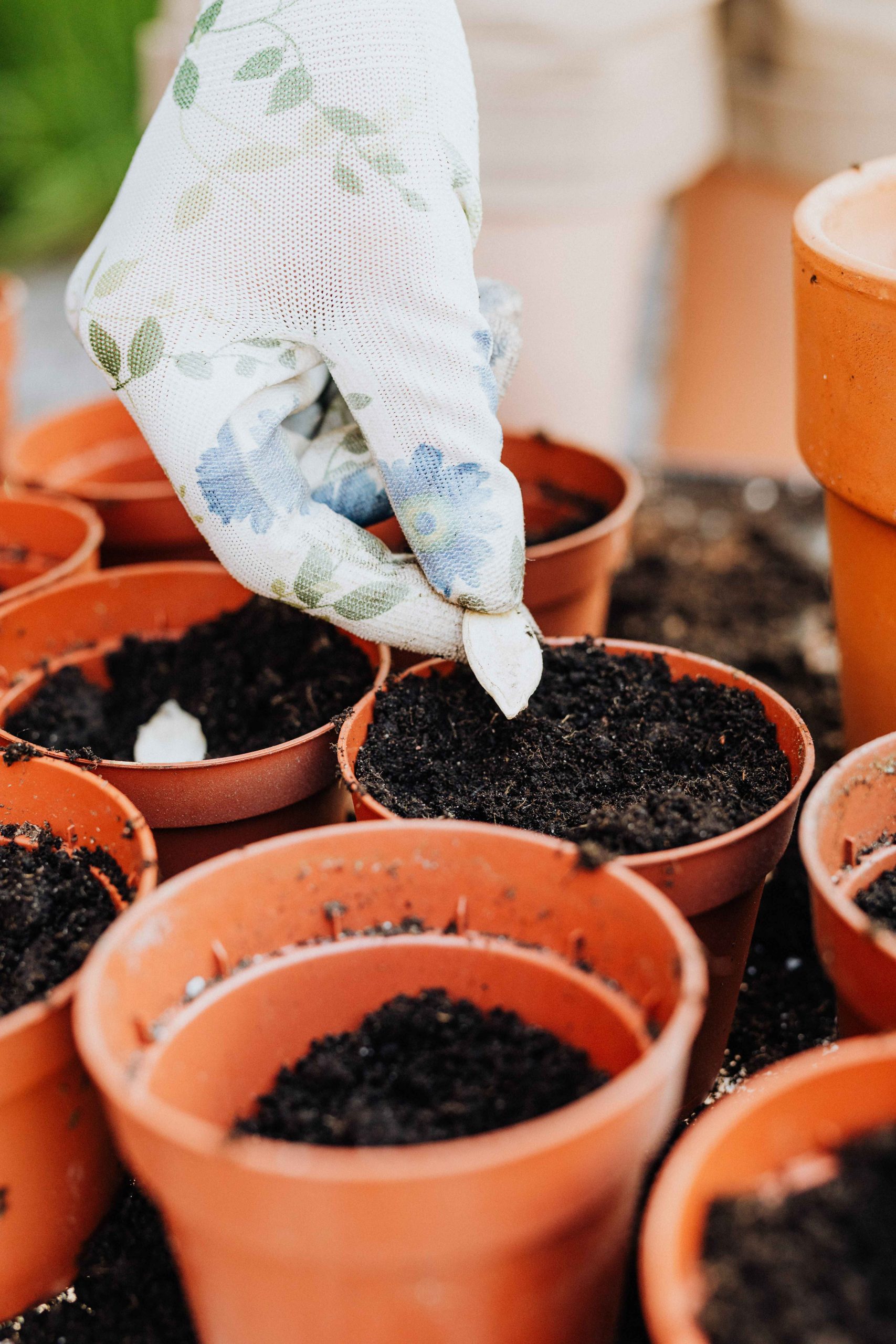
Image Credit: Pexels
ALSO SEE:
Feature Image: Pexels
