
 Maegan-Leigh Jacobs
The old-world wall finish making modern homes feel effortlessly chic.
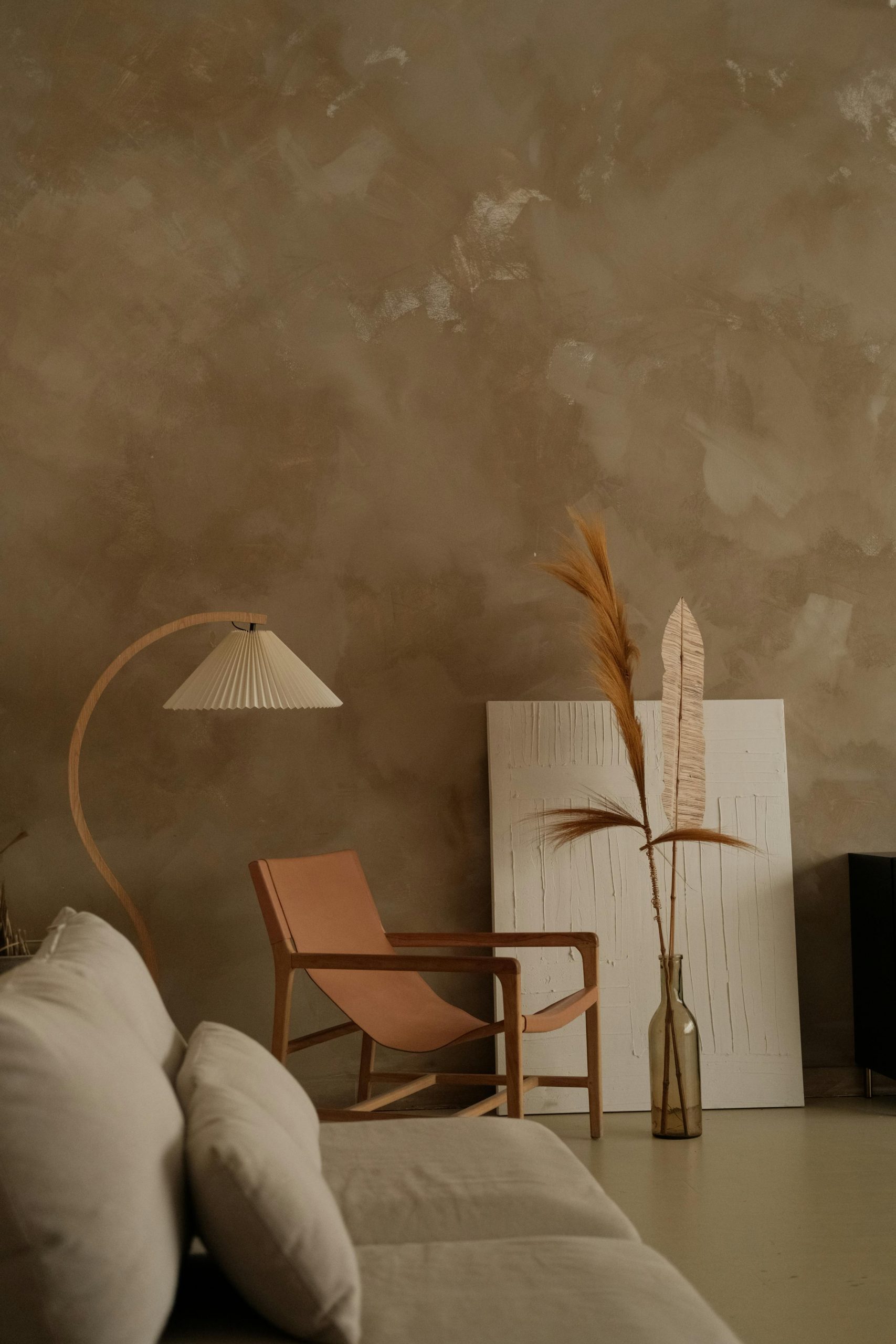
Flat paint had its moment. High gloss had its drama. But if your walls are craving a little soul, limewash paint might just be the answer. Soft, cloudy and beautifully imperfect, this centuries-old finish is having a serious design revival – and for good reason.
Limewash brings depth, texture and that “how is this room so calm?” feeling that ordinary paint can struggle to deliver. It’s timeless, tactile and just the right amount of rustic. Think Mediterranean villa meets contemporary sanctuary.
Here’s everything you need to know before giving your walls the limewash treatment.
What is limewash paint?
Limewash is a mineral-based paint made from crushed limestone mixed with water and natural pigments. Once applied, it creates a velvety, matte finish with subtle movement and tonal variation.
Unlike standard paint, which sits uniformly on the wall, limewash reacts with the surface beneath it. The result? A soft, layered look that feels organic and lived-in. It has been used for centuries on buildings throughout Europe and beyond, which explains why it carries that charming old-world appeal.
Pexels
Why everyone loves it
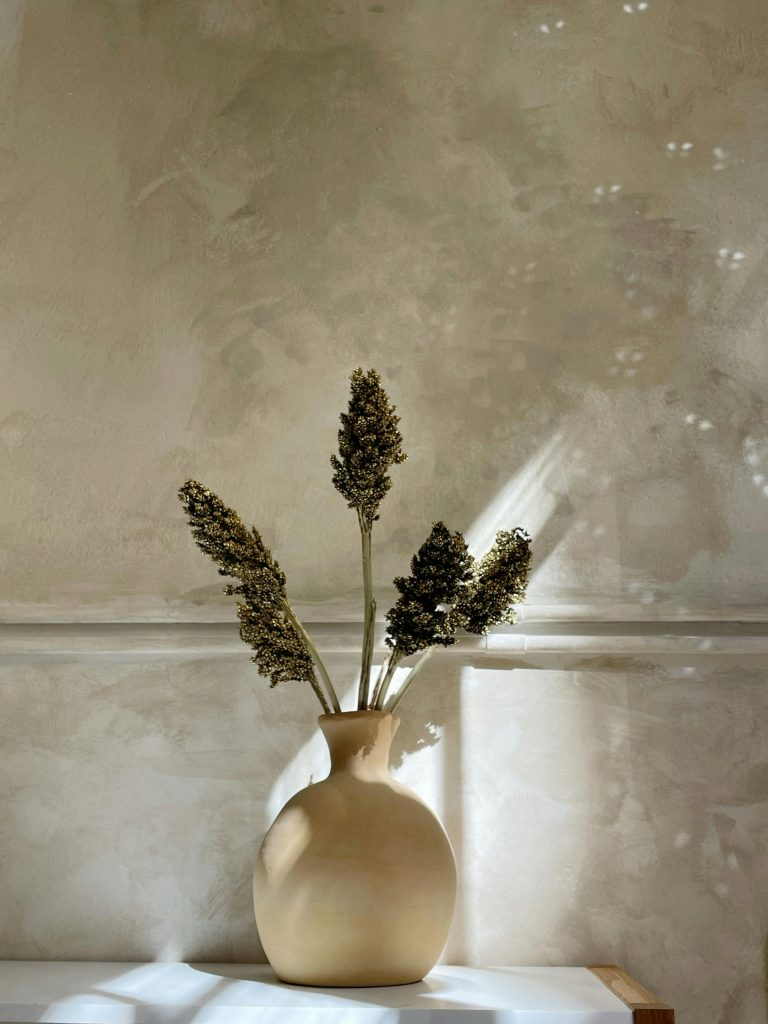
There’s something undeniably romantic about limewash. It doesn’t look too polished or overly perfect – and that’s exactly the point.
It adds texture without clutter: Even the simplest room feels richer when the walls have dimension.
It works with natural interiors: Limewash pairs beautifully with wood, stone, linen, rattan and earthy finishes.
It ages gracefully: Scuffs and subtle marks often blend into the finish rather than stand out.
It feels timeless: Trends come and go, but limewash always feels relevant.
A few things to consider: Before you race for a paintbrush, know this: limewash has personality.
Colour can vary: The shade may shift slightly depending on lighting, wall texture and application style.
It isn’t ultra-uniform: If you love crisp, flawless walls, this may not be your match.
Touch-ups need care
Because of the layered finish, patching one small spot can be trickier than standard paint.
In short: perfectionists may need to loosen the reins.
Where limewash works best
Limewash shines in spaces where atmosphere matters most.
- Living rooms: Creates warmth and softness without needing bold décor.
- Bedrooms: The muted finish feels calm, cocooning and restful.
- Dining rooms: Adds instant mood and understated elegance.
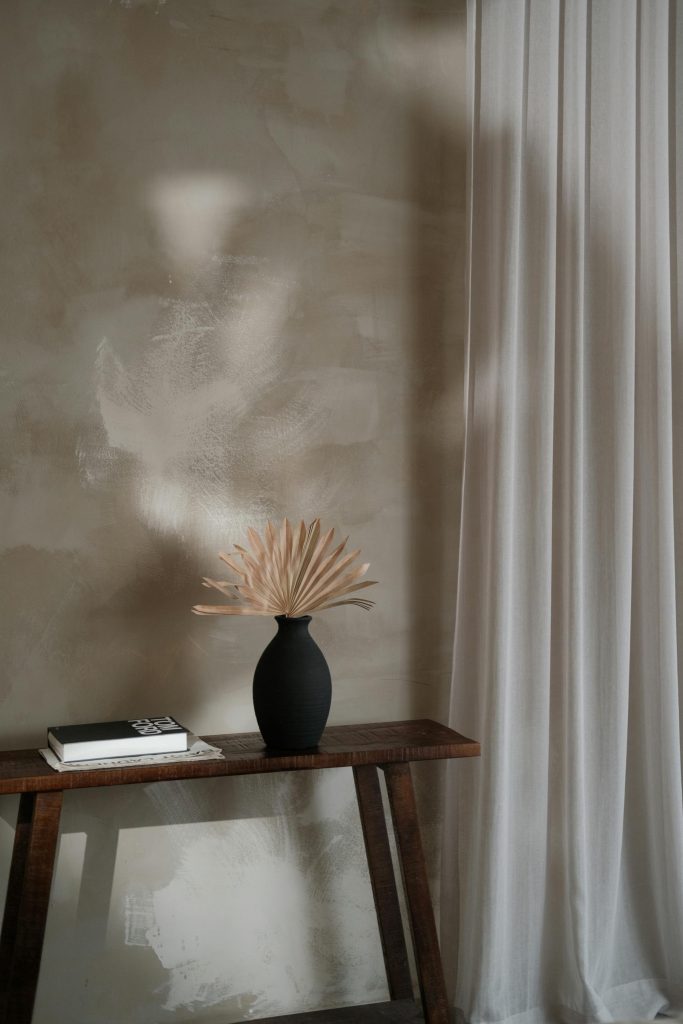
- Entryways: Makes a strong first impression – quietly.
Pexels
It also works beautifully on fireplaces, feature walls and exterior surfaces, depending on the product used.
How to apply limewash paint
Some brands offer ready-to-use versions, while others require mixing. Always follow product instructions, but the general process looks like this:
1. Prep the wall: Clean the surface and repair any cracks or holes.
2. Prime if needed: Many modern limewash paints need a special primer, especially previously painted walls.
3. Apply in layers: Use a brush in criss-cross or sweeping motions. This is where the texture develops.
4. Let it dry naturally: The finish often softens and evolves as it dries.
5. Step back and admire: Preferably with coffeein hand.
Best colours for limewash
Neutrals remain the classics for good reason. They highlight the movement in the finish and suit almost any style.
Try:
- Warm white
- Mushroom beige
- Soft greige
- Dusty olive
- Clay pink
- Smoky blue
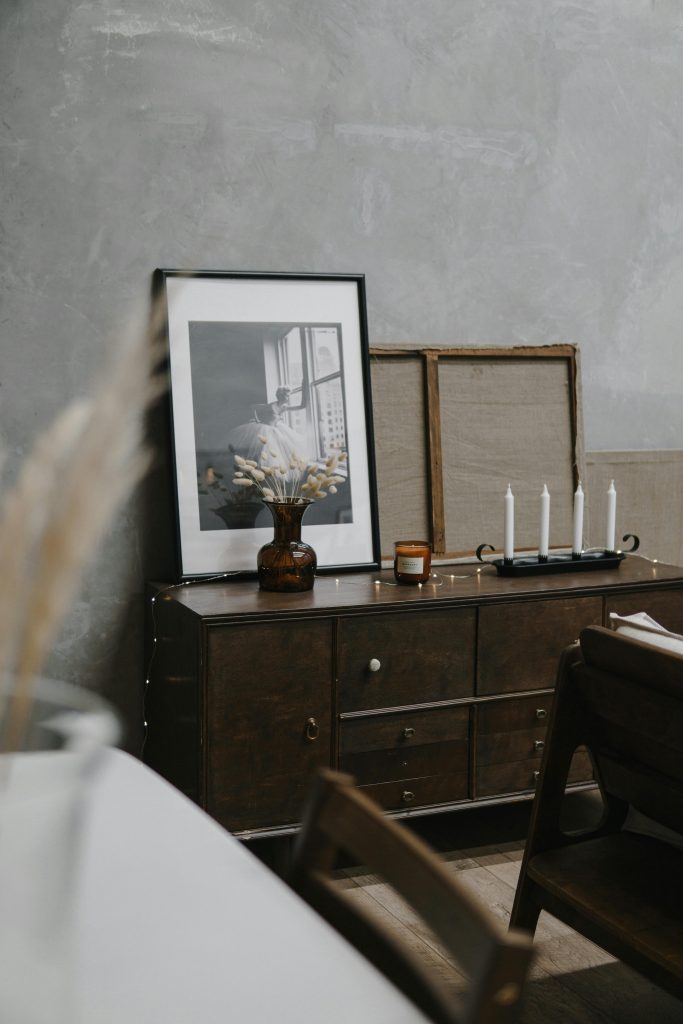
- Charcoal
Want drama? Deep tones in limewash can feel moody and luxurious rather than heavy.
Pexels
Styling tips for a limewashed room
To make the most of the finish, lean into natural textures and layered simplicity. Keep the palette relaxed and let the walls do the talking.
Pair with:
- Linen curtains
- Timber furniture
- Handmade ceramics
- Woven baskets
- Vintage pieces
- Plenty of greenery
Is limewash worth it?
If you want a home that feels curated, calm and full of character, absolutely. Limewash offers something regular paint often cannot: atmosphere.
It’s subtle but striking. Understated but memorable. And in a world of flat finishes, that soft chalky texture feels wonderfully refreshing. Because sometimes the best walls aren’t perfect – they’re interesting.
ALSO SEE: WHAT IS MILK PAINT? DISCOVER WHY ITS THE BEST CHOICE TO GET A RUSTIC LOOK IN YOUR HOME
What is milk paint? Discover why its the best choice to get a rustic look in your home
