
 Maegan-Leigh Jacobs
There was a time when lighting meant one thing: switch on, flood the room, carry on. Bright, even, practical. Job done.
Now? We’re dimming things down, softening the edges, and letting light behave a little more like mood than machine. Lighting is no longer just about seeing your space – it’s about feeling it.
Light as an experience, not a fixture
We’ve moved past the idea of a single overhead light doing all the heavy lifting. Instead, homes are being lit like scenes – layered, intentional, a little bit theatrical.
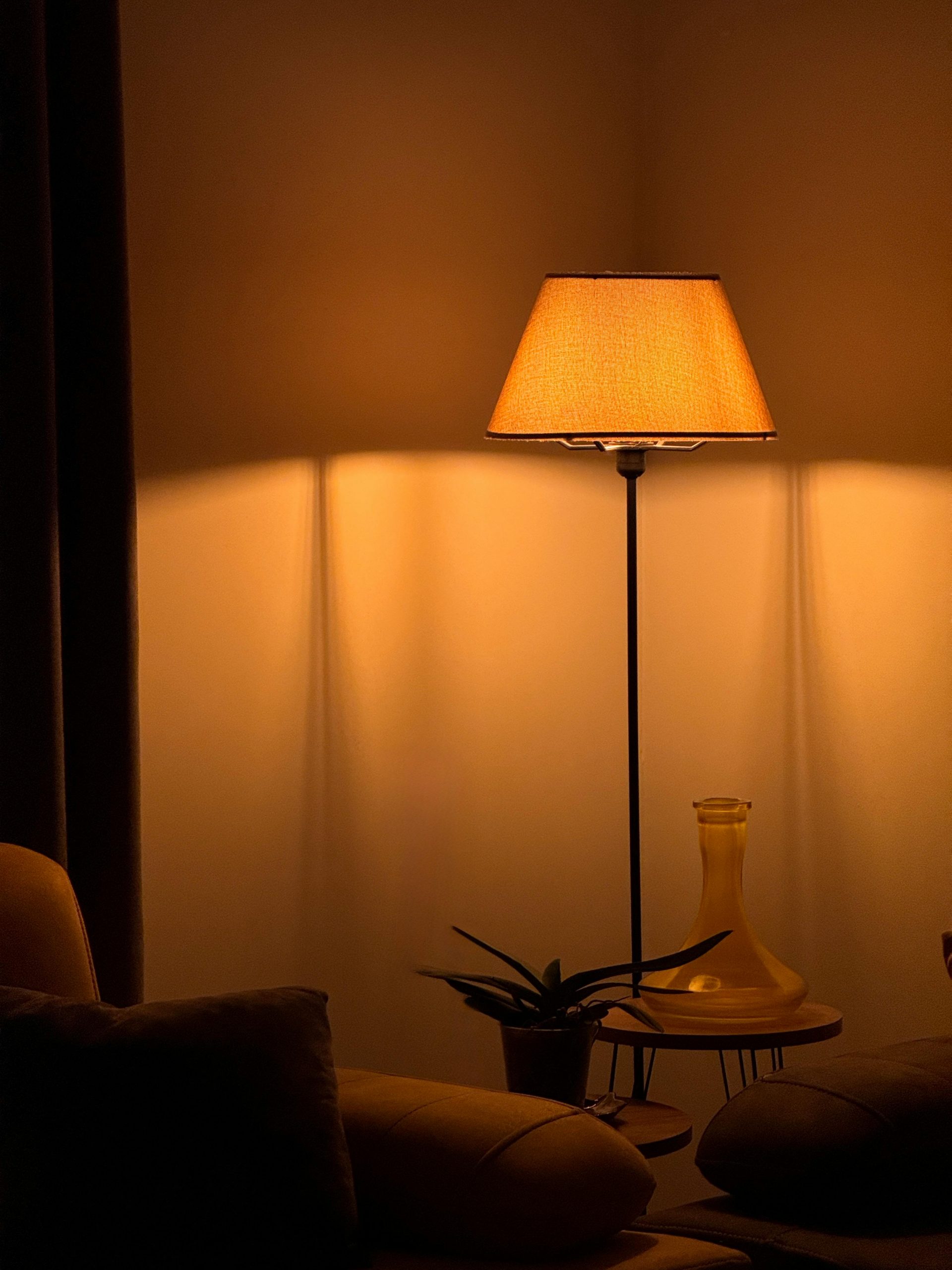
Think pools of glow instead of blanket brightness. A reading lamp tucked into a corner. A soft wash along a wall. A pendant that casts shadows as much as it casts light.
It’s less “turn everything on” and more “what does this room need right now?”
The result is a home that shifts with you – calm in the morning, cocooned at night, and quietly dramatic in between.
Taking cues from nature
Step outside at sunset and you’ll get it instantly: light isn’t static. It moves, softens, warms, fades. That’s the feeling we’re trying to bring indoors.
Natural materials are leading the way – woven fibres, wood, stone, glass – all working to diffuse and soften light rather than sharpen it. Fixtures feel less manufactured and more like they belong.
There’s also a gentle blur happening between inside and out. Lighting is starting to echo the natural world, turning homes into spaces that restore rather than overstimulate.
The beauty of less
After years of living with power cuts and candlelit evenings, many South Africans have realised something surprising: we don’t actually need that much light.
In fact, less light often feels better.
Design is shifting towards restraint – fewer sources, more intention. Light is being concealed, tucked away, or reflected rather than exposed. Shadows are no longer a problem to fix, but a feature to embrace. Not everything needs to be lit equally. The eye is drawn where it matters – artwork over a coffee table, a textured wall over a blank one.
It’s a quieter, more thoughtful way of living.
Pexels
Flexible, moveable, rechargeable
Lighting is also becoming more adaptable. Gone are the days of committing to fixed fittings in every corner.
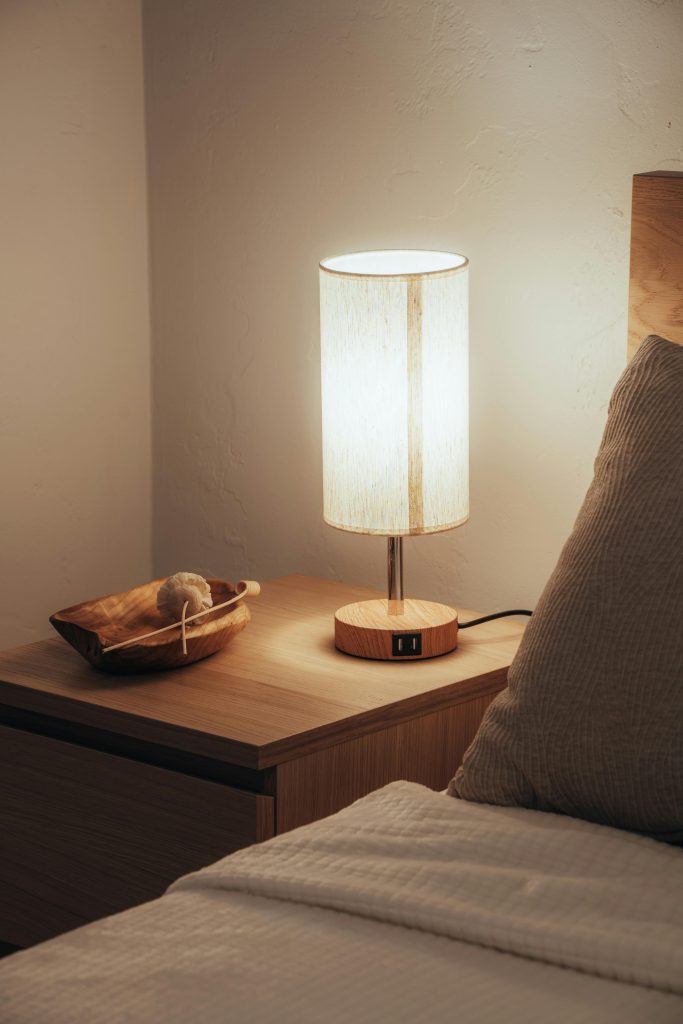
Rechargeable lamps, portable lights, and solar-powered options are making it easier to move light where you need it – no rewiring required. It’s practical, yes, but also a little freeing.
Rooms can change. Setups can shift. Your lighting can follow.
Sustainability, but make it lasting
Energy-efficient LEDs are now a given, but the conversation has moved beyond just saving power.
There’s a stronger focus on longevity – choosing pieces that won’t date quickly, materials that can be reused, and designs that feel timeless rather than trend-driven.
It’s about buying less, but better. Lighting that earns its place and stays there.
Lighting for how you feel
Perhaps the biggest shift is this: lighting is starting to support how we live, not just how we see.
Soft, warm tones in the evening help the body wind down. Brighter, cooler light in the morning encourages alertness. It’s all about working with your natural rhythm instead of against it.
Smart and adaptive systems are making this easier, adjusting throughout the day without much effort. But even without tech, simple changes – like dimmers or layered lamps – can transform how a space feels.
Homes are becoming places of rest and reset, and lighting is quietly leading that change.
We’re no longer just lighting rooms.
We’re shaping atmosphere, mood, and memory – one gentle glow at a time.
ALSO SEE: SIMPLE WAYS TO IMPROVE THE LIGHTING IN EVERY ROOM OF YOUR HOME
Simple ways to improve the lighting in every room of your home
