
 Maegan-Leigh Jacobs
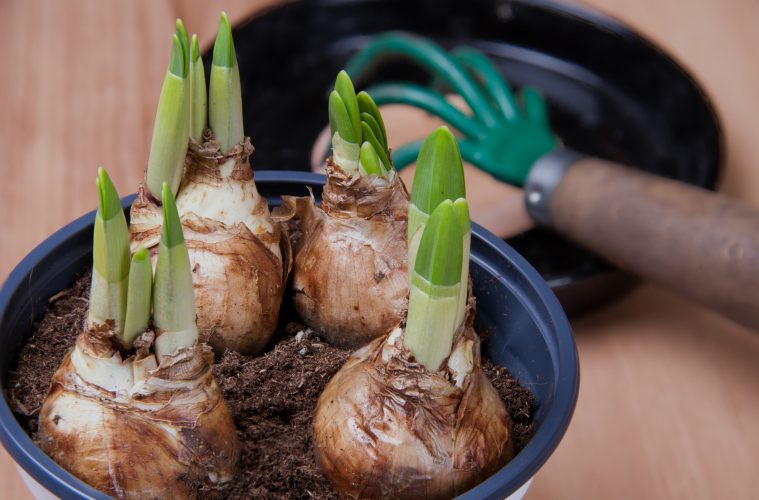
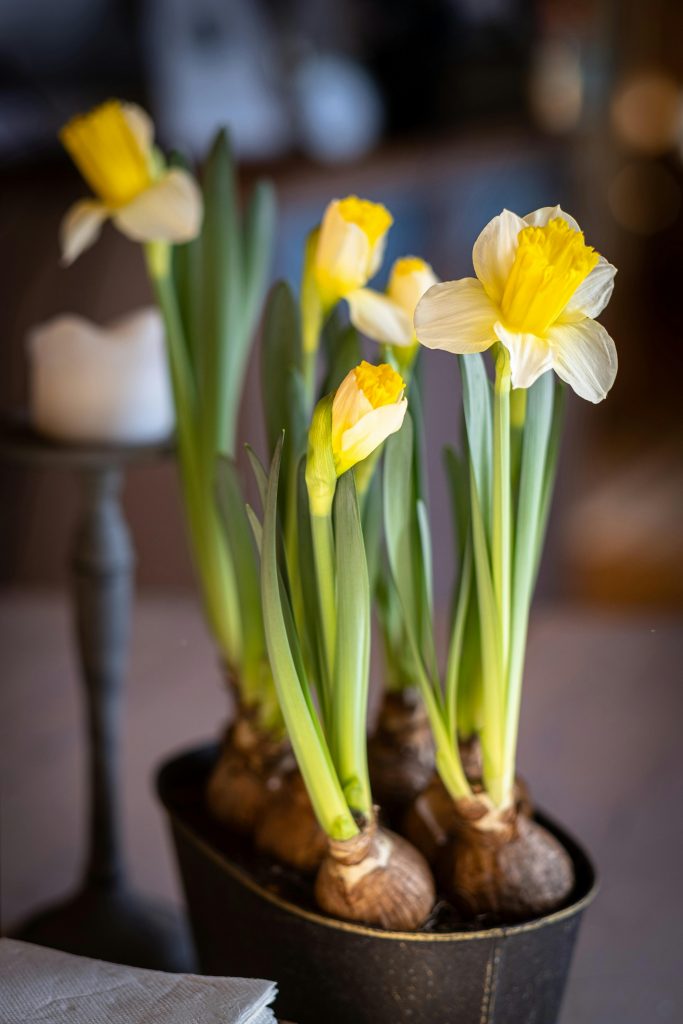
There’s something quietly magical about bulbs. One minute your garden is winding down for winter, the next – come spring – they’re back, bigger, brighter, and showing off like they’ve been planning it all along.
But here’s the secret: that spring performance starts now. A little care before winter sets in can mean the difference between shy blooms and a full-on floral encore.
Know which bulbs need a winter getaway
Not all bulbs are built the same. The sturdy types – think tulips and daffodils – are happy to brave the cold tucked underground. But the softer, more tropical varieties? Not so much.
Dahlias, cannas, begonias and gladiolus prefer a winter indoors. Left in cold, damp soil, they’re likely to rot or freeze. Lift them, store them, and they’ll reward you next season with even better blooms.
Timing is everything
Wait for that first proper chill – the moment when leaves turn limp, brown and a little sorry for themselves. That’s your cue.
Don’t rush it. The foliage feeds the bulb for next year’s growth, so let it die back naturally before stepping in. Once it has, you’re good to dig.
Dig gently, like you mean it
This is not the time for aggressive gardening.
Use a garden fork and loosen the soil around the plant rather than digging straight down. Bulbs multiply and expand, so they’re often bigger than you remember. Lift them carefully, shake off the soil, and resist the urge to scrub too hard.
A light clean is all they need.
Let them dry out (properly)
Before storage, bulbs need a moment to breathe.
Lay them out in a warm, dry, well-ventilated spot – somewhere out of direct sun – for about a week. You’re aiming for dry skins and firm flesh. If they still feel damp, give them more time. Moisture is the enemy here.
Store them like a pro
Think cool, dark and airy. That’s the winning trio.
Pop your bulbs into a cardboard box, crate or even a paper bag. Layer them with something dry – shredded newspaper, sawdust, or coconut coir all work beautifully. This keeps them separated and helps absorb any lingering moisture.
Avoid plastic containers. If air can’t circulate, trouble follows.
Pexels
Find the perfect winter spot
A garage, shed or spare room can work wonders – as long as it stays cool but doesn’t freeze. You’re aiming for a space that feels crisp, not icy.
Darkness helps keep bulbs dormant, while good airflow prevents mould. It’s a delicate balance, but once you’ve got it right, your bulbs will happily nap through winter.
A quick monthly check-in
Set a reminder and do a quick bulb inspection every few weeks.
If anything looks soft, mouldy or suspicious, remove it straight away. One bad bulb can spoil the rest, and no one wants that kind of drama in storage.
Bulb-by-bulb basics
A few favourites, a few quirks:
- Dahlias like to be dried thoroughly and stored in something like sawdust or sand. Keep them cool and check them regularly.
- Gladiolus prefer paper bags once dried – simple and breathable.
- Begonias need a gentle clean and a dry rest before being packed away.
- Cannas can be dried for a few days, then tucked into a box with loose, dry material.
- Each has its personality, but the golden rule stays the same: dry, cool, and well-ventilated.
Common slip-ups to avoid
A few easy mistakes can undo all your effort:
- Packing bulbs away before they’re fully dry
- Using sealed containers (they need airflow)
- Storing them somewhere too warm
- Forgetting to label them – trust us, they all look the same later
- Ignoring them all winter
A little attention now saves a lot of disappointment later.
Bulb storage isn’t complicated – it just asks for a bit of patience and a light touch. Do it right, and come spring, your garden won’t just wake up… it’ll burst back to life like it never left.
ALSO SEE: WHEN AND HOW TO DIVIDE YOUR BULBS FOR OPTIMAL GROWTH
