
 Chumasande Matiwane
With autumn well underway, the yearly task of raking is likely to become a priority for many gardeners. Just one medium-sized deciduous tree can produce a large pile of leaves large enough to ‘swim’ in, and the size of that pile only expands with the number of trees in your garden.
However, fallen leaves can be reused throughout your garden in several ways, each one improving the health of the living plants in your garden.
Mulch
Using autumn plant leaves as mulch is an incredibly effective method for the growth and health of your plants. It is a super simple activity to do and comes with a wide range of benefits.
Fallen leaves play an important role in protecting the soil as plants grow. Over time, they break down and contribute to improved soil health. These leaves help retain moisture and enhance soil quality. However, if there are too many leaves, they can block water and air from reaching the soil, depriving plant roots of their essential needs. A thick layer of leaves can also trap excess moisture in the soil, leading to root rot. Therefore, it’s important to be careful about how you use fallen leaves for your other plants.
Compost
Every gardener needs a compost pile, not only because it’s a great way to manage your garden waste and give back to your garden, but also because it provides an ideal home for your dried autumn leaves.
A good compost bin requires a mix of green materials filled with nitrogen-rich and brown materials with carbon-rich components. The falling autumn leaves are great for gardeners, as you can use the giant pile of dried leaves in your garden and backyard. Dried fallen leaves are one of the best carbon-rich materials to add to your compost bin.

Image Credit: Pexels
Soil amendments
Depending on the layout of your garden, you may not have to rake up any of the fallen leaves. If the leaves fall straight onto bare soil, you can just work them back into the soil to decompose right where they land. This added organic material improves aeration and nutrients as it breaks down over time.
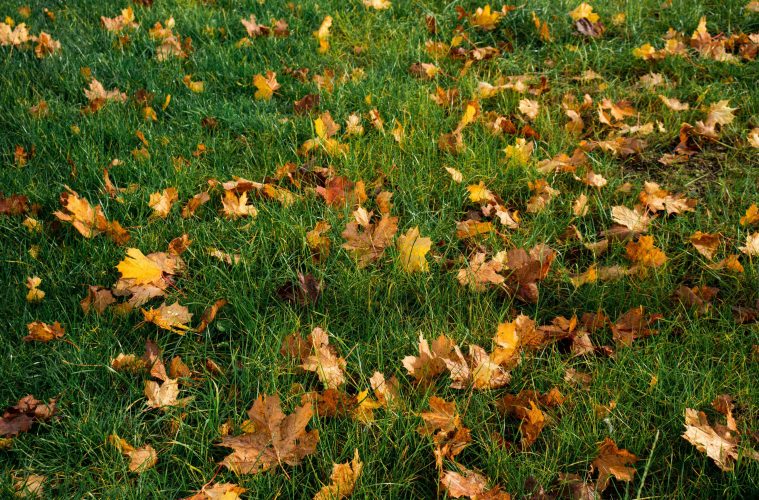
The same practice can be applied to pesky leaves that land on your lawn. Instead of raking the leaves, leave them in place and simply mow your lawn. The leaves will break into fine pieces among the grass, covering any gaps and helping retain moisture in the soil. The leaves will break down into the soil over time, improving the overall quality of your lawn or garden.
ALSO SEE:
Feature Image: Pexels
