
 Maegan-Leigh Jacobs
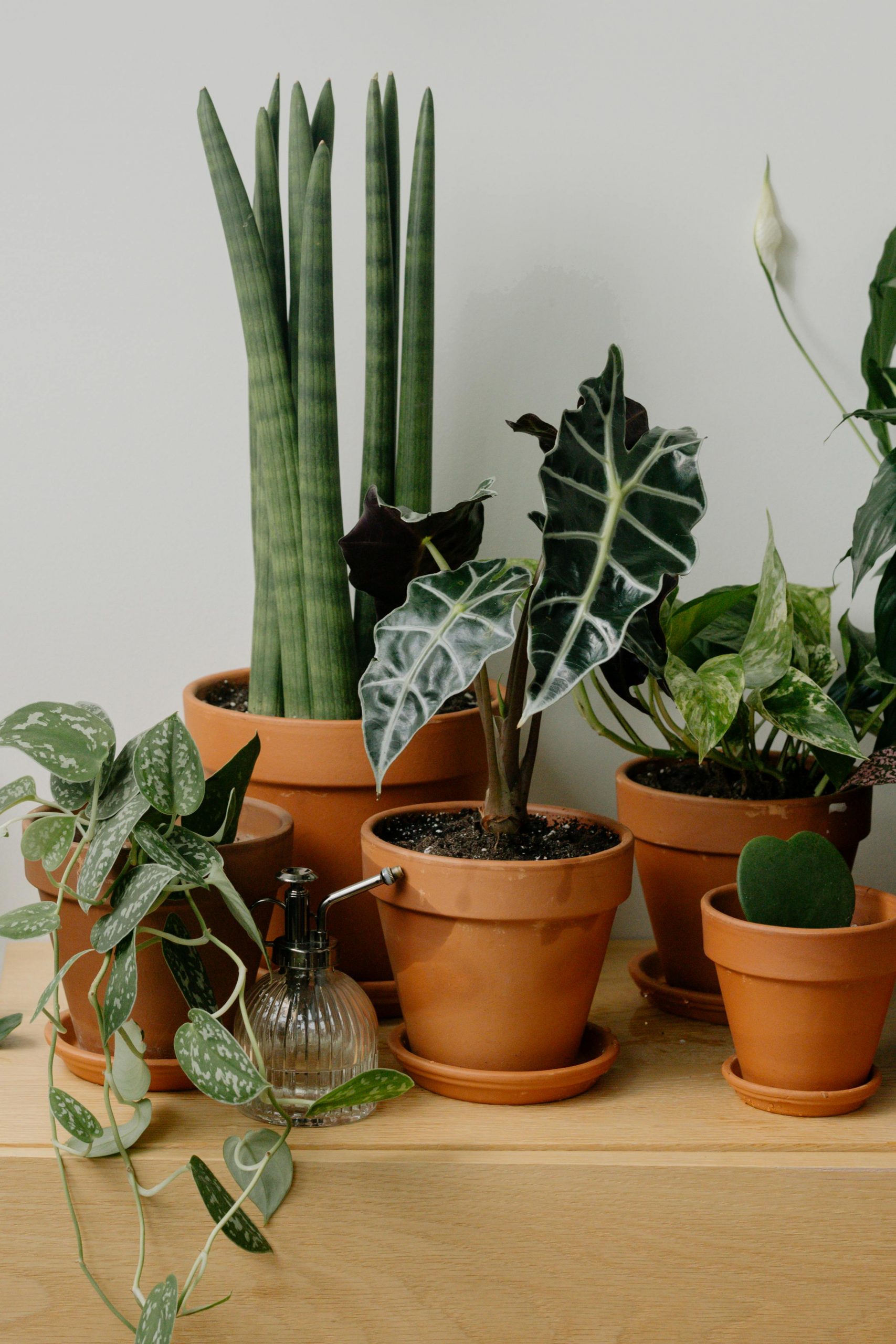
Terracotta pots have a way of making every plant feel a little more at home.
They’re timeless, breathable, and effortlessly charming – but they’re not entirely foolproof. In fact, a few small missteps can leave your plants looking less than perky.
If your leafy friends aren’t thriving the way you’d hoped, your pot might be the problem. Here’s how to avoid the most common terracotta troubles – and keep your garden growing happily.
Skipping the soak
Fresh terracotta is thirsty. Because it’s so porous, it pulls moisture from the soil almost immediately – especially after planting. That sudden dryness can stress new plants before they’ve even settled in.
What to do instead:
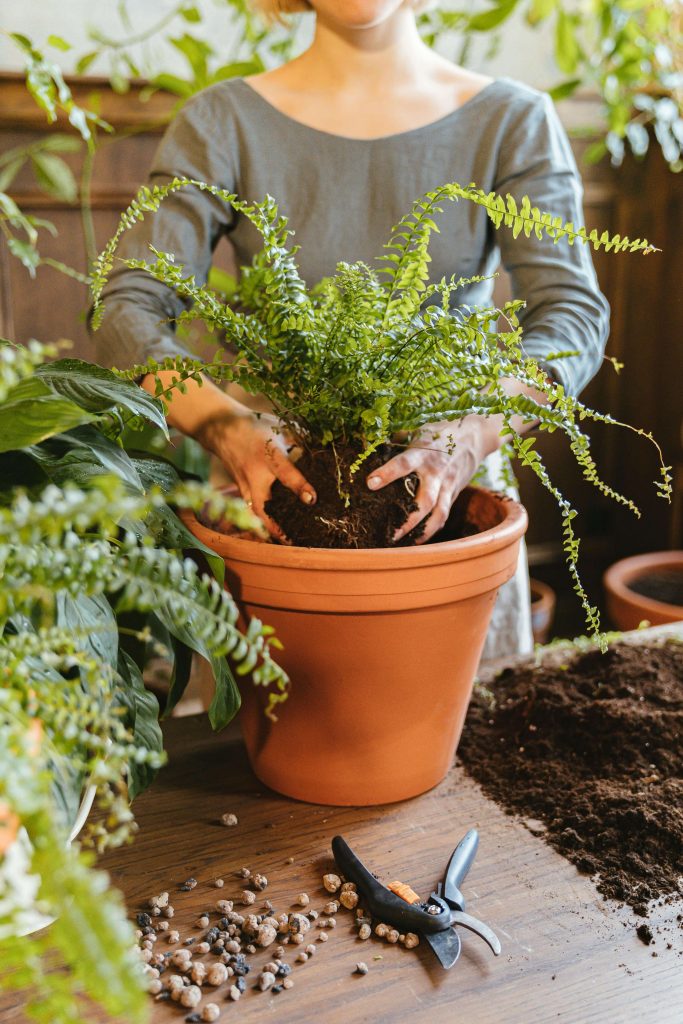
Give your pots a good soak in water for a few hours (or overnight) before planting. Think of it as priming the pot so it doesn’t steal hydration from your soil.
Forgetting to line the pot
While that natural porosity is great for airflow, it can also mean your soil dries out faster than you’d like – particularly in warmer weather.
What to do instead:
Add a simple liner, like landscaping fabric or even a reused plastic nursery pot. It helps retain moisture while still allowing for proper drainage. The result? Less watering, less stress.
Pairing with the wrong plants
Not all plants love the dry life. Moisture-loving varieties can struggle in terracotta, as the soil loses water more quickly than in glazed or plastic pots.
What to grow instead:
Lean into plants that prefer drier conditions – think succulents, cacti or Mediterranean herbs like rosemary and thyme. They’ll feel right at home in these breathable containers.
Pexels
Ignoring the cold
Terracotta and frost are not friends. When temperatures drop, trapped moisture can cause pots to crack or even break completely.
What to do instead:
Move pots to a sheltered spot during colder months. If bringing them indoors isn’t an option, wrap them in protective materials like burlap to soften the impact of icy weather.
Letting mineral marks build up
That chalky white residue on your pots? It’s a natural side effect of minerals from water and fertiliser rising to the surface. While harmless, it can dull that warm terracotta glow.
What to do instead:
Wipe pots down regularly with a damp cloth. For deeper cleaning, use a mix of water and vinegar with a stiff brush to restore their earthy charm.
Overlooking drainage
Even with terracotta’s breathable nature, proper drainage is non-negotiable. Without a drainage hole, water collects at the base, leaving roots sitting in soggy soil – a fast track to root rot.
What to do instead:
Always choose pots with drainage holes. If your favourite piece doesn’t have one, use it as a decorative outer pot and keep your plant in a well-draining inner container.
ALSO SEE: HOW TO USE BROKEN TERRACOTTA POTS IN THE GARDEN
