
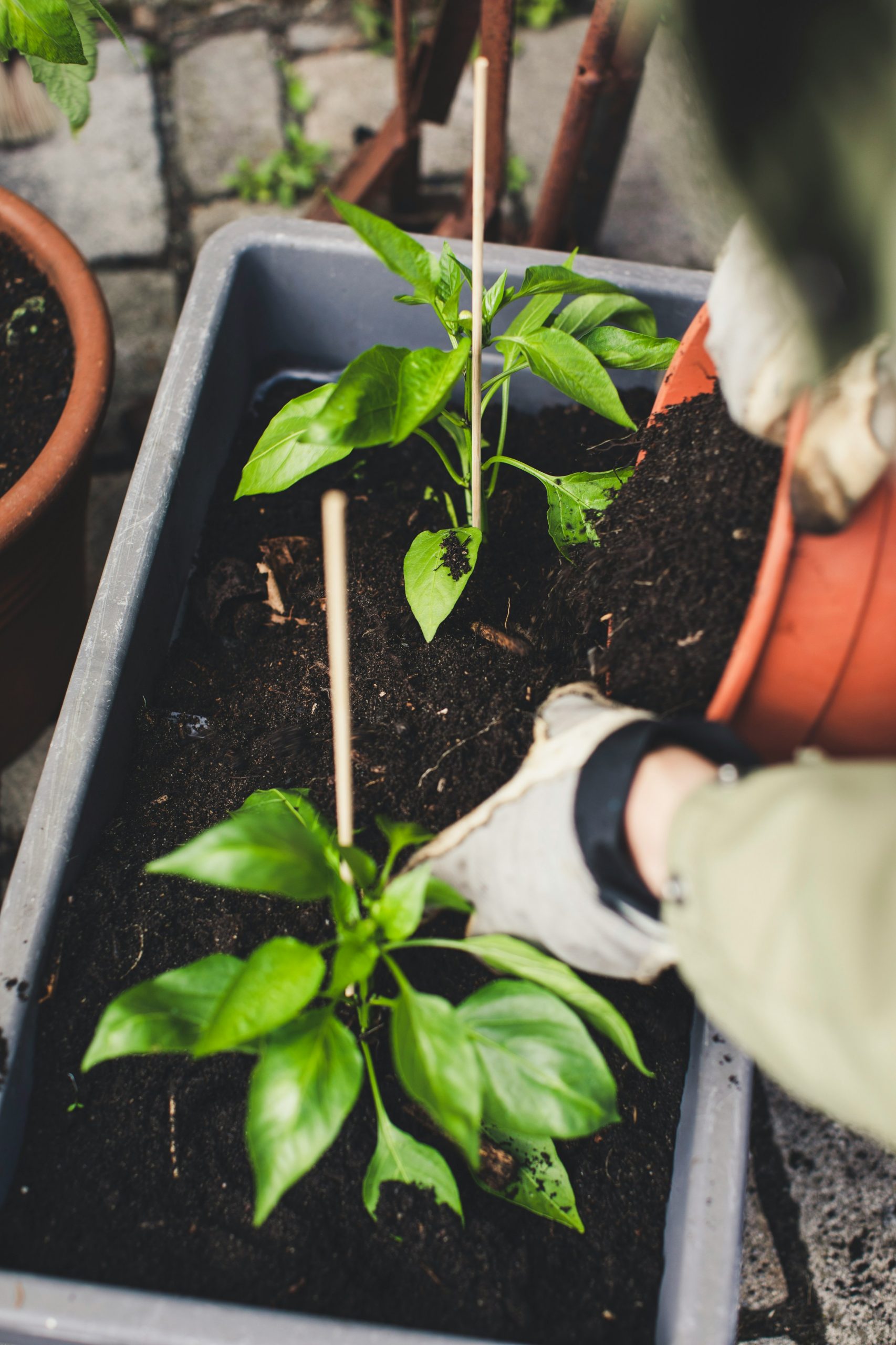
 Maegan-Leigh Jacobs
Starting your first garden can feel a bit like assembling flat-pack furniture without the instructions – exciting, slightly chaotic, and full of “wait, what goes where?” moments. But here’s the good news: gardening isn’t about knowing everything. It’s about knowing just enough to get going – and learning as you grow (pun fully intended).
If you’ve been dreaming of a leafy escape right outside your door, here’s how to turn that blank patch into something beautiful – without losing your sanity.
Start small. Stay sane
You don’t need to transform your entire garden in one weekend. In fact, please don’t. Start with one area, one bed, or even a few pots. A garden isn’t a race – it’s more of a slow, satisfying stroll.
Focus on what your space needs right now, not what your Pinterest board looked like at 2am.
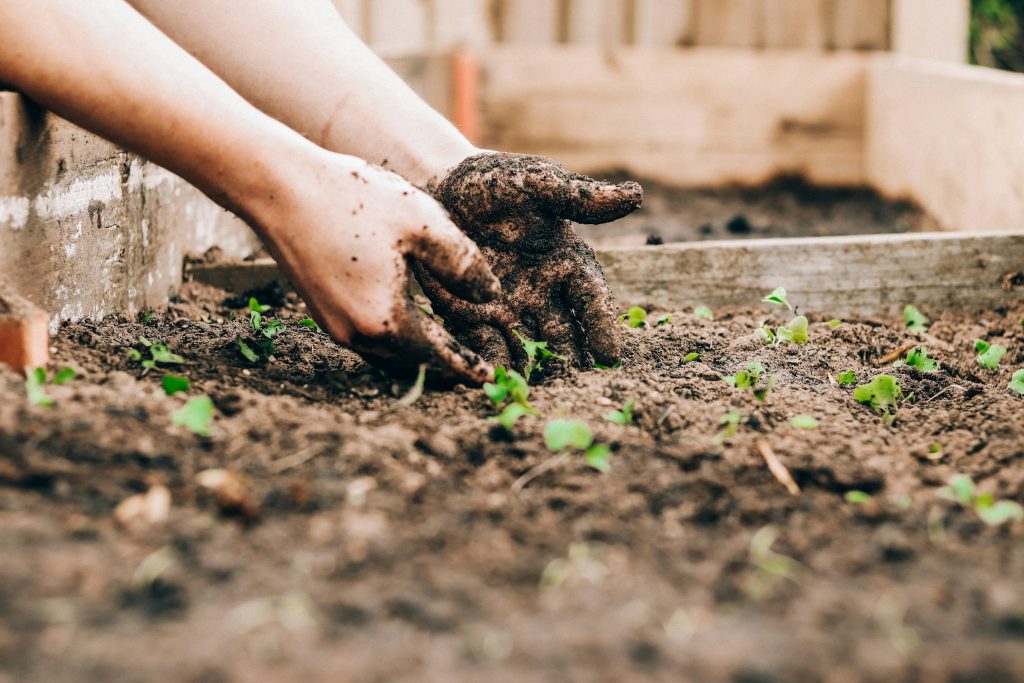
Feed the soil first
Before you even think about plants, think about what they’ll grow in. Good soil is everything. If it’s dry, sandy, or compacted, it’ll need a little love in the form of compost.
Healthy soil = happy plants. It’s that simple.
Unsplash
Know your garden’s personality
Every garden has its quirks. Some are sunny all day, others are shady and cool. Some get battered by wind, others are calm and protected.
Pay attention to:
- Where the sun hits (and for how long)
- Windy spots
- Damp or dry areas
Then choose plants that actually like those conditions. A sun-loving plant in the shade will sulk. A shade-lover in full sun will simply give up.
Work with the seasons, not against them
Plants aren’t “on” all the time. Some bloom, some rest, some disappear completely before making a comeback. Let them. That’s part of the rhythm.
Keep them nourished with compost or fertiliser, water them consistently, and step in when pests or diseases show up – but don’t expect perfection year-round.
Get to know the plant basics
You don’t need a botany degree, just a rough idea of who’s who in the plant world:
- Trees: The tall, statement-makers
- Shrubs: Your garden’s backbone – full, leafy, reliable
- Ground covers: Low growers that fill gaps and soften edges
- Perennials: Seasonal stars that bloom, rest, and return
- Succulents: Low-maintenance, water-wise beauties
- Grasses: From neat lawns to wild, wispy textures
Mixing these creates a garden that feels layered and interesting – not flat and forgettable.
Think before you plant
Here’s where many first-time gardeners go rogue: planting without a plan.
Pause. Picture how you’ll use the space:
- Where will you sit with your morning coffee?
- Is there a braai spot?
- Do you want a veggie patch?
- What do you see from inside the house?
- Design first. Plant second. Always.
Pexels
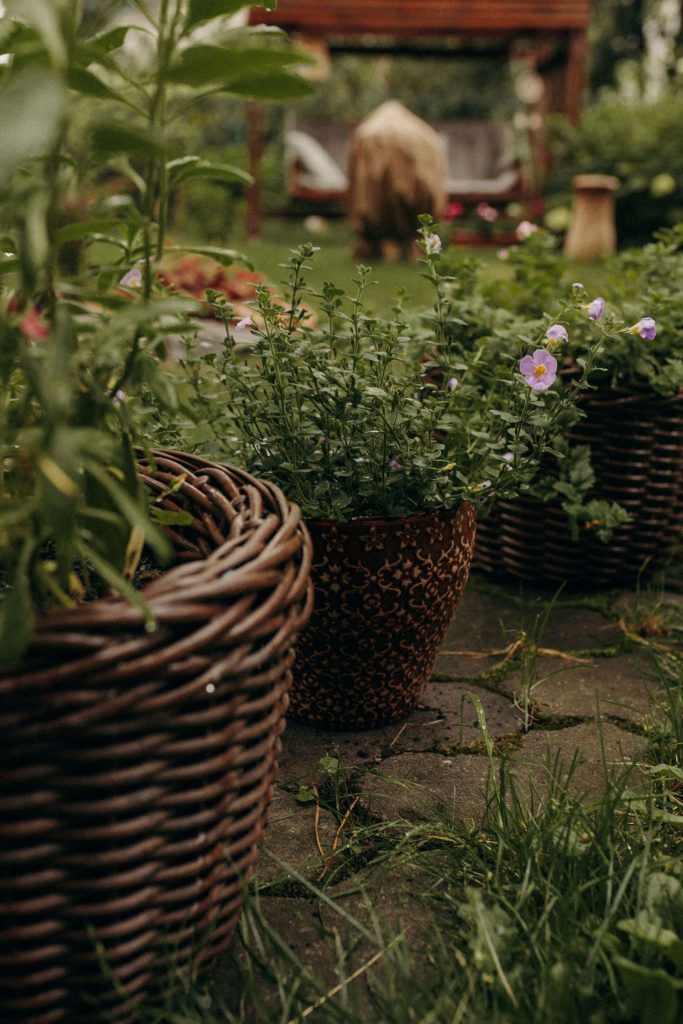
Don’t overcrowd your plants
It’s tempting to fill every gap immediately (we’ve all been there). But plants grow. And they grow more than you think. Give them space to breathe now, and you won’t be digging half of them up later.
Ask for help (no shame in it)
If you’re unsure, chat to someone who knows their stuff – a landscaper, a nursery expert, even a plant-loving friend.
A little guidance upfront can save you a lot of trial and error. Plus, it’s far more fun when you understand what you’re doing.
The golden rule? Keep going.
Your first garden won’t be perfect – and that’s exactly the point. It’s something you build over time, season by season, plant by plant.
There will be wins (hello, first blooms) and a few casualties along the way. Stick with it.
Because once it starts to come together, there’s nothing quite like stepping outside and thinking: I made this.
ALSO SEE: YOUR COMPOST PILE DOES NOT HAVE TO STOP IN WINTER
Your compost pile does not have to stop in winter. Here is how to keep it going
