
 Chumasande Matiwane
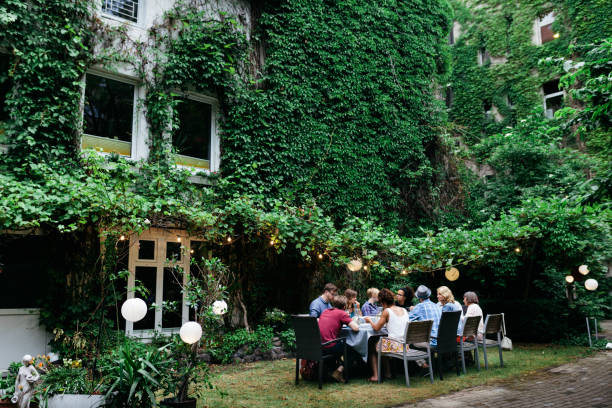
For many South Africans, the braai area serves as a central gathering place for family. Therefore, why not enhance this space by planting lush greenery nearby? Not only will the plants improve the aesthetic appeal of these traditionally masculine and functional areas, but they will also add charm to the overall braai atmosphere.
You can create a landscaped ‘braai garden’ with a well-composted garden bed, or you can grow larger plants in individual containers alongside smaller cooking herbs in mixed containers or window boxes.
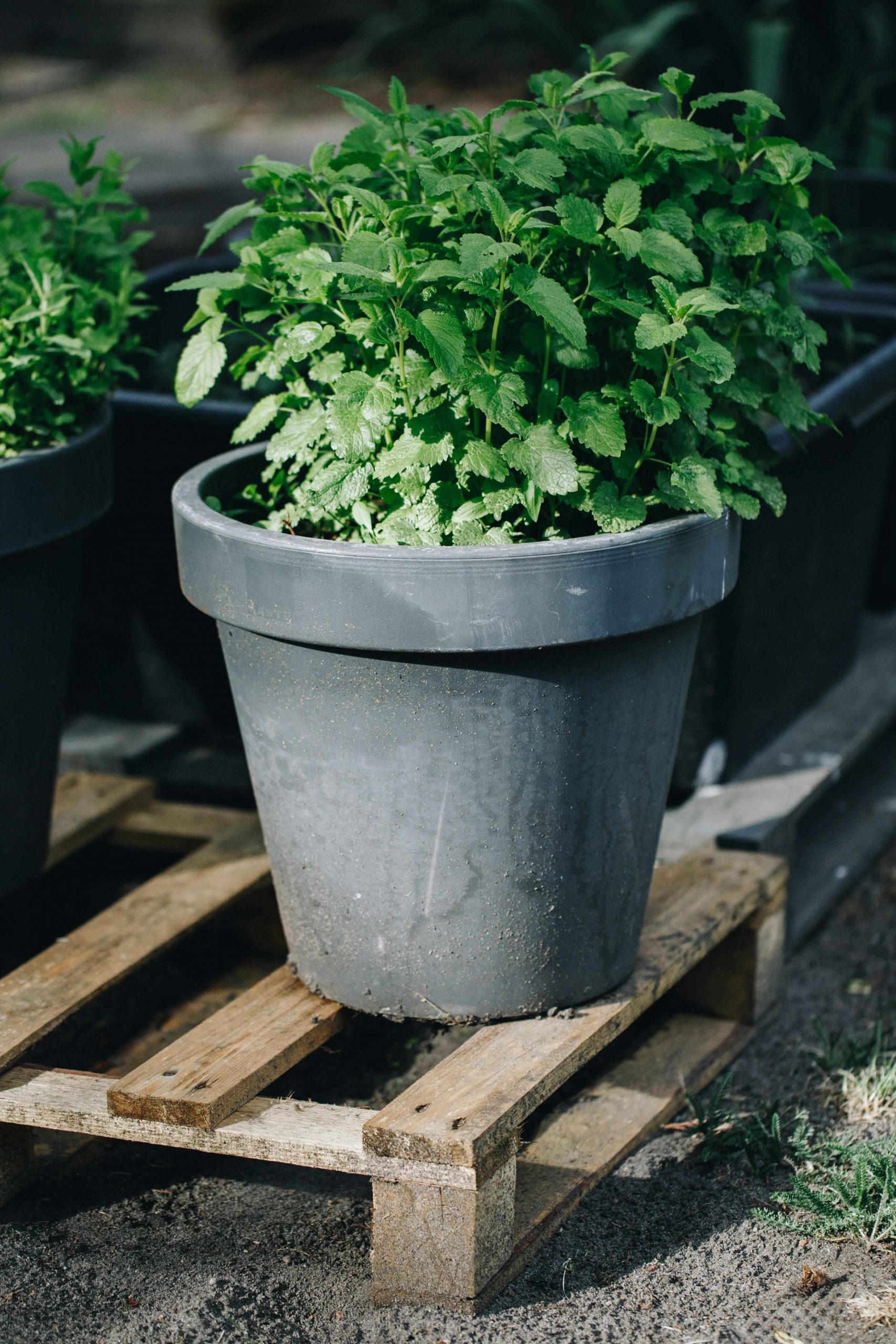
Image Credit: Pexels
These are some of the best plants to start with;
Lavender
Nothing is as simple as the beautiful, rounded Lavandula plants with their grey-green branching stems bearing masses of fragrant, light blue to violet-coloured flowers on tall spikes that appear all year long.
Lavender flowers are normally used in baking or in salads, but can also be included in a rub mixture to flavour your steaks. As lavender is also known as a de-stress herb, it makes sense to plant it in numbers around a braai, where folks tend to linger.
Sage and Thyme
Thyme are a tough and very pretty garden plant, and there are many hybrids available that are suitable for different environments. When cooking with thyme, remember that it has a strong flavour that will still be potent after hours.
Sage, on the other hand, has a strong, slightly bitter taste and should be used sparingly. They can add a lovely flavour to your braai pork cuts. What the sage plants need to grow well is just a well-drained or sandy soil.
Marigold
These bright annuals are well known as plant protectors in most veggie gardens, as their strong aroma repels insects. Add a punnet or two when you plant up a mixed container on the patio or use them as a colourful border in your braai garden. It is believed that rich orange or golden-yellow marigold flowers are therapeutic, which might make your braai guests feel more welcome.
Lemon tree
Citrus trees love subtropical climates but will grow well in colder climates if protected against frost. The most important factors in growing a healthy lemon tree are full sunlight, fertile soil that drains very well, and frequent watering and feeding.
There are also several good varieties to choose from, from thornless lemon trees with smooth-skinned fruits and smaller trees that are hardier and more suitable for container growth.
ALSO SEE:
Clever vegetable combinations that make the most of container growing
Feature Image: Gettys
