
 Chumasande Matiwane
Usually appearing uninvited in your yard, lawn or flower beds, weeds and invasive plants can be a nuisance in any landscape. While you may not like the way they look or how they interact with the rest of your plants, many of these invasive plants are edible and delicious when harvested and used in your cooking.
So instead of pulling them out and throwing away these weeds, first check if they are edible or not. These are some of the best edible weeds to look out for
Dandelion
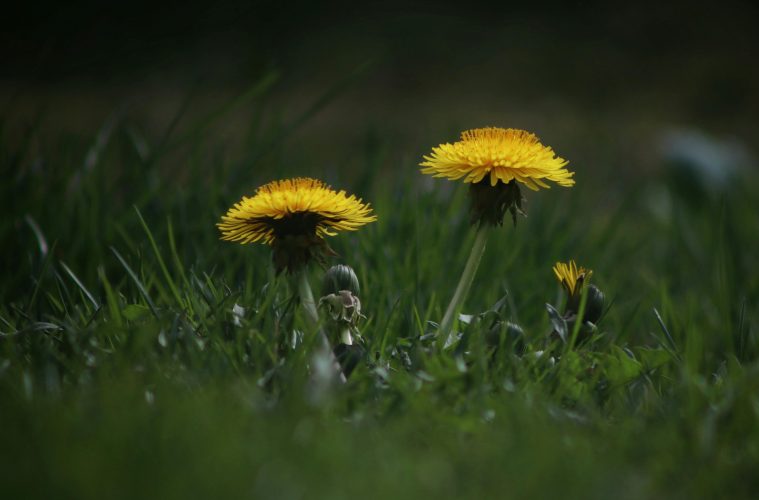
When discussing edible weeds, it is essential to mention dandelions. Dandelions are very common weeds. Their taproot produces a basal rosette with irregularly toothed leaves that contain a white milky sap. The bright yellow flowers bloom in spring in the cooler parts of the season. Every part of the Dandelion weed can be eaten, from the roots to the yellow flowers.
The leaves are commonly used in soups and can also be eaten raw in fresh salads. So, when you see these types of weeds in the garden, think about how you can incorporate them into your meals.
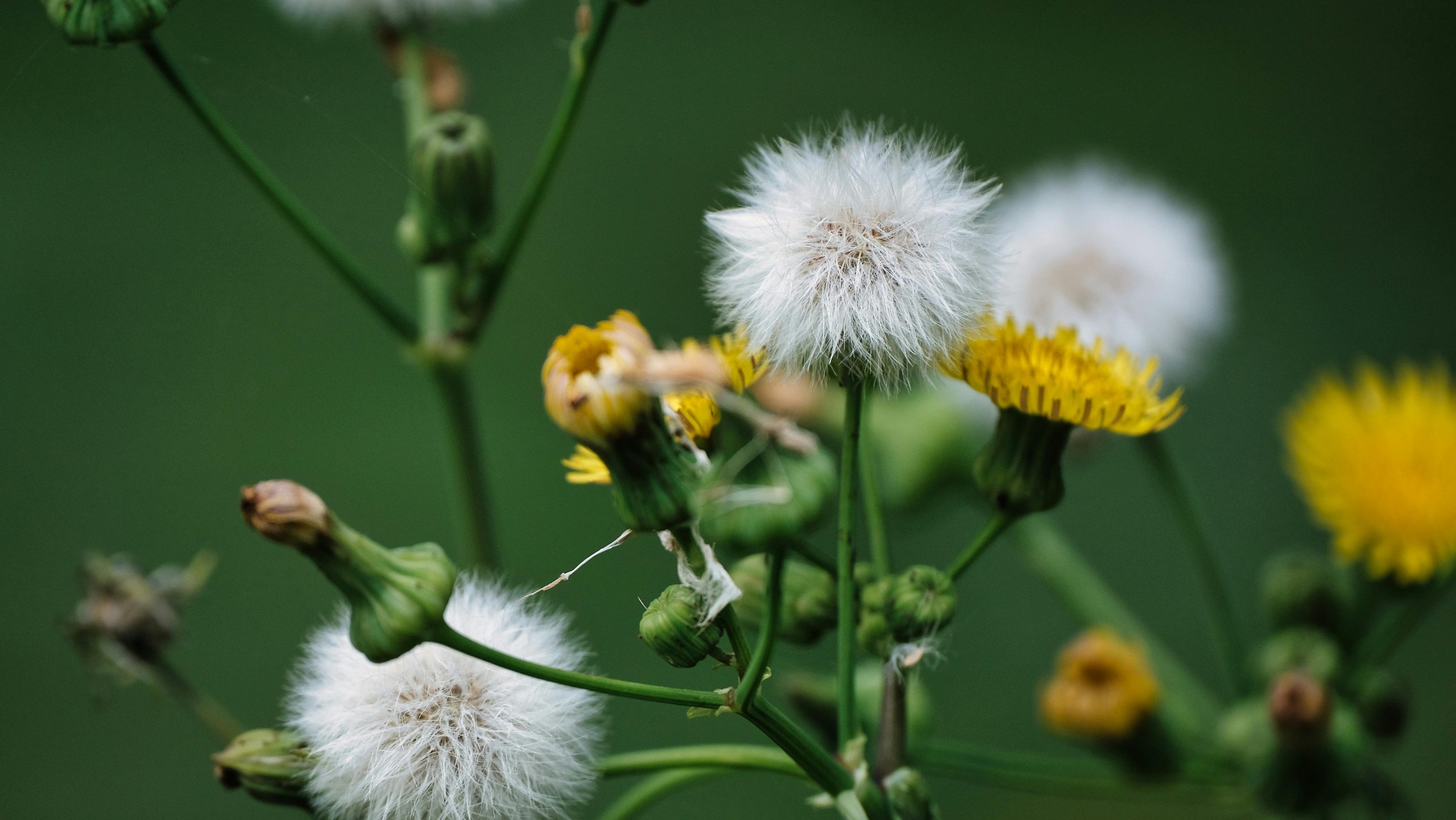
Image Credit: Pexels
Common quickweed
Quickweeds can typically be found growing from summer straight to the last weeks of Autumn. This weed forms small flowers that look like tiny daisies. The leaves and flowering tips of common quickweed are safe to eat. Just chop and sauté the edible portions like a vegetable.
Mugwort weeds
The weeds are an invasive species native to Europe and some parts of Northern Africa. Mugwort grows during spring and is identified by its finely dissected leaves that are silvery on the underside. The flavour of mugwort may vary depending on where you pick it; the mature plant may become very aromatic and strong-flavoured, and a bit bitter in a very exposed area.
The plantain weeds
The leaves and seed heads of plantains are the edible parts. Commonly eaten as a fried side dish. These plantains are perennial weeds with over 200 species, and they are all edible. Plantains have broad, ribbed leaves and produce small, greenish-white flowers. The leaves are slightly hairy and have a palmate vein that runs parallel to the midrib. The plantain leaves can be eaten raw in spring when they’re still tender, but as they mature, the leaves get tougher, and the midrib and fibrous veins need to be removed before consuming.
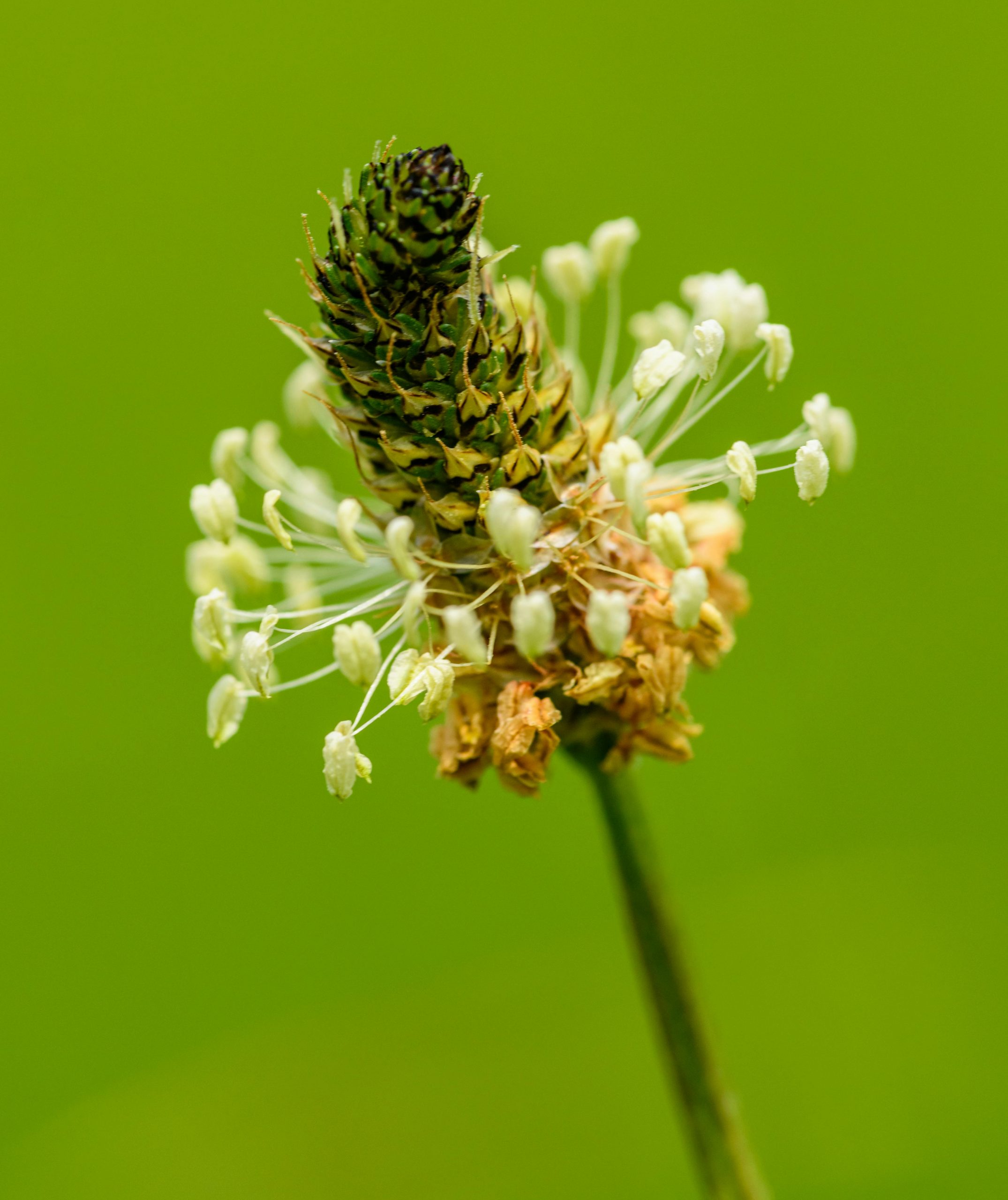
Image Credit: Pexels
ALSO SEE:
Low-light indoor herbs that will thrive through autumn and winter
Feature Image: Pexels
