
 Jade Mcgee
Raised garden beds are full of promise. You picture glossy tomato vines, crisp lettuce and a tangle of climbing beans. Then you realise just how much soil it takes to fill them.
Buying premium potting mix for an entire bed can be eye-wateringly expensive. The good news is that you do not need to fill the whole structure with bagged compost. In fact, many of the best materials are already in your garden or kitchen.
The key is understanding that some materials can be planted into immediately, while others need time to break down. With a little planning, you can build fertile, living soil for a fraction of the cost.
Start with hügelkultur for deep, moisture-retentive beds
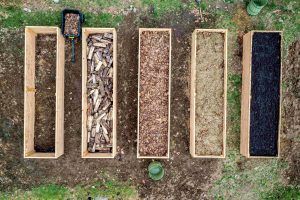
Hügelkultur, a German term meaning “mound culture”, is one of the most effective ways to bulk out a raised bed cheaply. It relies on layering woody garden waste at the base of the bed.
Begin with larger logs or thick branches at the bottom. Water them well, then layer on smaller twigs, grass clippings, leaves and well-rotted manure if you have it. Finish with a generous layer of compost and topsoil to create a plantable surface.
As the wood slowly decomposes, it acts like a sponge, holding moisture and feeding soil life. Over time, it breaks down into rich organic matter. Because fresh wood can temporarily tie up nitrogen, it is best to build hügelkultur beds in autumn and plant in spring. If you are planting straight away, opt for nitrogen-fixing crops such as peas or beans to help balance the soil.
pexels
Use bulk soil instead of bagged potting mix
If you do want a ready-to-plant option, skip small bags of premium potting mix and look for bulk soil from a local nursery or landscaping supplier. Buying by the cubic metre is significantly cheaper and often more suitable for raised beds.
Choose a raised bed or garden mix made from composted organic materials. Avoid blends high in synthetic fertilisers if you want to grow organically. If the mix is only partially composted, let it settle for a few weeks before planting so it can stabilise and warm up.
You can also combine bulk soil with one of the organic base layers mentioned here, reducing the total volume you need to buy.
Try lasagna layering for gradual soil building
Lasagna gardening, also known as sheet mulching, is another cost-effective method that builds soil over time.
Layer cardboard or thick newspaper directly onto the base of your bed. On top of that, add compost, grass clippings, leaves or straw. Repeat these layers until the bed is full, finishing with compost or soil.
The cardboard suppresses weeds and gradually decomposes, while the organic layers break down into humus-rich soil. This method works especially well for root crops that appreciate loose, airy conditions. However, it does require patience. Allow several weeks, or ideally a few months, before planting to ensure the layers have softened and begun to integrate.
pexels
Fill beds with homemade compost
If you already compost, your raised beds are the perfect place to use it in volume. Compost acts as both soil conditioner and nutrient source.
For fast, balanced compost, alternate nitrogen-rich “greens” such as kitchen scraps, plant trimmings and manure with carbon-rich “browns” like dry leaves, shredded paper and twigs. A good rule of thumb is two to three parts brown to one part greens. Keep the pile as moist as a wrung-out sponge and turn it regularly to speed up decomposition.
Once mature, compost can make up a significant portion of your raised bed fill. You can also mix it with garden soil to improve structure and fertility.
Bury organic waste beneath the surface
If composting feels like one task too many, burying organic matter directly in the bed is a simple alternative.
Dig a trench or hole at least 30cm deep and fill it with kitchen scraps, leaves, plant waste or small wood chips. Cover thoroughly with soil. By burying the material deeply, you reduce the risk of attracting rodents while allowing worms and microbes to do the work underground.
Over time, the buried material breaks down and enriches the soil from below. Plant on the surface while the decomposition happens out of sight, and roots will eventually grow down into the nutrient-rich layer.
If pests are a concern, consider adding mesh to the base of the bed before filling to prevent tunnelling.
While it is tempting to fill and plant on the same day, organic materials need time. Fresh layers can be light, airy and biologically active, which may stress young roots. If possible, build your beds in autumn or a few months before peak planting season.
Raised beds are long-term investments. By using affordable, organic materials, you are not just saving money. You are building healthier soil that improves year after year.
