
 Chumasande Matiwane
If your lawn is regularly flooded after rain and the water only drains away slowly, this can damage your lawn and encourage algae, moss and fungal problems. But there are several steps you can take to improve the situation.
What causes waterlogging
Waterlogging is usually caused by heavy and or compacted soil. This can cause fine turf lawn grasses to die out and encourage moss and algae to flourish. So if your lawn is squelchy to walk on or turns into a lake every time it rains, you have a waterlogged lawn. Difficulty in maintaining this can cause damage to your lawn. A sticky, glue-like layer of soil may form near the surface when the lawn is waterlogged. It’s important to avoid walking on these lawns to minimise damage.
Effects of waterlogging on your lawns
Repeated waterlogging can cause several issues, including;
- Bare patches: Finer grass won’t grow well in waterlogged soil and may eventually die.
- Growth of algae and moss: These thrive in waterlogged conditions, affecting the appearance of your lawn, blocking light from reaching the grass, and often making the surface slippery.
- Clumps of patches: These may spread in damp lawns, creating unsightly tussocks.
3 ways to improve your lawn
- Aerate compacted soil- It is best to improve drainage on compacted lawns by spiking the soil so that rainwater can flow down into the ground more easily, rather than puddling on the surface of the lawn.
- Look after your grass-Help your grass to recover from waterlogging by applying lawn feed around the spring or summer season. Use lawn fertiliser that’s rich in phosphorus, which promotes root growth.
- Improve drainage- Heavy soils tend to drain poorly, causing waterlogging problems. It is essential to have somewhere for the water to run off after, such as a ditch or a drain.
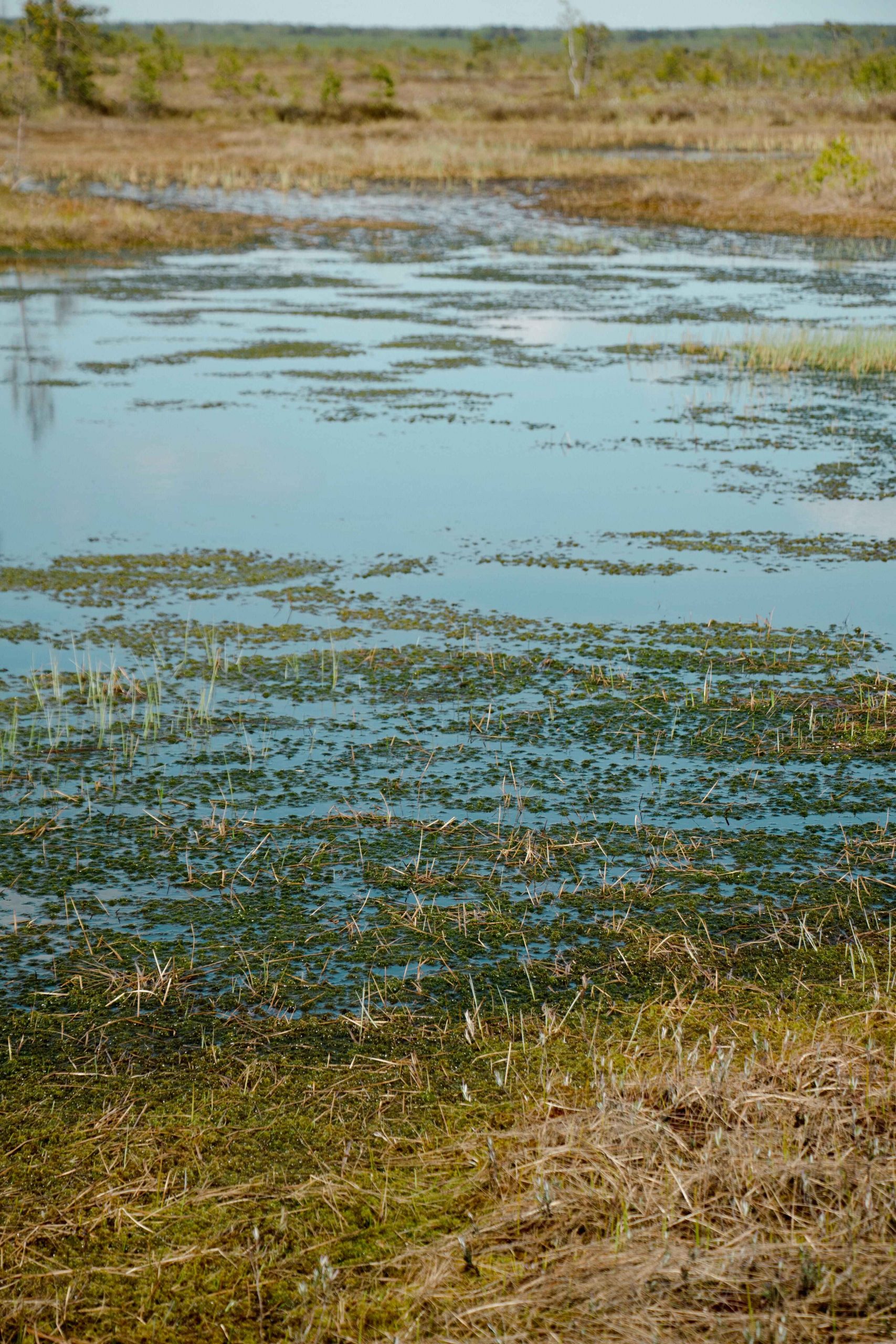
Image Credit: Pexels
ALSO SEE:
South Africa’s National Gardens open their gates for free during National Gardens Week 2026
Feature Image: Pexels
