
 Maegan-Leigh Jacobs
Flowers have their own language. Long before love letters and long WhatsApp messages, people used blooms to say what they felt.
That’s why the bunch you choose for Valentine’s Day can carry more meaning than you might realise. Whether you’re spoiling a partner, celebrating a close friend, or treating a family member, here’s a gentle guide to what some favourite flowers traditionally stand for.
Read more: Tips for putting together the perfect V-day bouquet
Roses
Roses remain the most recognisable symbol of romance.
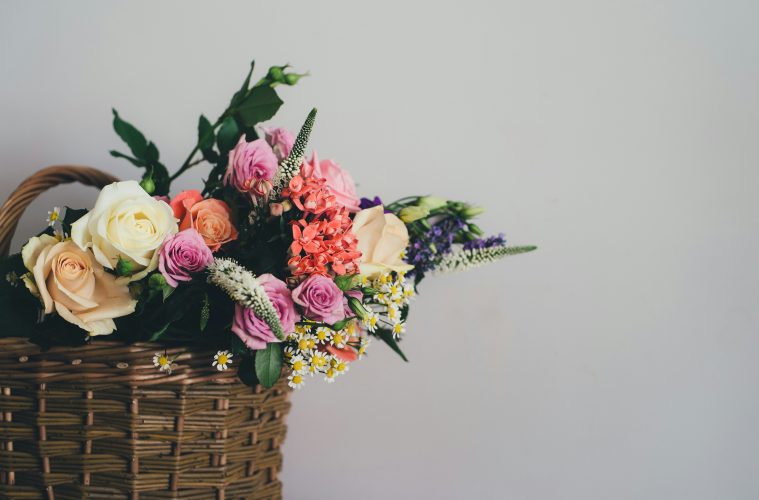
Deep red roses are associated with passion and devotion, while softer shades tell different stories. Creamy white roses speak of sincerity and lasting affection, blush pink roses suggest grace and admiration, and sunny yellow roses celebrate friendship and warmth. Pale lavender roses are often linked to enchantment and fascination.
Tulips
These elegant stems may feel delicate, but their meanings are powerful.
Red tulips are tied to heartfelt love, while pink tulips suggest care and closeness. Purple tulips hint at admiration and respect, and white tulips are often connected to honesty and new beginnings. Yellow tulips, bright and cheerful, represent joy and optimism.
Lilies
With their dramatic petals and gentle scent, lilies bring sophistication to any arrangement.
White lilies are commonly linked to purity and dignity, while orange varieties suggest enthusiasm and desire. Pink lilies convey charm, yellow lilies are associated with happiness, and red lilies reflect deep romantic feeling.
Orchids
Orchids feel luxurious and rare, which makes them a thoughtful Valentine’s gift.
They are often associated with beauty, strength, and deep connection. Pink orchids, in particular, are said to express tenderness and genuine affection, making them a meaningful choice for someone special.
Hydrangeas
These fluffy blooms carry different messages depending on their colour.
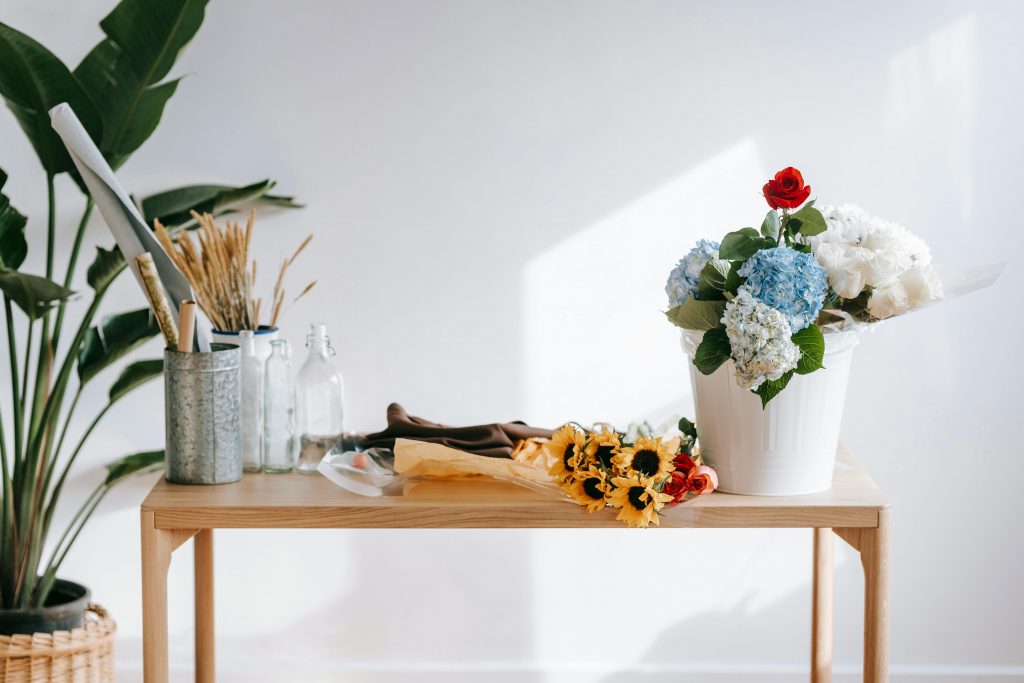
Soft pink hydrangeas are connected to warmth, love, and emotional closeness, making them a lovely Valentine’s option. Blue hydrangeas, on the other hand, have historically been linked to apologies or regret, so they’re best chosen with intention.
Gardenias
Known for their sweet fragrance, gardenias have long been tied to trust and devotion.
In the past, they were used to quietly signal admiration, and today they still symbolise hope, honesty, and deep emotional bonds.
Sunflowers
If you want to step away from classic romantic flowers, sunflowers make a bold and joyful statement.
Their bright faces represent loyalty, positivity, and appreciation. They’re perfect for a partner who brings light into your life, or a friend you truly value.
White daisies
Simple yet sincere, white daisies are associated with innocence, faithfulness, and purity of feeling. They may not be flashy, but they carry a quiet and meaningful message of commitment and care.
Carnations
Often overlooked, carnations actually hold strong sentimental meaning.
Pink carnations are linked to gratitude, white carnations to friendship and sincerity, and deep red carnations to love. Yellow carnations, however, are traditionally associated with disappointment, so they’re usually avoided for Valentine’s Day.
Peonies
Peonies are lush, romantic, and deeply symbolic. They are often connected to happiness, good fortune, and honour.
Pink peonies, especially, are said to represent prosperity and joyful beginnings, making them a beautiful way to mark love on this special day.
ALSO SEE: SET UP YOUR GARDEN FOR ROMANCE THIS VALENTINE’S DAY
