
 Jade Mcgee
When the heat sets in and rain refuses to play along, the aim isn’t perfection; it’s survival with style. A drought-ready garden leans on water-wise routines, protective cover, and a focus on plants that are worth the effort. Here’s a clear plan you can put to work today.
Water like it matters (because it does)
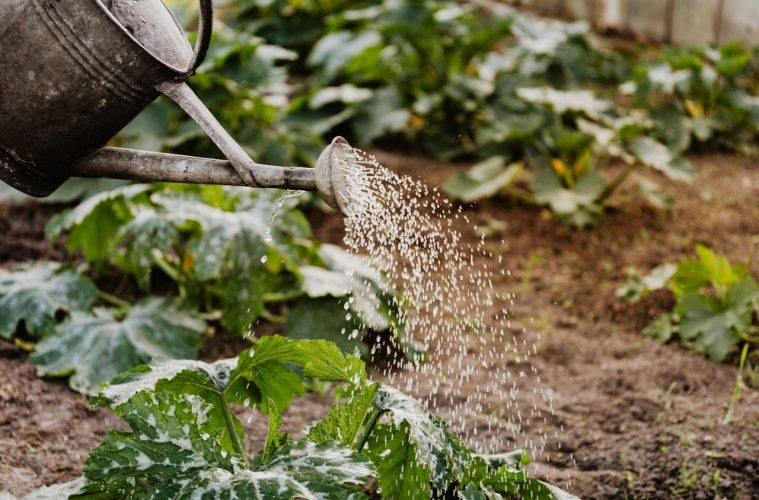
Watering is your biggest lever in a drought, so make every drop count. Water early morning so it soaks in rather than evaporating. Aim for deep, infrequent soaks that reach the root zone rather than frequent sprinkles that only wet the surface. As a guide, beds typically need around 20–25 mm of water in a session (a tuna-tin or rain gauge is handy). Let the top few centimetres dry between sessions to drive roots down.
Prioritise edibles and new plantings first, then key perennials and trees. Seedlings, leafy veg and shallow-rooted plants need more frequent checks; deep-rooted tomatoes, roses and shrubs cope better with a soak-and-dry cycle.
Keep moisture in the soil you’ve got
Healthy soil is a water bank. Fold in well-rotted compost whenever you can to boost structure and water-holding capacity. Then lock it in with mulch: 5–10 cm of shredded bark, straw, leaf mould or gravel (for Mediterranean schemes). Keep mulch a couple of centimetres off stems to prevent rot. Mulch pots too; even a thin layer of grit or coconut fibre slows evaporation.
If older beds have become water-repellent, use a watering wand on a gentle setting and apply water slowly so it penetrates. A wetting agent can help rehydrate stubborn dry patches; follow the label and avoid leaves.
Give plants shade and a breather
A little shade takes the sting out of the afternoon sun. Rig up temporary shade cloth, old net curtains or a light sheet over hoops; remove on cooler days to keep air moving. In mixed beds, let taller, sun-lovers cast cover for salad crops. For containers you can’t move, park a parasol or pop-up canopy over the sunniest side for the worst heat of the day.
Rethink containers
Pots dry out fastest. Group them tightly to create a cooler microclimate, stand them on saucers filled with gravel and water into the saucers so roots sip from below. Terracotta ollas or simple wicking set-ups (cord from a water reservoir into the pot) can bridge a weekend. If you’re stretched, be ruthless: rehome or pause the thirstiest pots and keep your best specimens.
Feed less, deadhead more
In heat, lush new growth is a liability. Hold off on high-nitrogen feeds that push soft leaves needing more water. If you want to support stressed roots, switch to a light seaweed tonic every 2–3 weeks. Keep deadheading to reduce wasted energy and cut back herbaceous plants that are flagging; many will bounce with autumn rain.
Choose and place the right plants
If you’re sowing or shopping during a dry spell, reach for drought-tolerant choices: salvias, rosemary, lavender, gaura, verbena, agapanthus, plumbago, pelargoniums, portulaca. In the veg patch, aubergine, peppers, okra and squash handle heat better than lettuce or coriander. Plant in drifts, not dots, and keep like-thirsty plants on the same line of drip or soaker hose so you’re not overwatering one to save another.
Protect the long-term backbone
Trees and established shrubs are the bones of the garden. Even drought-tolerant species need help in their first three summers. Give a slow soak at the drip line (the edge of the canopy), not the trunk. A perforated bucket or leaky hose laid in a circle works; refill until you’ve delivered roughly 20–30 L to a young tree in a session. Repeat weekly in severe heat.
Harvest and reuse water wisely
A water butt pays for itself in peace of mind. Indoors, save cool rinse water from washing veg or the final rinse from hand-washing (biodegradable products only) and use it on ornamentals, not edibles you’ll eat raw. Avoid hot, greasy or heavily soapy greywater.
Be gentle with sprays and pruning
Leaf sprays (even organic oils) can scorch in full sun. If you must treat pests, do it at dusk and spot-target. Save major pruning for cooler weather; heavy cuts stimulate thirsty regrowth. Light shaping is fine.
Lawns: let them nap
Raise the mower height, leave clippings as a moisture-retaining mulch, and stop watering lawns unless newly laid. Healthy turf can brown and go dormant, then recover with autumn rain.
Five-minute drought checklist
- Water at dawn; soak deeply, not little and often
- Mulch 5–10 cm and keep it off stems
- Shade the worst afternoon sun; group pots
- Pause high-nitrogen feeds; deadhead to save energy
- Prioritise trees, new plants and edibles; accept a few graceful losses
When to worry
Wilting that doesn’t improve overnight, crispy margins marching inwards, or fruit/flower drop across the board are signs to increase soak depth, add shade and check for vine weevils, spider mites or root problems. If a plant collapses daily by midday but perks up by evening, it’s heat-wilt, not necessarily dehydration; shade helps more than constant watering.
