

 Chumasande Matiwane
Houseplants will always show signs of distress when they are not doing well. Knowing when and how to transplant is crucial to ensuring the health and optimal growth of your plants. Explore the signs of when and how to transplant your houseplants.
How to transplant
Transplanting should be done at the right time, avoiding periods of stress for the plant. The ideal time for transplanting is early spring when plants are in their active growth phase. It’s best to refrain from transplanting in autumn, as most plants are preparing for their dormant state.
To ensure a successful transplant, follow these steps: first, carefully remove the plant, being mindful of its delicate roots. Next, prepare a slightly larger pot with a few inches of soil or prepare the garden soil where you intend to transplant the plant. By following these guidelines, you can help ensure the health and vitality of your plants during the transplanting process.
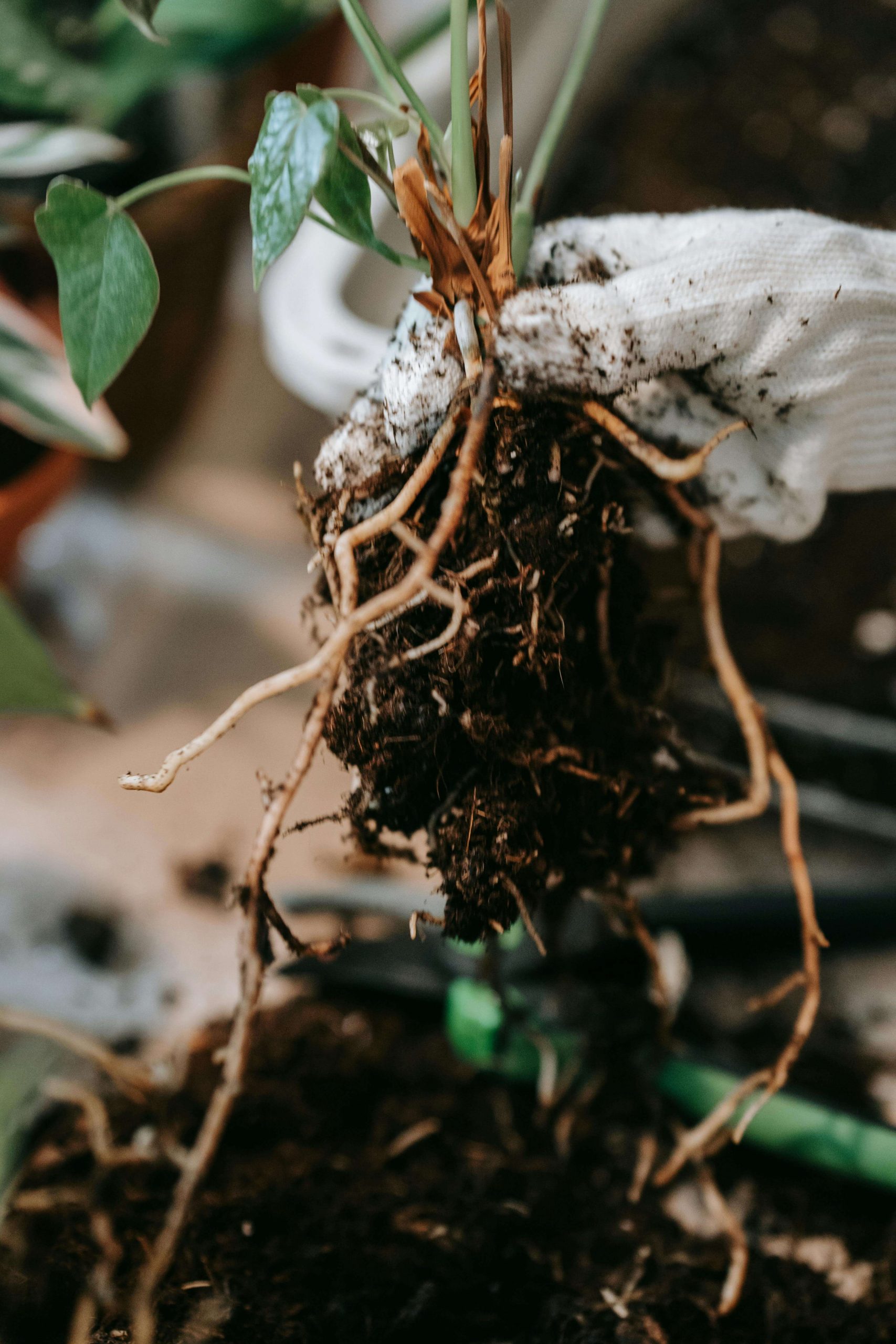
Image Credit: Pexels
Signs to start transplanting
These signs will help you notice easily when you should replant your plants, allowing you to choose the best location for replanting.
Drooping of stems
Floppy, drooping stems may be acceptable for some plants, but for most, they are a significant indicator that it’s time to consider transplanting. If your houseplants have drooping stems, they likely need more sunlight. Moving them to a sunnier location can help them recover.
Wilting leaves
Wilting is a response to your plant receiving too much heat and sunlight. It goes hand in hand with wilting stems, as wilting stems will result in wilting leaves. Once your plants start to wilt, the best response is to transplant, especially young, immature plants, as they are still growing and need a healthier environment. Your plants will usually perk up with cooler temperatures.
Also see: Common causes and fixes for your wilting basil plants
Water issues
Excessive or inadequate watering can harm most plants. Some houseplants need a lot of water to thrive, as they quickly absorb moisture through transpiration. Insufficient water can cause the plants to wilt due to the lack of moisture. On the other hand, overwatering can also lead to wilting and fungal problems in certain plants, which may necessitate transplanting them to an area with better drainage.
Yellowing of leaves
If your soil is too wet or dry, the leaves may turn yellow. Poor soil can greatly affect plant health and is a key indicator that it’s time to transplant your plants.
Lack of flowers
It can be disappointing to anticipate abundant blooms that either fail to appear or turn out to be small. If your plants are not flowering well or are producing only a few blooms, several key factors could be influencing this. One possibility is that your plant may need to be transplanted.
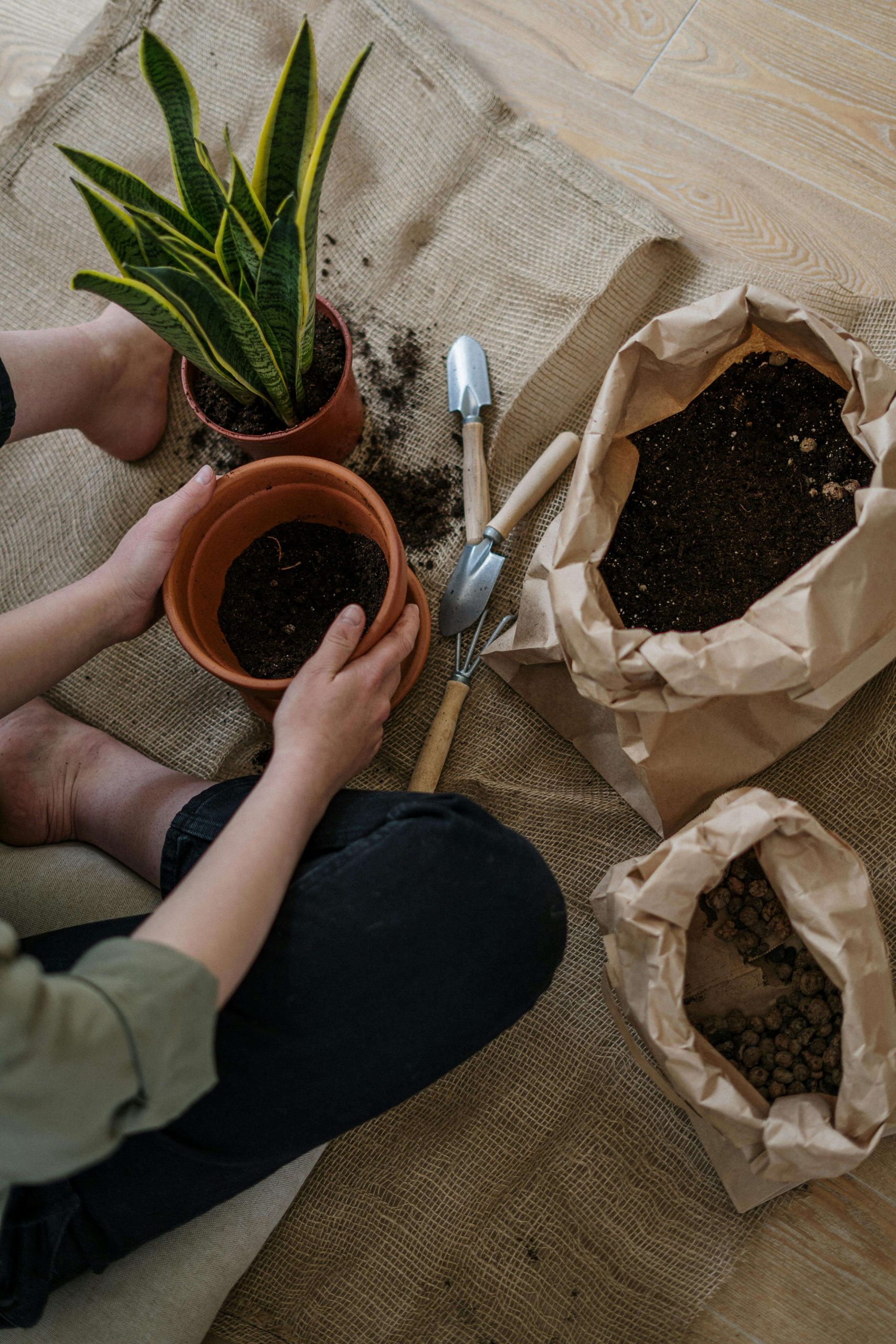
Image Credit: Pexels
ALSO SEE: PLANTS YOU SHOULD AVOID BUYING AS SEEDLINGS
Feature Image: Pexels
