
 Chumasande Matiwane
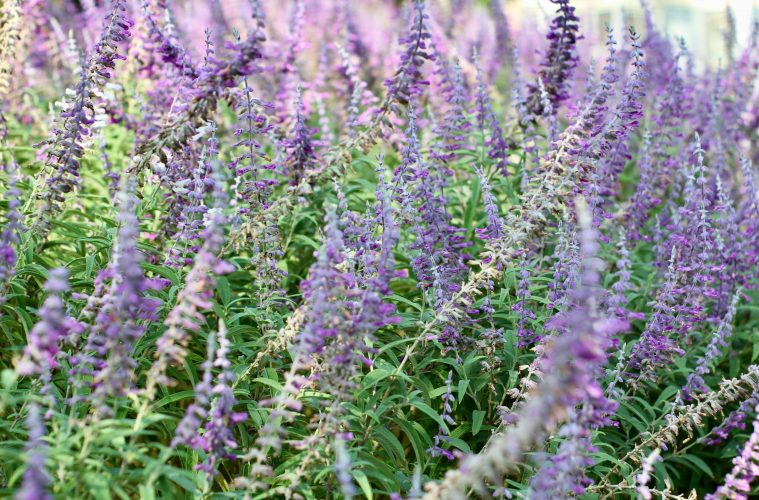
Salvias are tough, low-maintenance plants that can thrive in nearly any climate and possess remarkable water-saving abilities.
Best tips to follow
1. Choose the right salvia for your climate
Salvias come in various shapes and sizes, and their adaptability to different climates is sort of chameleon-like. Some varieties can brave low winter temperatures, sweltering summer heat and strong coastal winds, while others are more delicate. Be a savvy sage parent and choose the right type of salvia for your specific climate, allowing them to feel at home.
2. Provide plenty of sunshine
The salvia plants need sunshine to thrive well, so find them a prime spot where they can bask in at least 6 hours of sun each day. More sun means more sizzling blooms to enjoy
3. Prepare well-draining soil
For salvia’s ideal match, opt for sandy loam soil that is well-draining. Before planting, give your salvias a head start by preparing the soil with a generous dose of compost and bonemeal. This will provide them with the nutrients they need for healthy growth.
4. Feeding and mulching
Since salvias aren’t particularly demanding when it comes to feeding, but smaller, more compact plants can benefit from a slow-release fertiliser, an organic one, just after their spring flowers show. In autumn, add a layer of shredded leaves or wood chips as mulch around the base of the plants. This acts as a warm blanket, ensuring their survival during the winter months.
5. Watering Salvias
These plants are also drought-tolerant champions and can endure long periods without water. However, during scorching summers when the soil has completely dried out, they will appreciate a deep watering once or twice a week. Just remember to allow the soil to dry out between waterings to prevent overwatering.
6. Regular deadheading and pruning
Deadhead spent flowers regularly to give your salvias a mini makeover, keeping them looking fresh. After their flowering season is over, whether that’s late autumn or spring, give them a full makeover with a good prune. This will help maintain their shape, prevent them from growing too big and leggy, and promote healthier growth. A little trim before the winter slumber works wonders.
7. Resilient and attractive to wildlife
The plants are resilient against most pests and diseases, acting as real sun-sizzling heroes in your garden. They also attract beneficial insects such as bees, butterflies, and birds, transforming your garden into a sanctuary for wildlife.
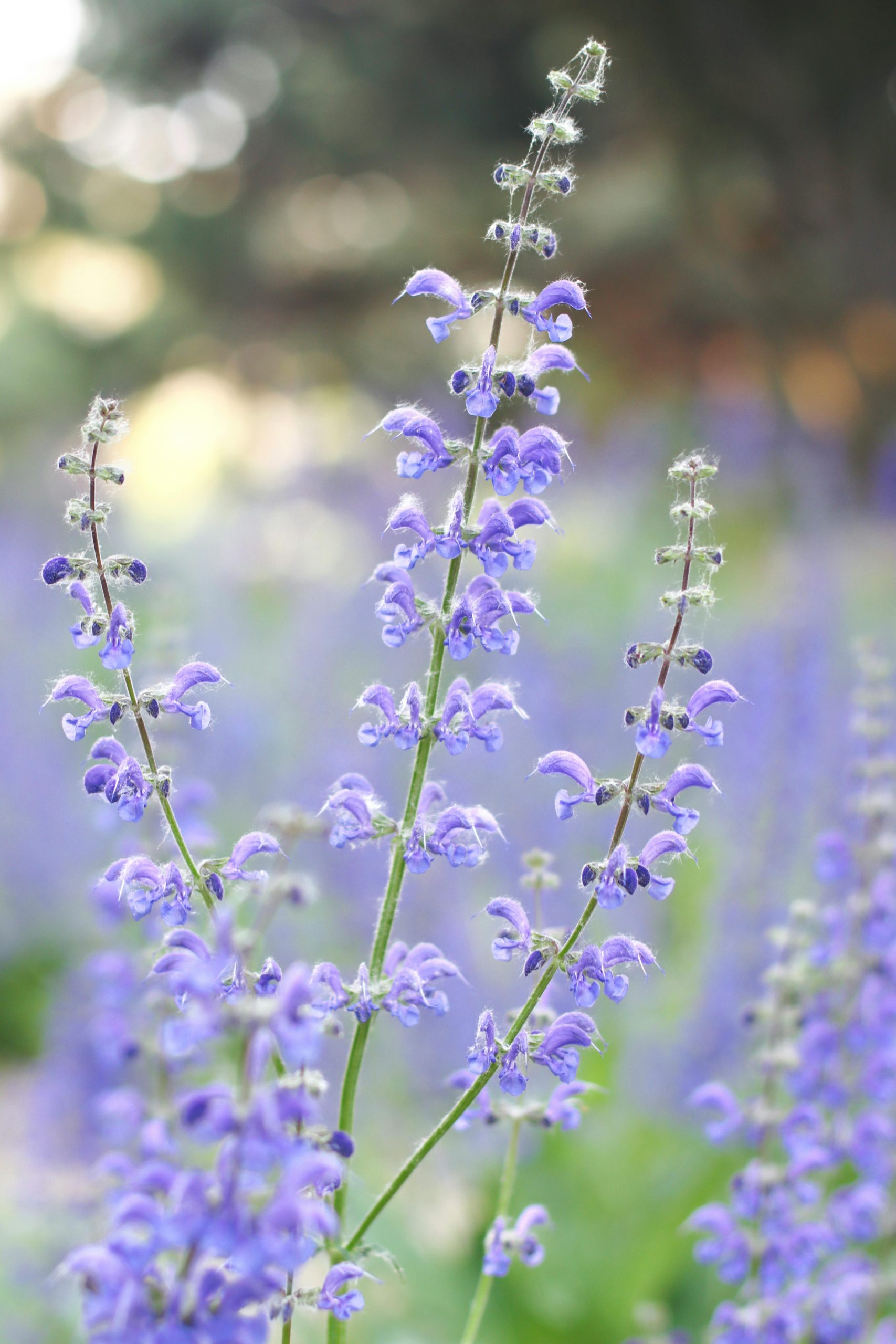
Image Credit: Pexels
ALSO SEE:
Feature Image: Pexels
