
 Jade Mcgee
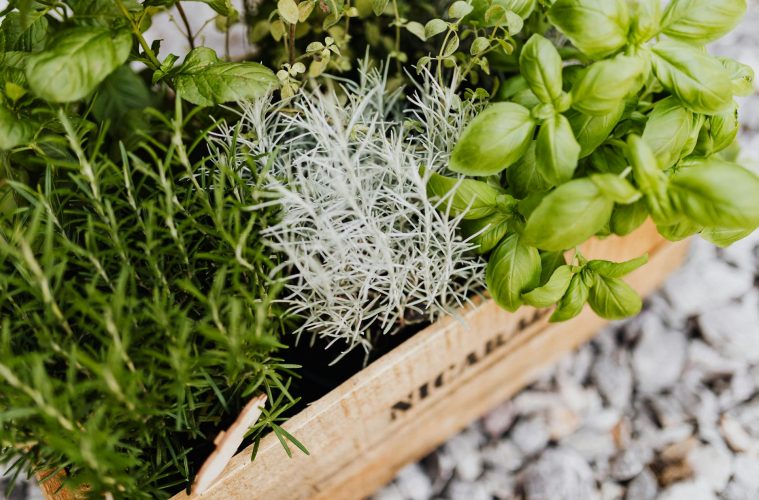
They’re inseparable in the kitchen — dried together in Herbes de Provence, tossed through roast vegetables, steeped in good olive oil. But when it comes to the garden, basil and rosemary are less natural companions than their culinary partnership might suggest. Plant them side by side without understanding their individual needs, and one or both is likely to suffer.
Where they agree
There is common ground. Both herbs are sun lovers, thriving in full sun — at least six hours of direct sunlight daily — and both require well-draining soil to stay healthy. Good airflow matters for each of them too. Overcrowded or damp conditions invite fungal problems: basil is susceptible to downy mildew, rosemary to powdery mildew, and both can fall victim to botrytis in humid conditions. Root rot is a shared risk in waterlogged soil.
So in a broad sense, they want similar growing environments. The trouble lies in the specifics.
Where they differ
The most significant incompatibility between basil and rosemary is water. Basil is a thirsty herb — it needs consistently moist soil throughout the growing season and will wilt quickly without regular watering. Rosemary, native to the sun-baked Mediterranean, is the opposite. It’s drought-tolerant, accustomed to hot, dry summers, and actively dislikes excess moisture. Overwatering rosemary risks root rot and, over time, a slow decline.
Soil fertility is another point of difference. Basil performs best in organically rich soil and benefits from fertilising at planting and again mid-season. Rosemary, by contrast, tolerates lean, sandier conditions and doesn’t need supplemental feeding. Plant them in the same bed, apply compost and fertiliser as you normally would for basil, and you may inadvertently push the rosemary into lush, soft growth that’s more vulnerable to disease.
There’s also a matter of scale. Rosemary is a perennial shrub in zones 8 to 11, and it grows considerably larger than basil over time. Its woody stems and spreading roots can eventually crowd a nearby basil plant, competing for sunlight, moisture and nutrients.
Growing them in the ground
If you want both herbs in the same vegetable bed, the practical solution is to give them distance. Plant rosemary and basil two or three rows apart, and manage their irrigation separately. Water the basil and other moisture-loving crops regularly, but skip the rosemary — it will look after itself in most South African growing conditions. The same applies to fertiliser: there’s no need to feed the rosemary if you’re enriching the bed for other crops.
In pots and raised beds
Container gardening makes it easier to manage each herb’s individual requirements. The simplest approach is to give rosemary its own pot, ideally alongside other drought-tolerant, sun-loving Mediterranean herbs like lavender, sage and thyme. These companions share its preference for dryish conditions and full sun, making irrigation and feeding straightforward.
Basil, with its higher water needs, pairs better with other thirsty plants. Edible flowers like calendula are natural companions in a pot. In a raised bed, position rosemary at the end of the bed — the north end keeps it from shading smaller plants, while a south-end placement can offer some protection to more heat-sensitive crops nearby.
Better companions for each
Companion planting with purpose can make a real difference to garden health. Rosemary’s aromatic oils make it a useful deterrent for a range of pests. Plant it near broccoli and cabbage to mask the scent that attracts cabbage moths and their larvae. Pair it with strawberries to deter slugs and potentially enhance fruit flavour. Carrots grown nearby also benefit from rosemary’s ability to confuse carrot rust flies — though since carrots need more water, they’re best positioned at the edge of rosemary’s irrigation zone.
Basil’s most celebrated garden partnership is with tomatoes. Not only do they thrive under similar conditions — warmth, full sun, consistent moisture — but basil may actively support tomato growth. Add African marigolds to this trio and you’ll likely see fewer thrips across the whole bed. Basil also makes a useful indicator plant: with its susceptibility to wilting and mildew, it tends to show signs of stress before other crops, giving you an early warning when something in the bed isn’t right. Other good basil companions include garlic, chives, oregano, parsley and lettuce.
The short answer
Basil and rosemary can coexist in the same garden, but they’re not natural companions. The differences in their water and soil requirements are significant enough to warrant some separation. Enjoy them together on your plate by all means — just give them the space they need in the garden to reach their best.
ALSO SEE:
Featured Image: Pexels
