
 Chumasande Matiwane
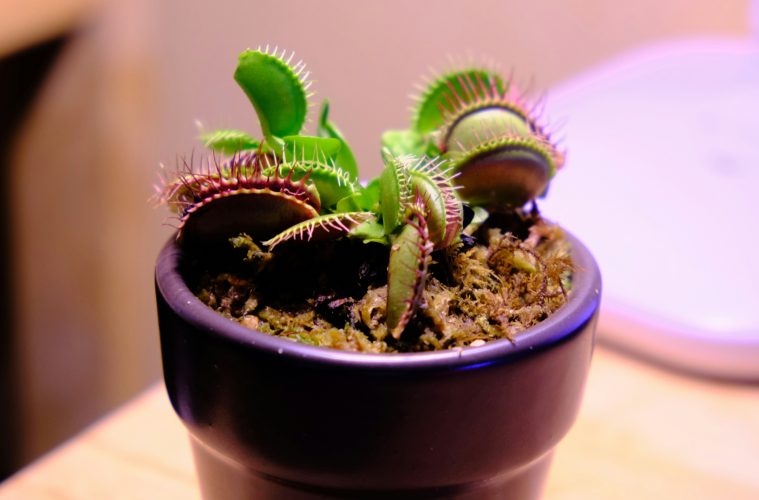
There is a close relationship between insects and carnivorous plants. Neither could exist without the other. They are the fascinating twist of nature, as they are part of the small number of plants that “eat” insects. The diet of these carnivorous plants includes mites, sowbugs, flies, etc.
But carnivorous plants don’t survive solely by “eating” insects and other prey. Just like all green plants, they contain chlorophyll and manufacture food via photosynthesis. So giving them the right care is essential for their development. They are easy to grow and take care of; if you follow a few simple rules, they will thrive.
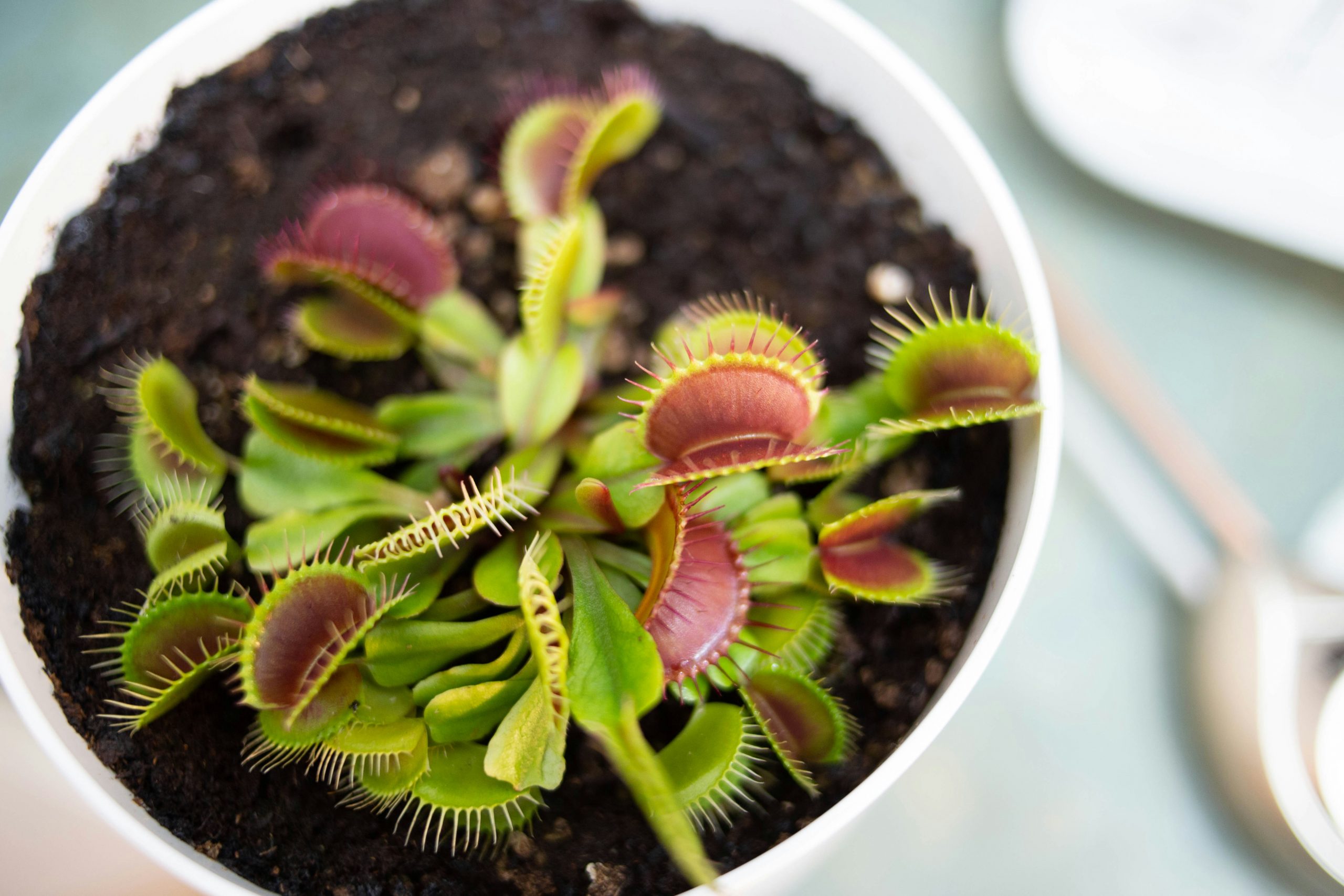
Image Credit: Unsplash
Caring for carnivorous plants
Before you even get started, it is key to understand that these plants are native to the tropical rainforests and relatively easy to keep thriving for years to come if you follow the few simple rules.
To grow and care for healthy carnivorous plants, it is important to duplicate their habitat as closely as possible. Care for their soil by keeping it wet or at least damp all of the time.
The easiest way to do this is to use the tray method. Set the pots in a tray or saucer, and keep water in it at all times. Pitcher carnivorous plants can grow in soggy soil with the water level in the saucer as deep or high, but other varieties prefer damp to wet soil. The tray method is a better watering method than watering the plant from above. When watered from above, the plant may develop sticky muscilage sundews and butterworts.
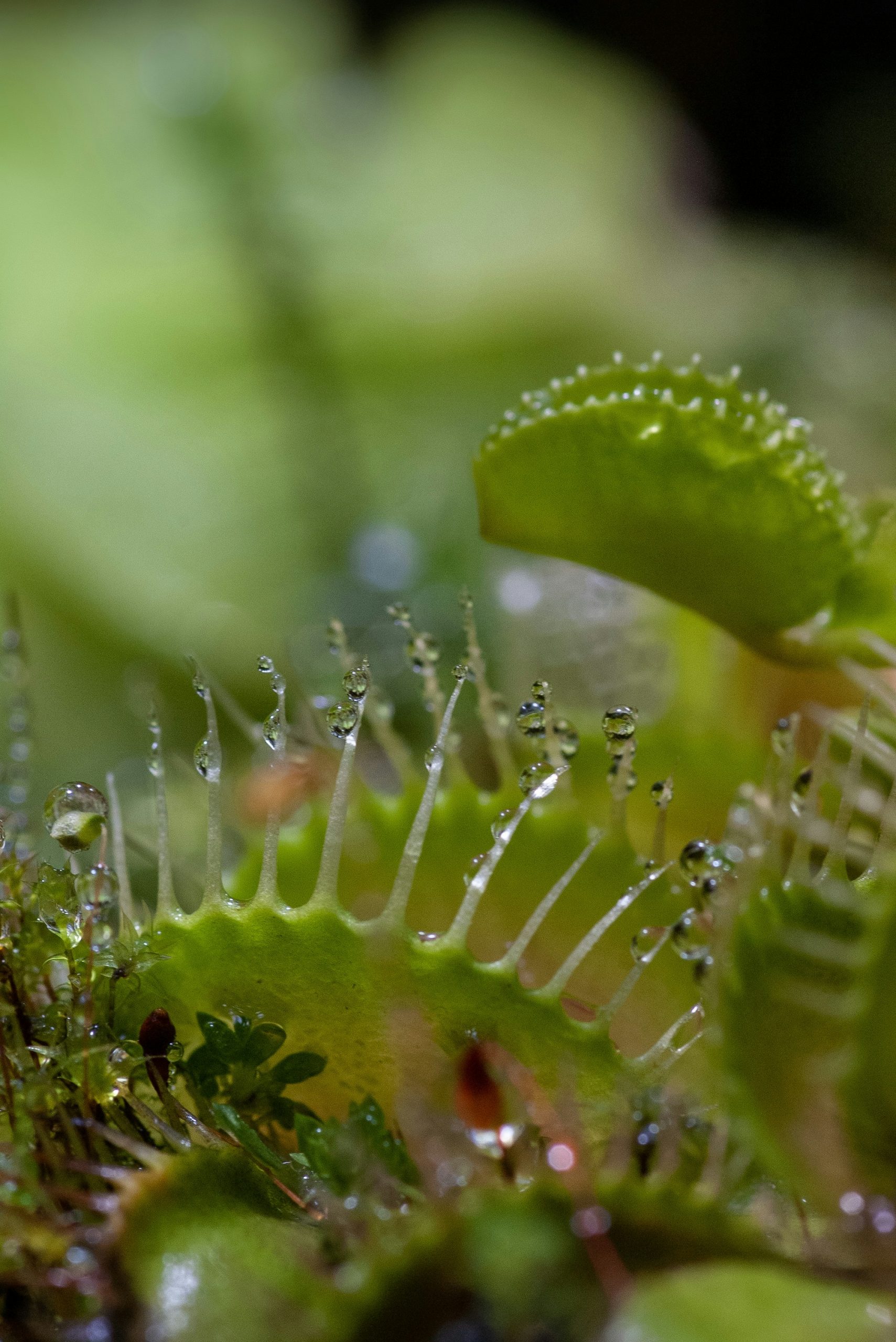
Image Credit: Unsplash
The nutrient-poor soils to which the carnivorous plants have adapted are often rich in peat and sand; these plants can thrive in that. But this can be duplicated with a soil mixture of sphagnum peat moss and horticultural sand. But just be sure to check the peat label for sphagnum moss. Never use beach sand, as the salt content will harm your carnivorous plants.
Lots of light is what these carnivorous plants need, and they generally grow best in sunny conditions. Although many of them do well in partial sun. Full sun brings out the red pigmentation of most carnivorous plants. Many carnivorous plants grow well outdoors or indoors in a bright, sunny spot. Any windowsill will suffice, but you can also introduce artificial lighting. Fluorescent tubes designed for plant growth work better than plain normal bulbs.
Always keep in mind that carnivorous plants are generally tolerant of temperature, and it can be varied somewhat without harmful results. But for the best results, keep the plants within their optimum temperature range; room temperature is fine.
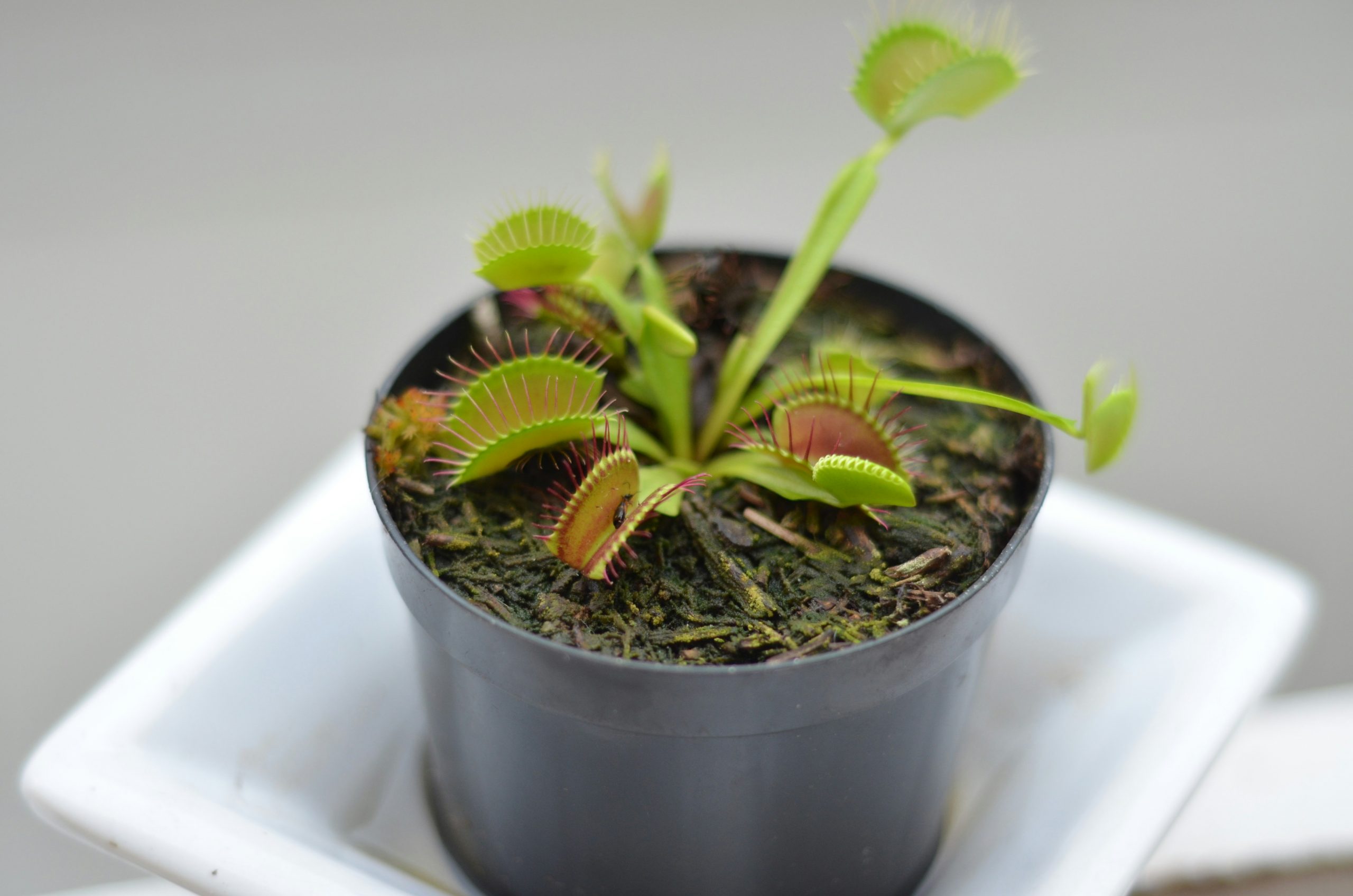
Image Credit: Unsplash
ALSO SEE:
Feature Image: Unsplash
