

 Maegan-Leigh Jacobs
April in the garden is a gentle in-between – that soft exhale after summer’s showiness and just before winter tucks everything in. The light shifts, mornings carry a slight chill, and suddenly your garden asks for a different kind of attention. It’s less about bold blooms and more about quiet preparation: feeding, planting, tidying, and setting the stage for the seasons ahead.
Think of this month as your garden’s reset button – a chance to nurture what’s already growing while planting the promise of what’s to come. From boosting citrus trees for a fruitful season to tucking spring bulbs into cool soil, April’s to-do list is all about working with nature’s rhythm (and maybe getting your hands just a little dirty along the way).
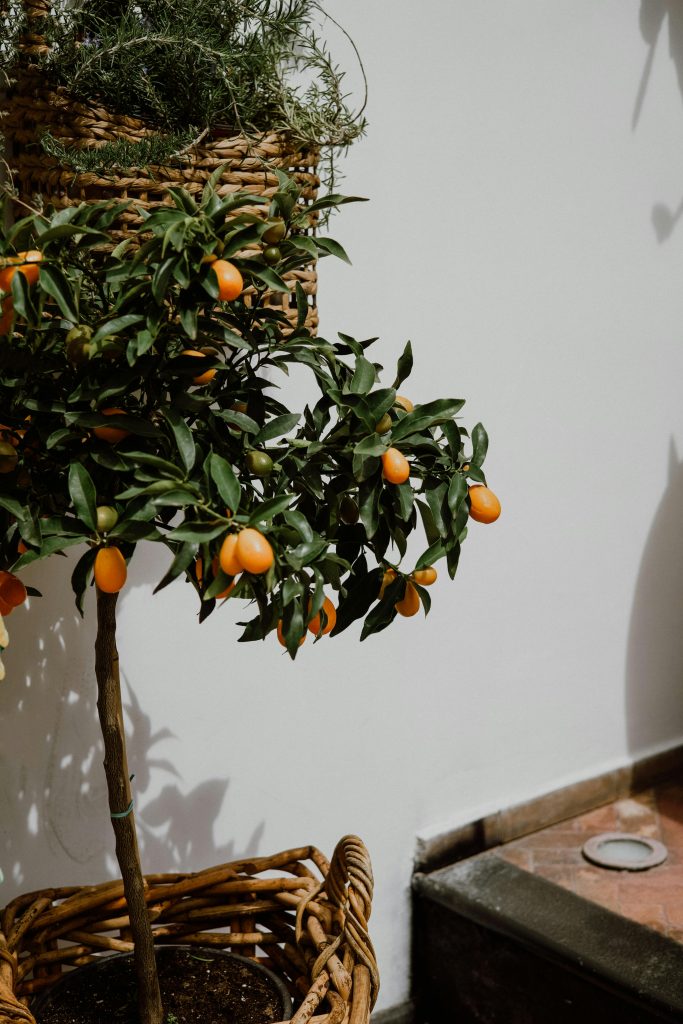
Feed citrus
April is the perfect time to nourish your citrus trees, bolstering their strength and maximizing fruit production. Proper feeding ensures that your trees have the necessary nutrients to support fruit development, maintain leaf growth, and improve overall vitality, giving you a mountain of delicious fruits in the months to come.
You should opt for fertilizers specifically designed for citrus that are slightly higher in nitrogen and also include micronutrients such as magnesium, iron, and zinc. Apply the fertilizer around your tree’s drip line to ensure the nutrients are well absorbed where the roots extend to.
Pexels
Plant Spring bulbs
If you purchased your spring bulbs last month, April is an ideal time to start planting. Planting now allows the bulbs to establish roots in cooler, moist soil before winter sets in. This period is necessary to stimulate spring growth, so it’s vital not to plant too early or too late. Popular choices include tulips, daffodils, hyacinths, and irises.
Planting tips:
Soil prep: Start with well-draining soil to prevent bulb rot. If your soil is heavy, incorporate some sand and compost to improve drainage.
Depth and spacing: Plant bulbs at a depth of two to three times their height, and space them about twice the bulb’s width apart – the instructions should be on the packaging. This spacing allows for adequate growth and prevents overcrowding. In containers, plant slightly closer together.
Positioning: Plant bulbs with the pointed end up. This is the end from which the shoot will grow.
Watering: After planting, give your bulbs a good watering to settle the soil around them. Avoid overwatering, as too much moisture can lead to bulb rot.
Propagate shrubs
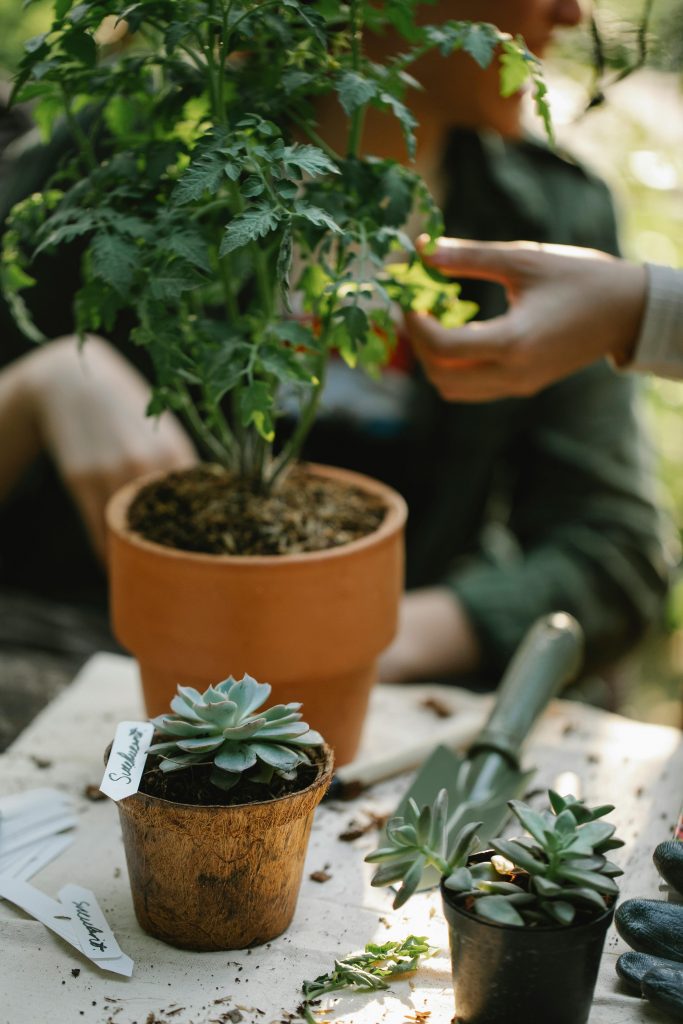
You can still propagate woody shrubs in April, such as hibiscus and abelia, from cuttings. Whether you want to propagate to move the plant to another part of your garden or increase your stock for thinks like hedging, the process is relatively simple. To propagate, select healthy new growth from your shrub – a segment around 15cm long. Make a clean cut just below a leaf node and strip the cutting of any leaves on the lower half. Dip the cut end in rooting hormone to encourage root growth (this is essential for quick root growth in woody cuttings).
Plant the cutting in a pot filled with a mix of perlite or sand and coconut coir, which ensures good drainage and aeration. Water the cutting well and cover it with a plastic bag to maintain humidity, mimicking the moist environment cuttings need to root successfully.
Keep the soil moist but not waterlogged, and place the pot in a warm, shaded spot until roots develop, which usually takes a few weeks. Once the cuttings have rooted, they can be transplanted into individual pots with regular potting soil and eventually moved to their permanent spots in the garden.
Pexels
Maintaining water features
Whether you have a pond, fountain, or birdbath, all water features need annual attention to ensure they are clean and functioning correctly. This is particularly important for features that attract wildlife, as they need clean water sources. Start by removing any debris, such as fallen leaves or twigs, to prevent clogging and maintain water clarity. Check and clean pumps and filters, replacing any components if needed.
For ponds, consider adjusting the water level if necessary and inspecting aquatic plants, trimming back any that are overgrown or removing those that are dying back. Clean the sides of your water feature to remove any algae buildup to keep the water healthy and enhance the aesthetic appeal of your garden.
Plant Petunias
To infuse your garden with a burst of color during the cooler months, plant petunias. These flowers are renowned for their wide range of colors, easy care, and ability to bloom profusely, making them an ideal addition to both garden beds and containers. These flowers thrive in full sunlight, requiring at least six hours of direct light daily to produce an abundance of blooms. Prepare the soil by incorporating compost or using a high-quality potting mix in containers.
When planting, space petunias about 30cm apart to allow for ample air circulation and prevent overcrowding, which can lead to fungal diseases. Water thoroughly after planting and maintain a consistent watering schedule, keeping the soil moist but not waterlogged. Applying a balanced, slow-release fertilizer at the time of planting will provide the necessary nutrients for sustained growth and blooming. Later on, deadheading spent flowers regularly will encourage petunias to produce new blooms, extending the flowering season.
Plant and sow
- Poppy
- Primula
- Snapdragon
- Dianthus
- Aquilegia
ALSO SEE: TIPS ON USING COLOUR COMBINATIONS IN YOUR GARDEN
