
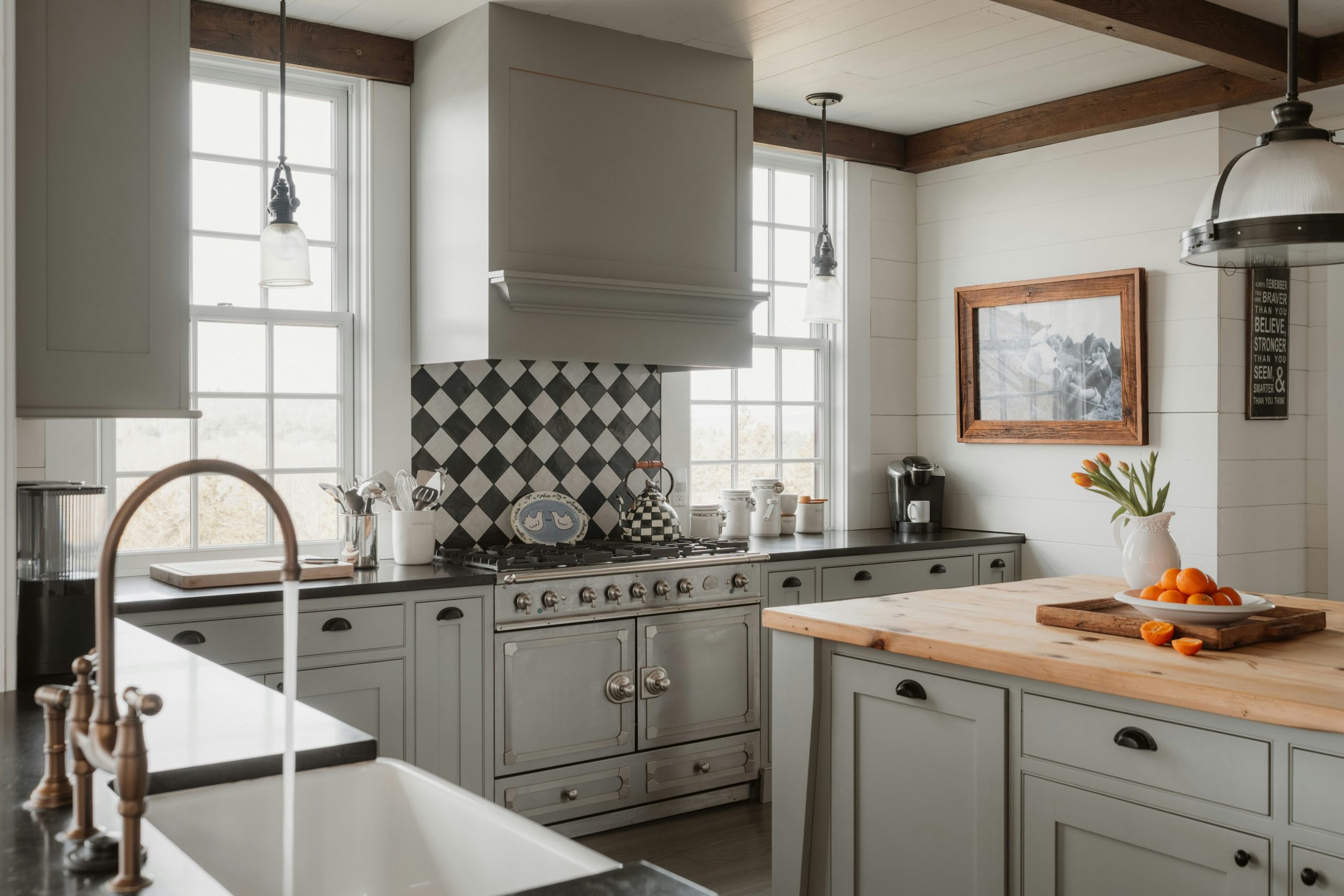
 Maegan-Leigh Jacobs
Kitchens in 2026 are less about chasing the latest look and more about making everyday life easier. Homeowners are thinking long-term, choosing updates that work harder, last longer and still feel good to live in.
According to a recent Houzz kitchen trends study, functionality is now driving most renovation decisions. The platform surveyed thousands of homeowners planning or completing kitchen upgrades and found that frustration with outdated layouts and worn finishes remains the biggest reason for renovating, closely followed by spaces that no longer work the way they should.
Read more: Enhance Your Kitchen’s Value with These 7 Clever Techniques
Design preferences are also settling into a comfortable middle ground. Transitional kitchens, which blend classic and contemporary elements, continue to lead, with modern and traditional styles following closely behind. The message is clear: people want kitchens that feel timeless, not trend-heavy.
Here’s what’s shaping kitchens in 2026, according to industry experts and renovation data:
Built-in features take centre stage
Built-in elements are becoming standard rather than special extras. Pantry cupboards top the list, with many homeowners adding dedicated storage to reduce clutter and improve flow. Beverage stations are also on the rise, creating a practical spot for coffee, kettles and glassware without crowding main work areas.
Breakfast nooks, banquette seating and integrated wine fridges are also appearing more often, especially in homes where the kitchen doubles as a social space.
Butler’s pantries make a quiet comeback
Once considered a luxury, butler’s pantries are now a smart solution for busy households. According to Houzz, homeowners are adding them mainly to hide mess and increase storage. Most include appliance garages, prep counters and closed cabinetry, keeping the main kitchen calm and uncluttered.
Designers say these spaces are especially useful in open-plan homes, where everything is on display.
Cabinets get smarter, not louder
Cabinet upgrades remain one of the most common renovation priorities. Many homeowners are replacing all their cupboards, while others are updating only what’s needed.
What’s changing is what’s inside. Pull-out bins, spice drawers, tray storage and deep organisers are now expected, not optional. Corner solutions and sliding shelves are also helping to make awkward spaces easier to use.
Wood tones over stark white
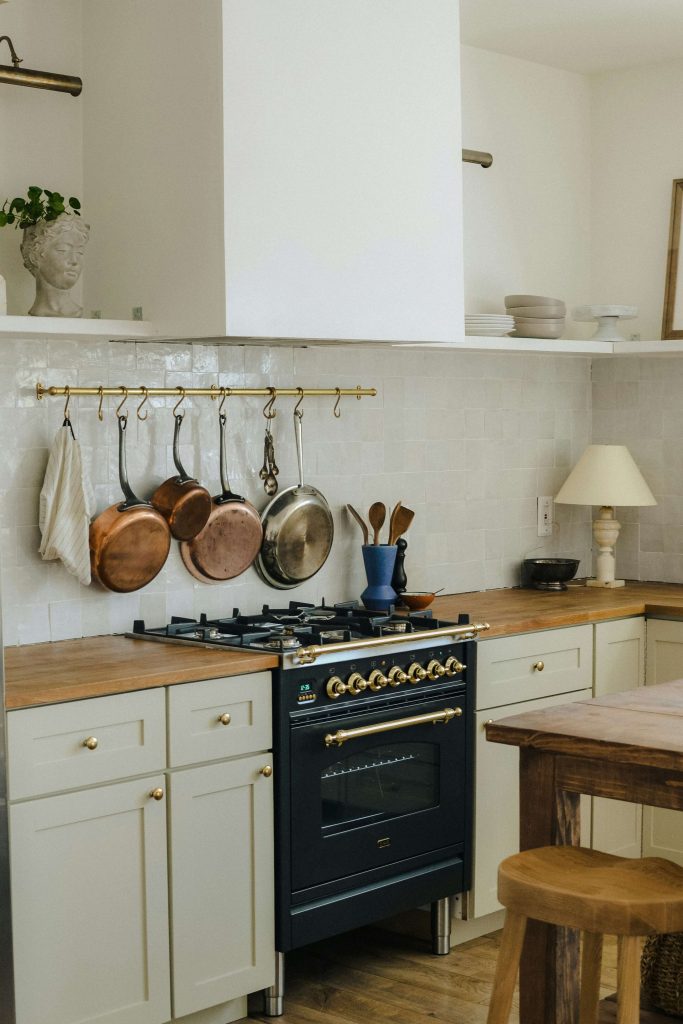
Wood has officially taken the lead as the most popular cabinet finish, edging past white. Medium wood tones are the favourite, offering warmth without feeling heavy. Lighter woods follow closely, while darker finishes remain a niche choice.
Soft off-whites and muted greens are also gaining traction, while grey continues to fade. The overall palette is warmer and more natural, reflecting a shift towards comfort.
Pexels
Hardware stays simple
Most homeowners are sticking with handled cabinetry, with clean bar pulls leading the way. Brushed metallic finishes remain popular, alongside matte black and softer gold tones. The look is understated and practical rather than decorative.
Backsplashes go bigger
Tiles still dominate kitchen backsplashes, but slab surfaces are becoming more common. Designers note that full-height slabs create a seamless look and are easier to clean, making them appealing for busy kitchens.
Ceramic tiles remain a firm favourite, while engineered stone slabs are being used to tie counters and walls together visually.
Neutral floors and walls still win
Despite small colour shifts, neutral kitchens aren’t going anywhere. Off-white walls remain the top choice, paired with wood-look or natural timber flooring. These finishes offer flexibility and age well, which matters to homeowners planning to stay put.
Appliances with purpose
Smart appliances are being chosen for convenience rather than novelty. Fridges with flexible temperature zones and maintenance alerts are popular, as are ovens with precise controls and safety features. Remote access is a bonus, but reliability remains key.
Bigger, simpler islands
Kitchen islands continue to grow, both in size and importance. Rectangular islands dominate, often stretching beyond two metres to allow for seating, prep and storage in one place. Most homes stick to a single island, keeping layouts open and easy to navigate.
As designers point out, the 2026 kitchen isn’t about impressing guests – it’s about supporting daily life. Thoughtful layouts, durable finishes and clever storage are setting the tone for renovations that feel relevant now and well into the future.
ALSO SEE: HOW TO ACHIEVE THE MODERN WHITE AND WOOD KITCHEN LOOK
