
 Chumasande Matiwane
Healthy soil is an important part of growing plants that thrive. Poor soil quality in your garden can lead to root growth problems and plant establishment issues, including drowned roots and increased acidity. In winter, it’s especially important to care for your garden soil. While you can address issues with amendments like compost and perlite, another effective and attractive solution is to grow more plants. Many beautiful plant varieties can enhance soil quality.
Plants to plant
Just because it’s winter, your garden doesn’t have to be barren or boring. With the right crops and quality seeds, you can keep your garden productive through the colder months.
Carrots
Carrots love cold soil. In fact, winter chills can help develop their sweetness. Just sow your carrot seeds directly into loose, sandy soil and keep them evenly moist. Within a few weeks, you’ll have strong seedlings growing, and by mid to late winter, you’ll be harvesting crisp, delicious roots.
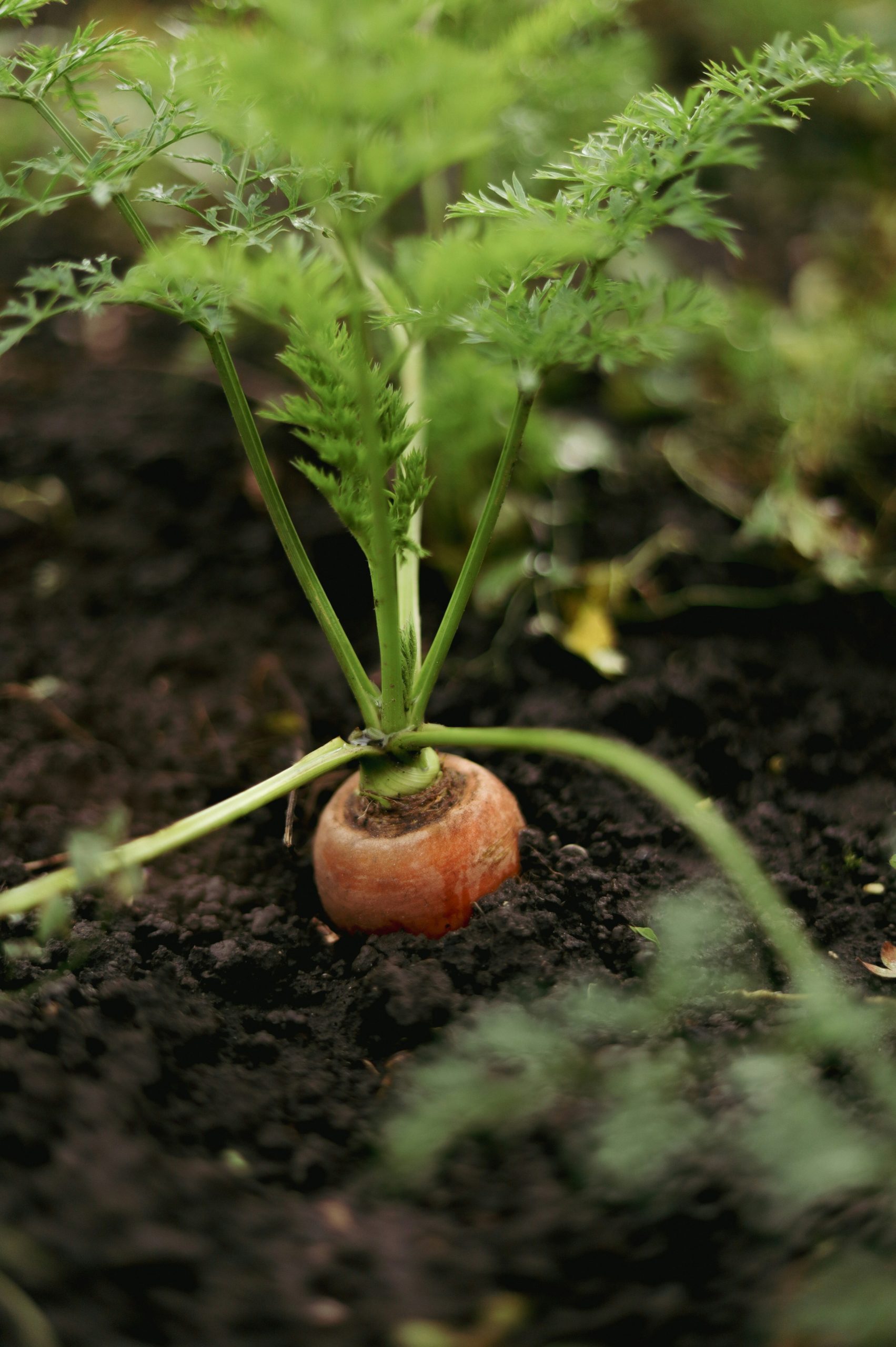
Image Credit: Unsplash
Partridge Pea
This legume is easy to grow, provided you offer a cleanly prepared seedbed. It fails to compete with perennial plants. Growing very well in the summer heat and in average-to-dry soils.
In winter, these plants are nitrogen fixers as gardeners frequently use them in areas where erosion control is critical. It holds the soil, and its attractive appearance adds beauty valued by everyone.
Buckwheat
A familiar green manure that prefers loose, moist soil, buckwheat is perfect for autumn-winter planting and known as an excellent soil conditioner. The plant rapidly establishes itself with a tight canopy, allowing it to shade out and suppress weeds, a fine attribute to have.
An annual and member of the infrequently seen Rhubarb family, buckwheat produces plant root exudates, which will improve the soil’s biological diversity.
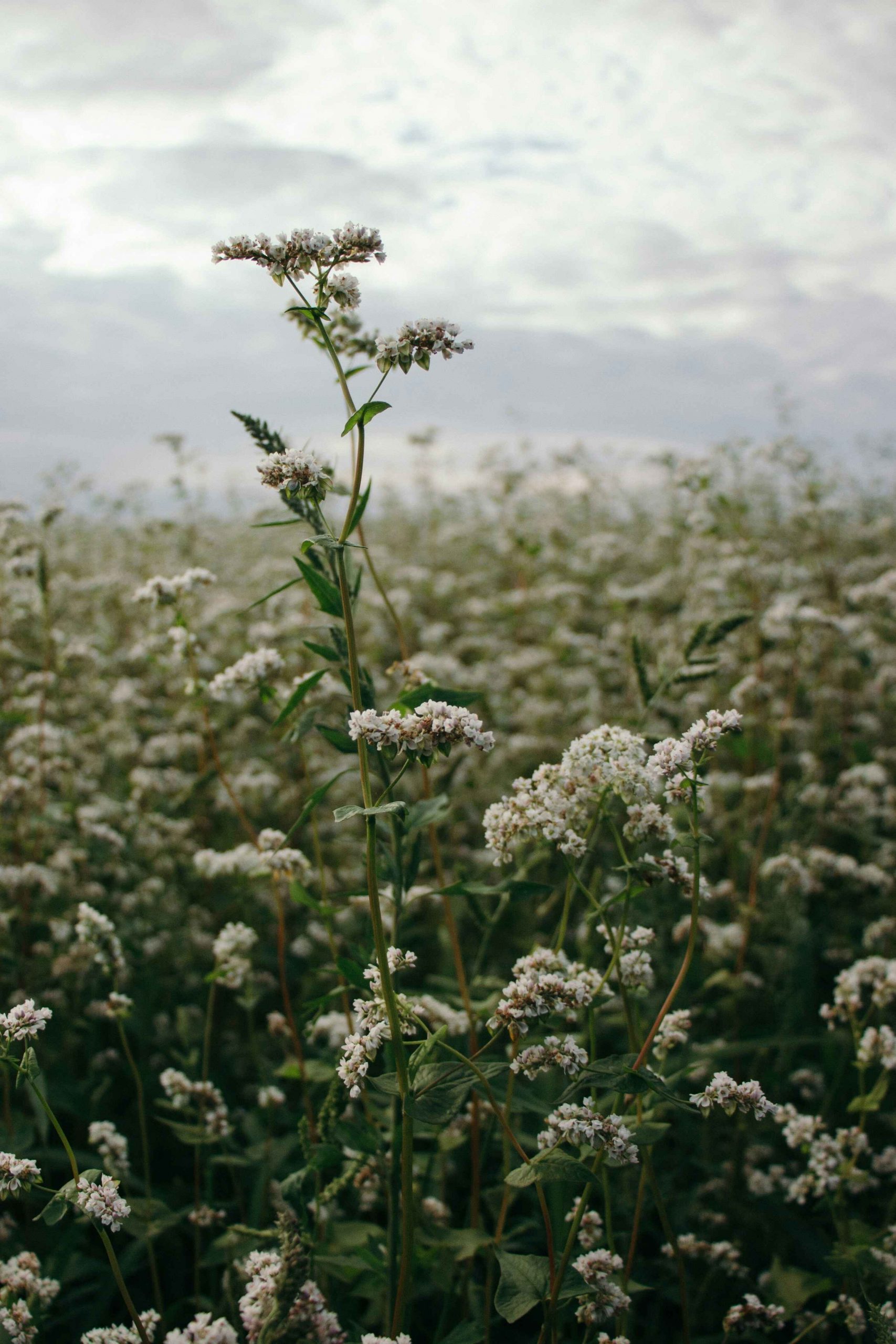
Image Credit: Unsplash
Borage
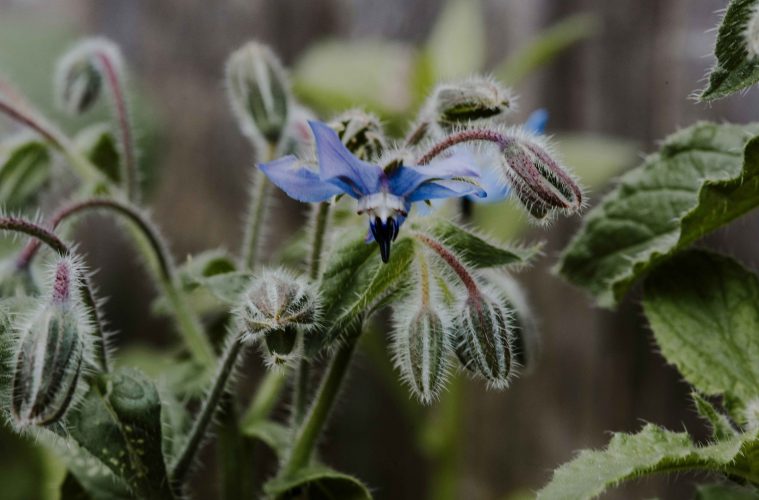
Borage plants are blue, star-shaped flowers that show off throughout the warmer season. It’s reliably drought-resistant and doesn’t mind poor soil.
It self-seeds, so you don’t usually need to buy new plants or seeds every year. Borage has thick roots that help aerate the soil, and when the plant dies at the end of the season, its roots break down, providing organic matter to the soil.
ALSO SEE:
Feature Image: Unsplash
