
 Chumasande Matiwane
When autumn arrives, the garden abounds with tasks and to-dos to accomplish before winter. One important thing to add to your list is cutting back your perennials, which protects them from pests and diseases during winter.
Autumn is a pivotal season for gardeners looking to prepare their plants for the colder months ahead. Pruning during this time not only tidies up the garden but also encourages healthy growth and flowering in the following spring.
Chives
Chives produce purple spherical blossoms that bring delightful cheer to the spring garden and attract pollinators. Just cut the chive plants back during the growing season to encourage a fresh round of growth and to give them a healthy start next spring.
Ornamental grasses
Even though they aren’t technically shrubs, large clumps of ornamental grasses serve similar functions to shrubs in the garden landscape, such as providing structure, sculptural form, shade, and wildlife habitat. They can also provide winter interest, especially if they have showy seed-heads.
Though sculptural and beautiful, some ornamental grasses may reseed aggressively. To prevent these aggressive seed heads from reseeding, you need to do a preliminary light prune by trimming off the tops in autumn.
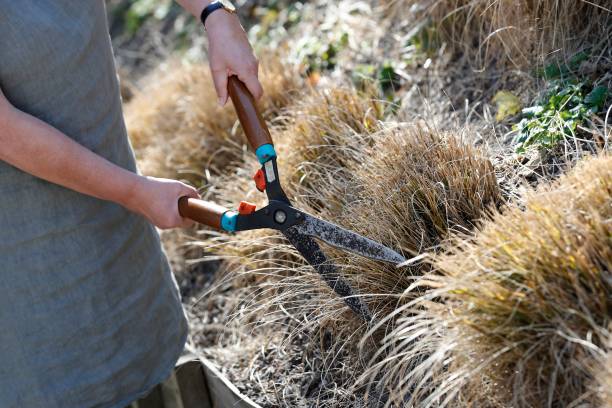
Image Credit: Gettys
Gardenia
Loved for its deliciously fragrant flowers, the gardenia plant is a tropical evergreen shrub with glossy leaves that are a favourite for Southern gardens.
The prolific blooms in summer start to fade as autumn arrives. This is the time to remove spent blooms and to gently shape the shrub by removing any damaged or leggy branches.
Bee balm
To attract wildlife pollinators and create a stunning flower display in your garden, when the season allows, you cannot miss with bee balm. When the days grow short and the first frosts take down bee balm leaves, you need to cut back all of the spent plants to prevent them from becoming a breeding ground for powdery mildew during the winter months.
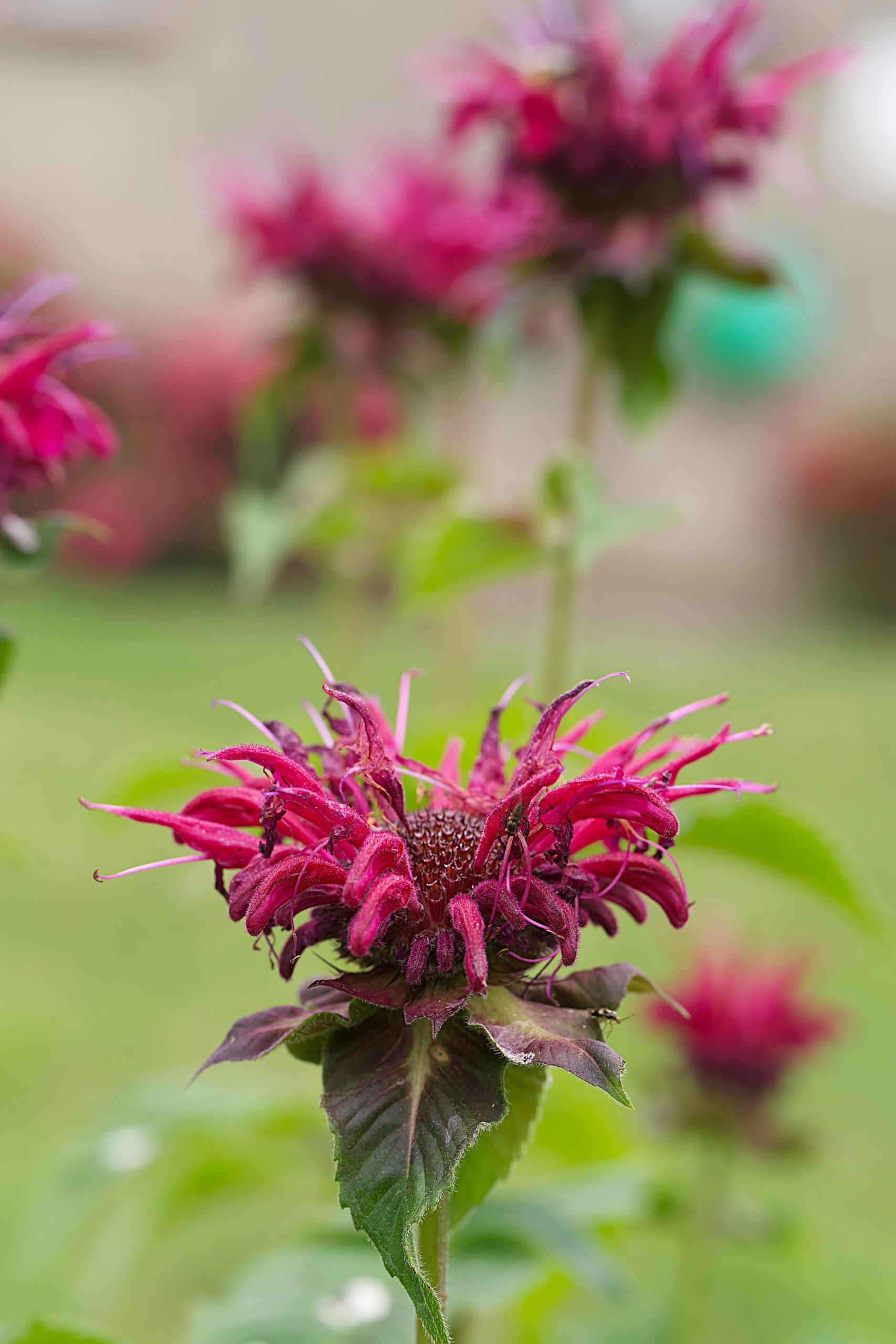
Image Credit: Pexels
ALSO SEE:
Feature Image: Unsplash
