
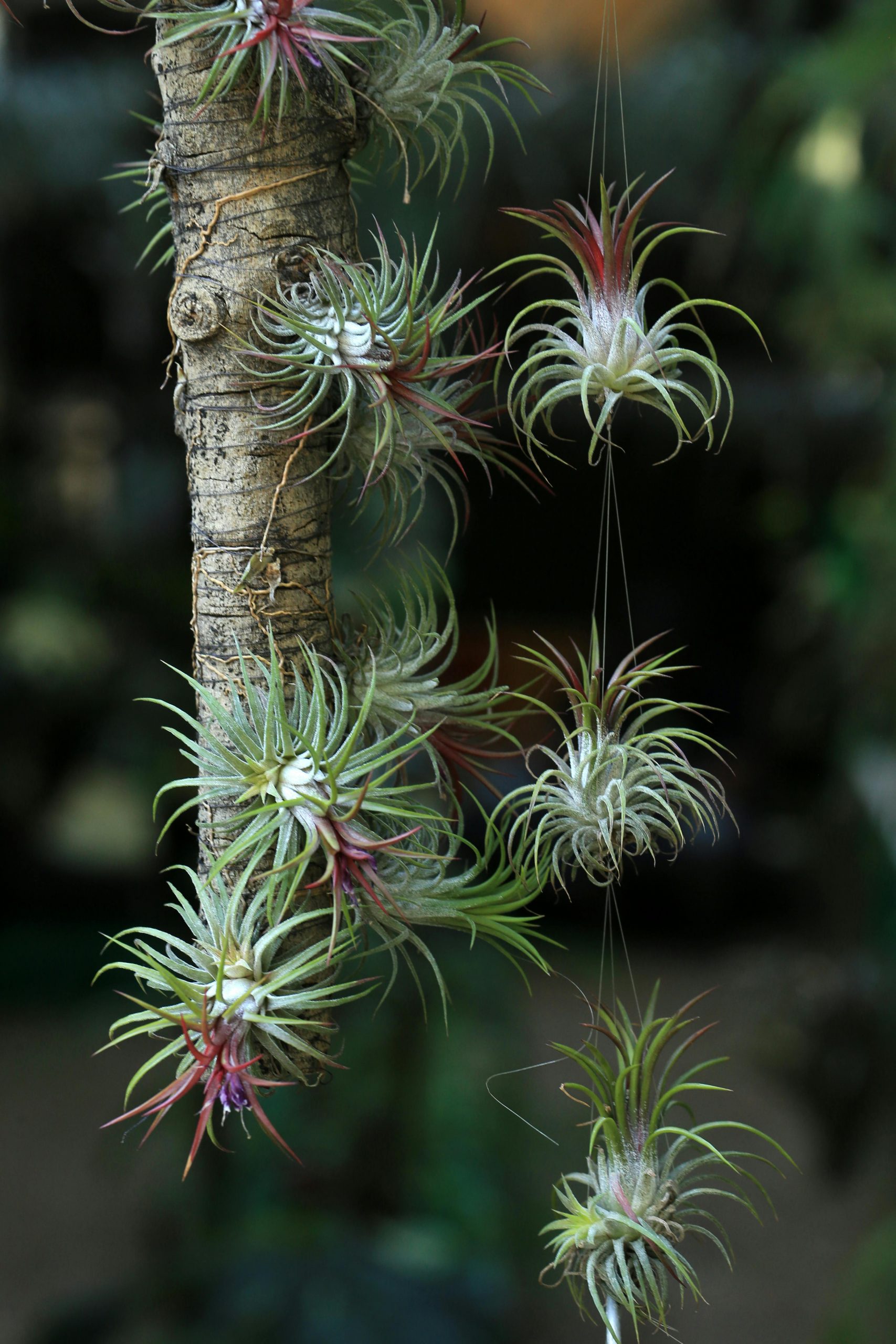
 Maegan-Leigh Jacobs
They don’t sit in soil, they don’t play by the usual rules – and yet, air plants still manage to steal the spotlight.
If you’ve ever brought one home thinking it’s a “set it and forget it” kind of plant, consider this your gentle reality check. These floaty little wonders have their own rhythm, and once you get it right, they’re surprisingly easy to keep happy.
So, how do you actually water an air plant?
Forget the spray bottle. The secret is a good, proper soak.
Once a week (or every 7 – 10 days), submerge your air plant in a bowl of water for about 15 to 30 minutes. Think of it as their version of a long, lazy bath. This allows the plant to absorb enough moisture through its leaves -because, remember, there are no roots in soil doing the work here.
Once time’s up, give it a gentle shake to remove excess water, then place it upside down on a towel. This step matters more than you think. Letting your plant dry completely – upside down – prevents water from settling at the base, which is where rot loves to start.
Only once it’s fully dry should it go back to its display spot, whether that’s a glass globe, driftwood perch, or a sunny shelf.
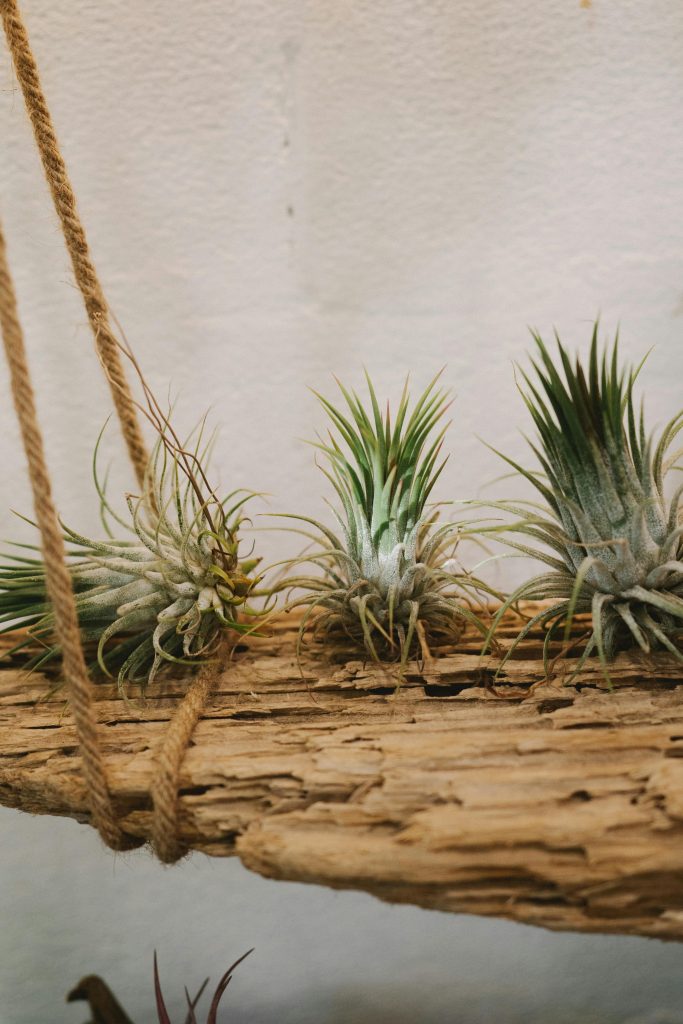
Pexels
How often is “enough”?
There’s no one-size-fits-all schedule. Your home’s environment plays a big role.
If your space is dry (hello, heaters and aircon), your plant might need more frequent watering. In more humid areas – like kitchens or bathrooms – you can stretch things out a little longer.
A quick visual check helps too:
- Silvery, slightly fuzzy-looking plants? They store water better and need less frequent soaking.
- Greener, glossier varieties? They dry out faster and appreciate a bit more attention.
The mistakes that quietly ruin everything
Air plants are low-fuss – but they’re not no-fuss. A few common missteps can send them downhill fast.
Misting instead of soaking
A light spritz might feel like you’re doing something, but it’s not nearly enough. Air plants need a deep drink, not a quick refresh.
Too much water, too often
More isn’t better here. Overwatering leads to dark, mushy leaves and eventual collapse. If your plant feels soggy more often than dry, dial it back.
Not enough light
Water and light go hand in hand. Without enough bright, indirect light, your plant can’t properly use the moisture it absorbs – leading to rot. It’s a balancing act.
Letting them stay wet
Skipping the drying step is one of the quickest ways to lose an air plant. Always dry them thoroughly, and always upside down.
Forgetting them altogether
On the flip side, neglect shows up as brown, crispy, curled leaves. If they look thirsty, they probably are.
Air plants may be a little unconventional, but that’s part of their charm. Once you swap guesswork for a simple routine – soak, shake, dry, repeat – you’ll find they’re far less mysterious than they seem.
ALSO SEE: TOP AIR PLANTS TO CONSIDER
